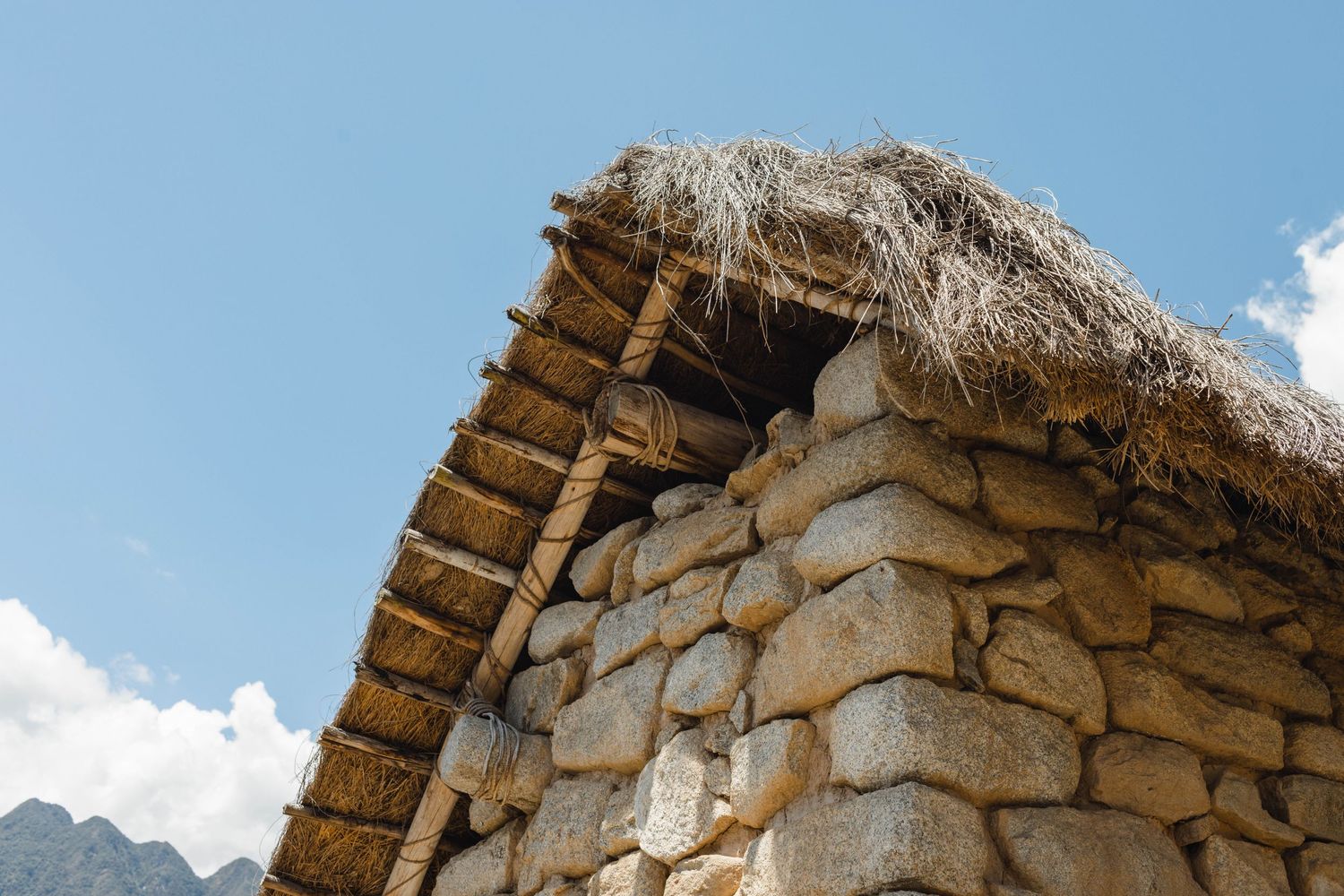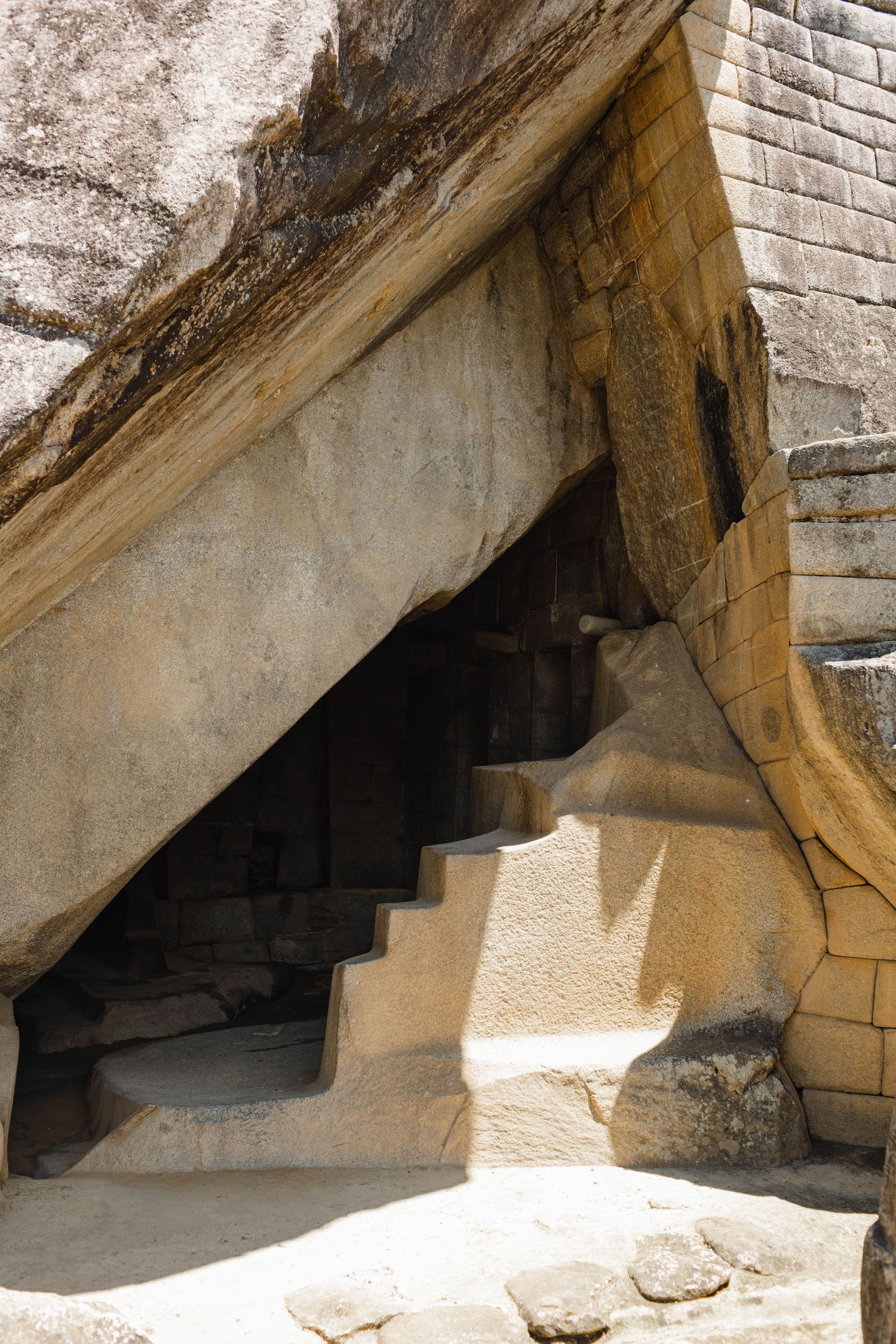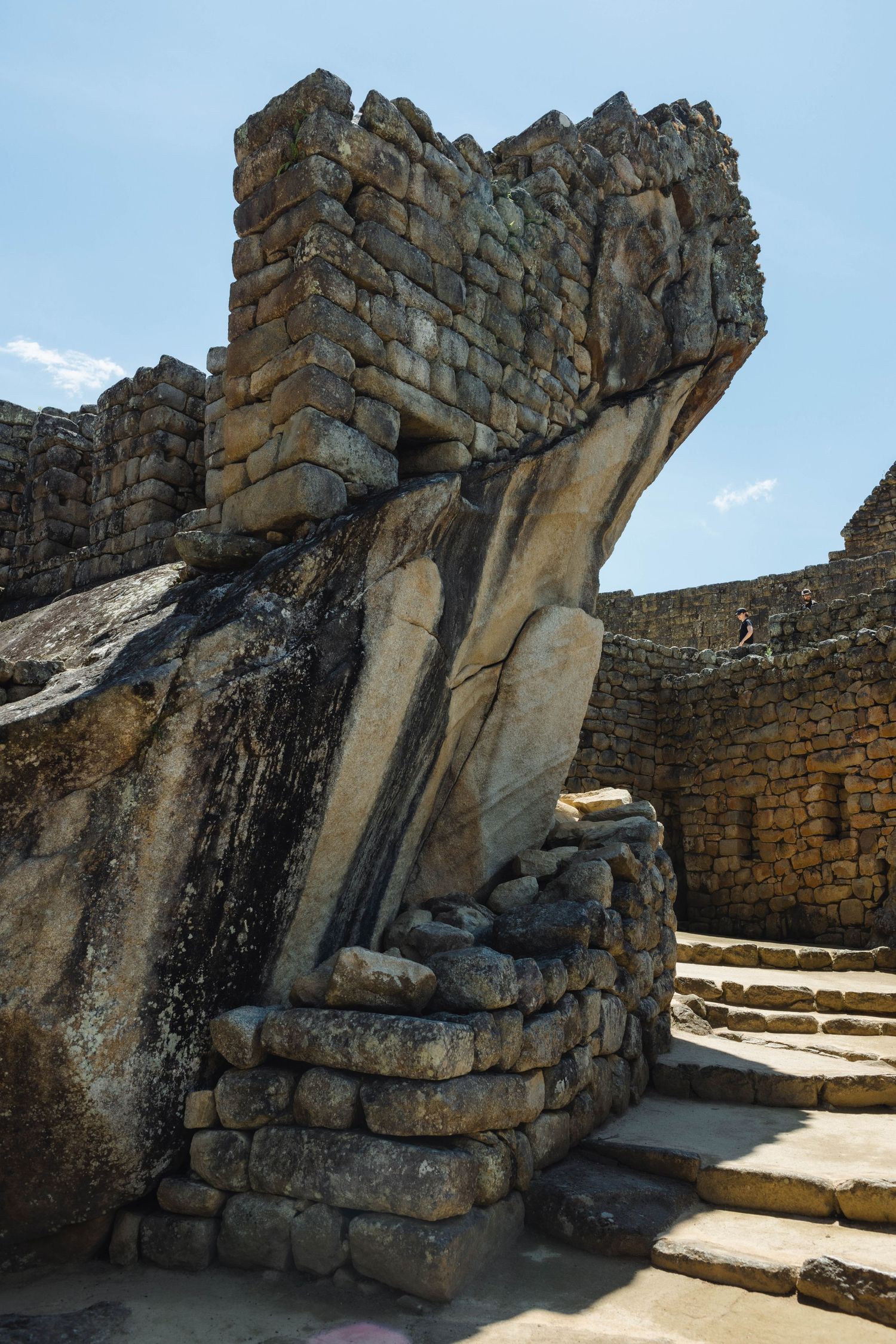
Where time stood still
10 Days. 8 flights. 2 trains. 2 buses. A boat.
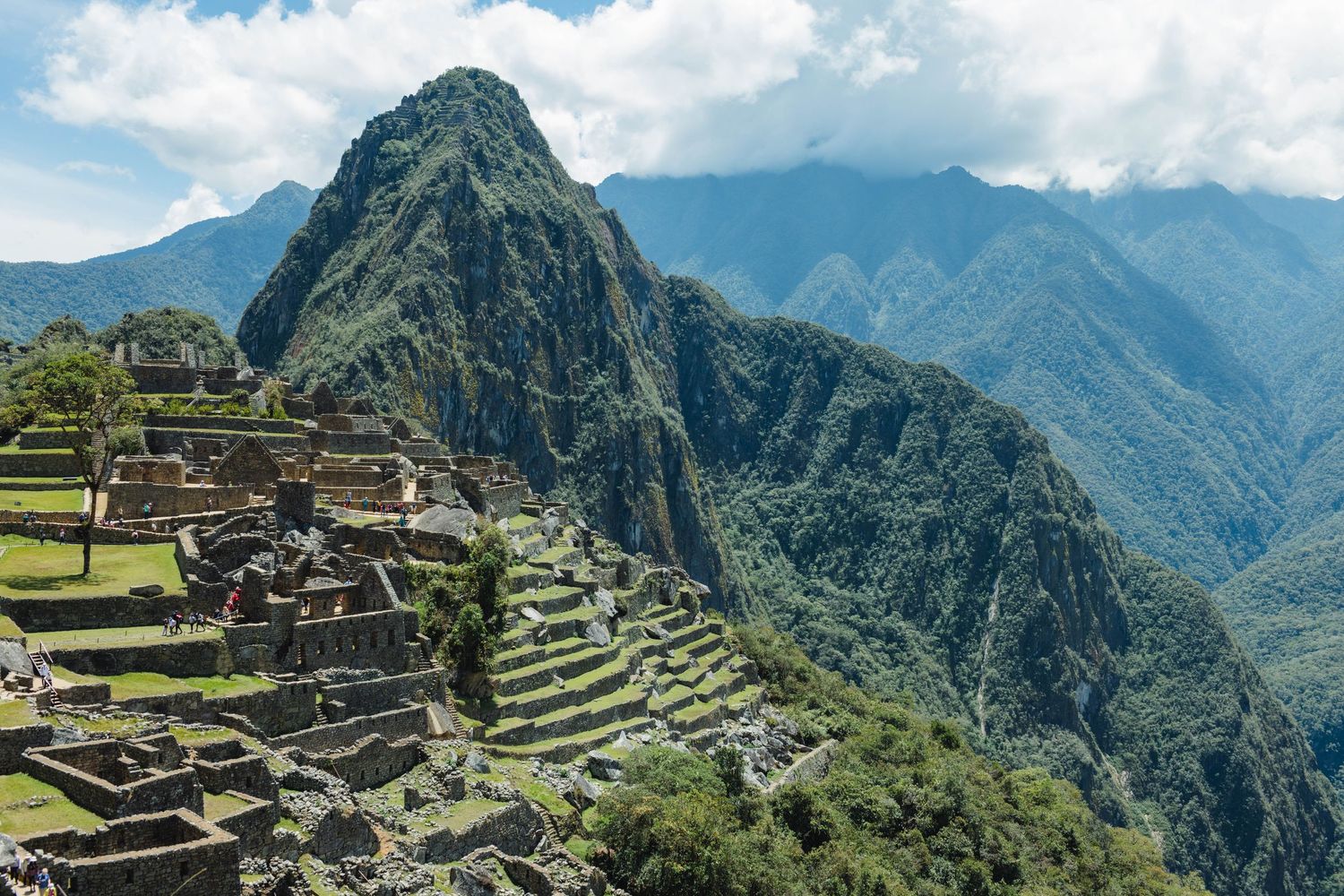
To be fully present while trying to capture all of the magic of Peru would have made me a wizard. But I aspire.
During the hour bus ride from the airport to Iquitos, edges of forests flattened into the distance. Life stories of the trees reduced to an imprint onto their graves. Political billboards sprouted up like weeds from the fertile soil. Witnessing the effects of capitalism on the environment in real time, mile after mile, was devastating.
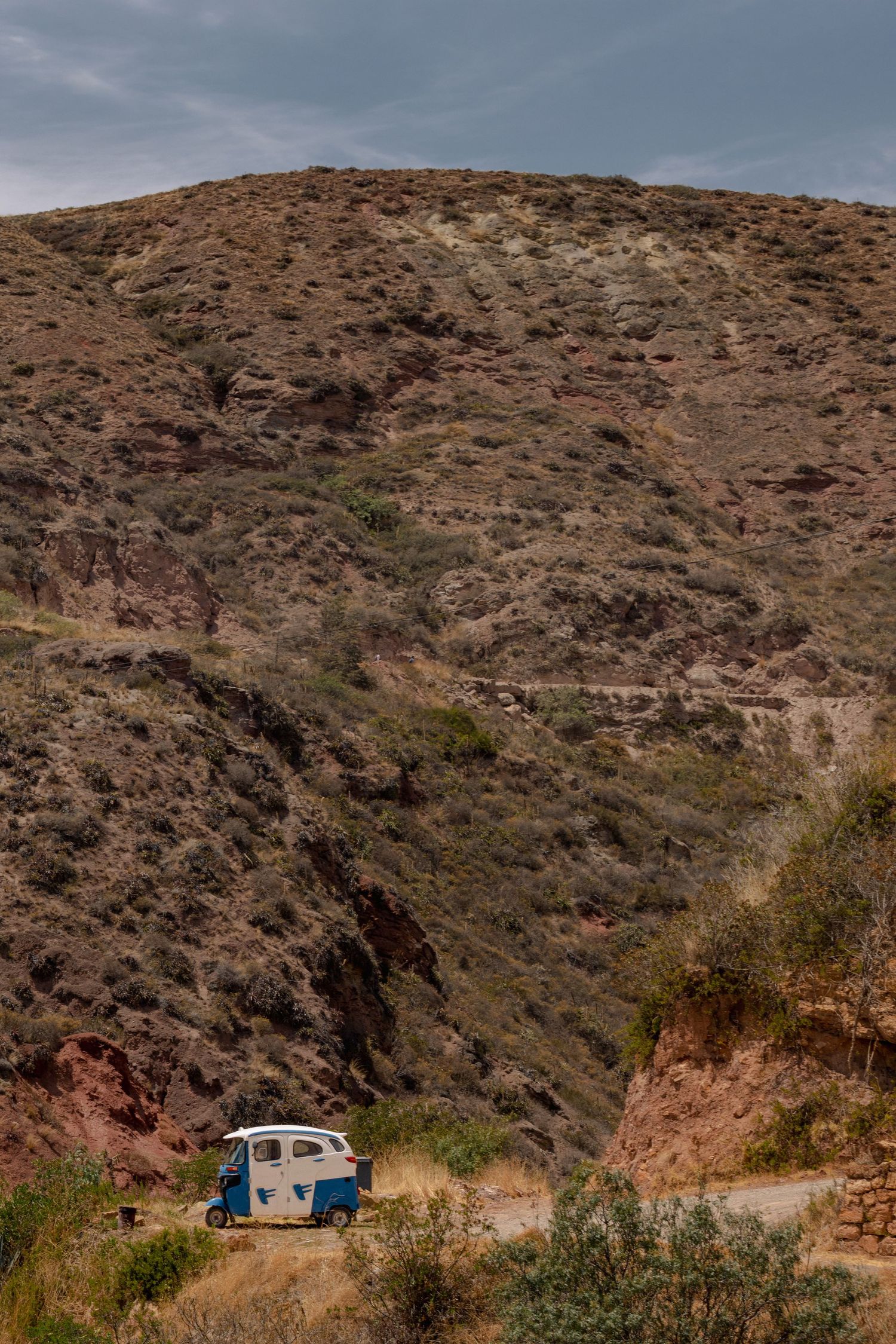
The humid hustle of the city buzzed by on mototaxis as vendors sold their fresh fish and fruit by the kilo.
The commercial chaos began to decrescendo with the sun, as our boat left the river's edge and headed south towards Puerto Prado.
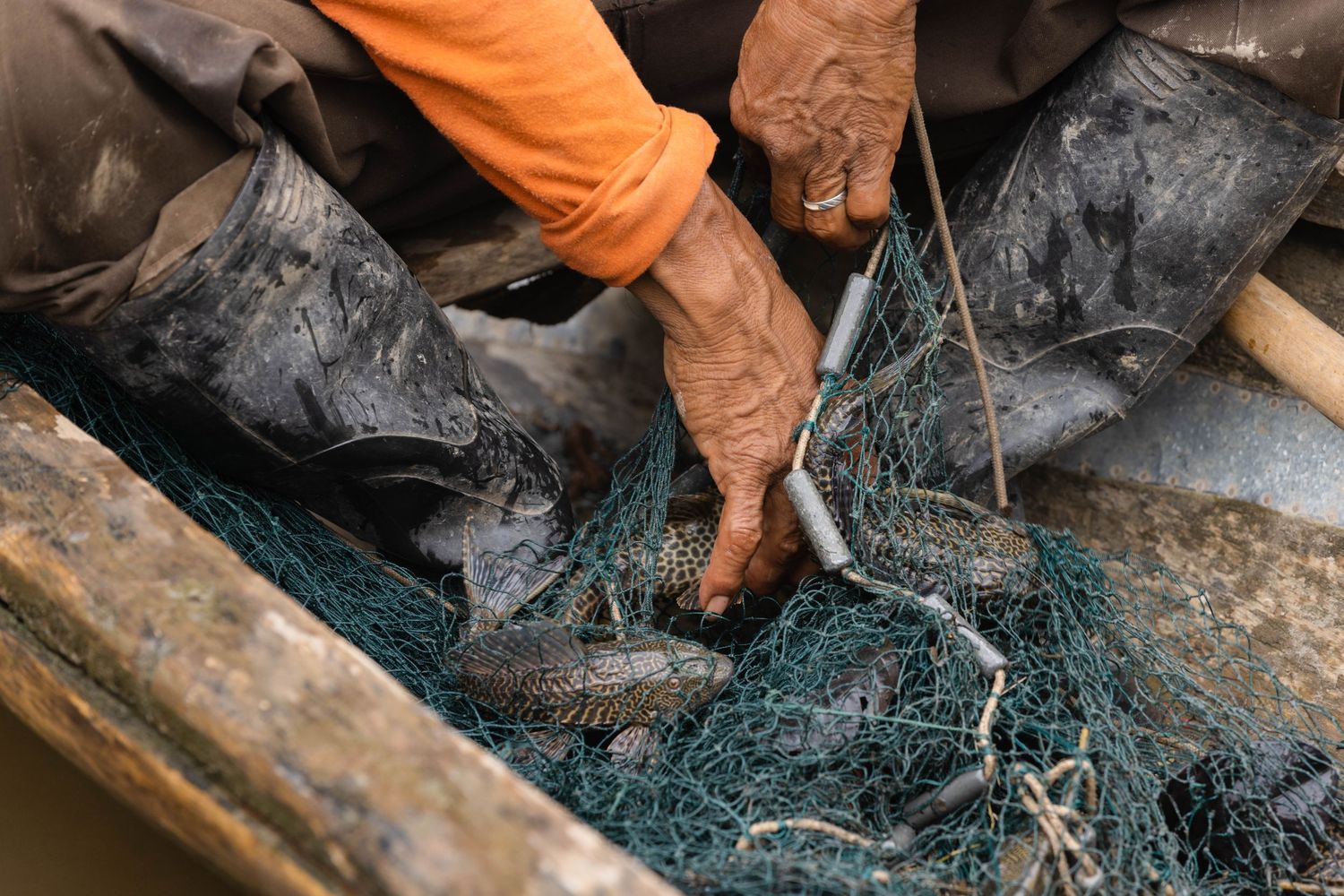
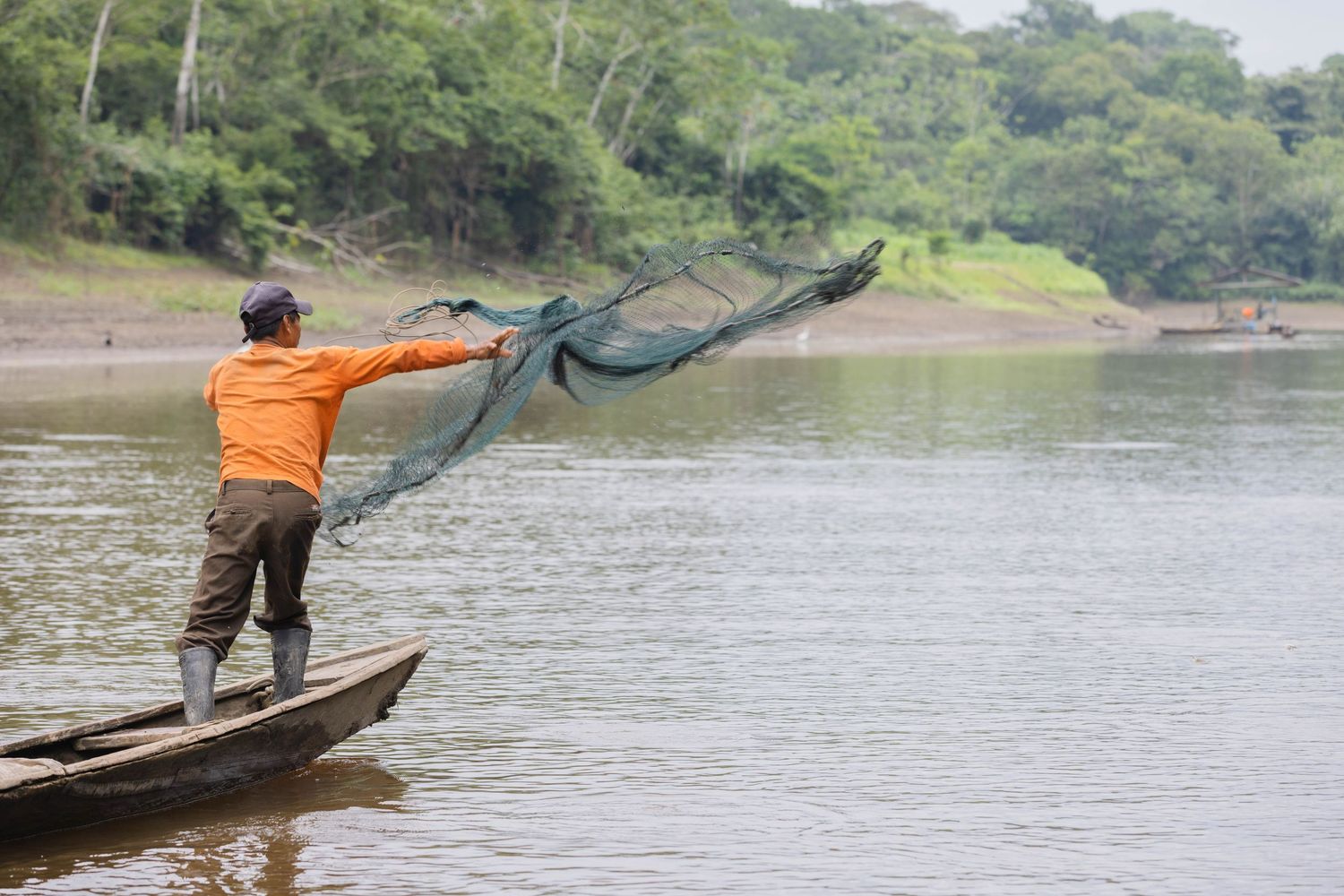
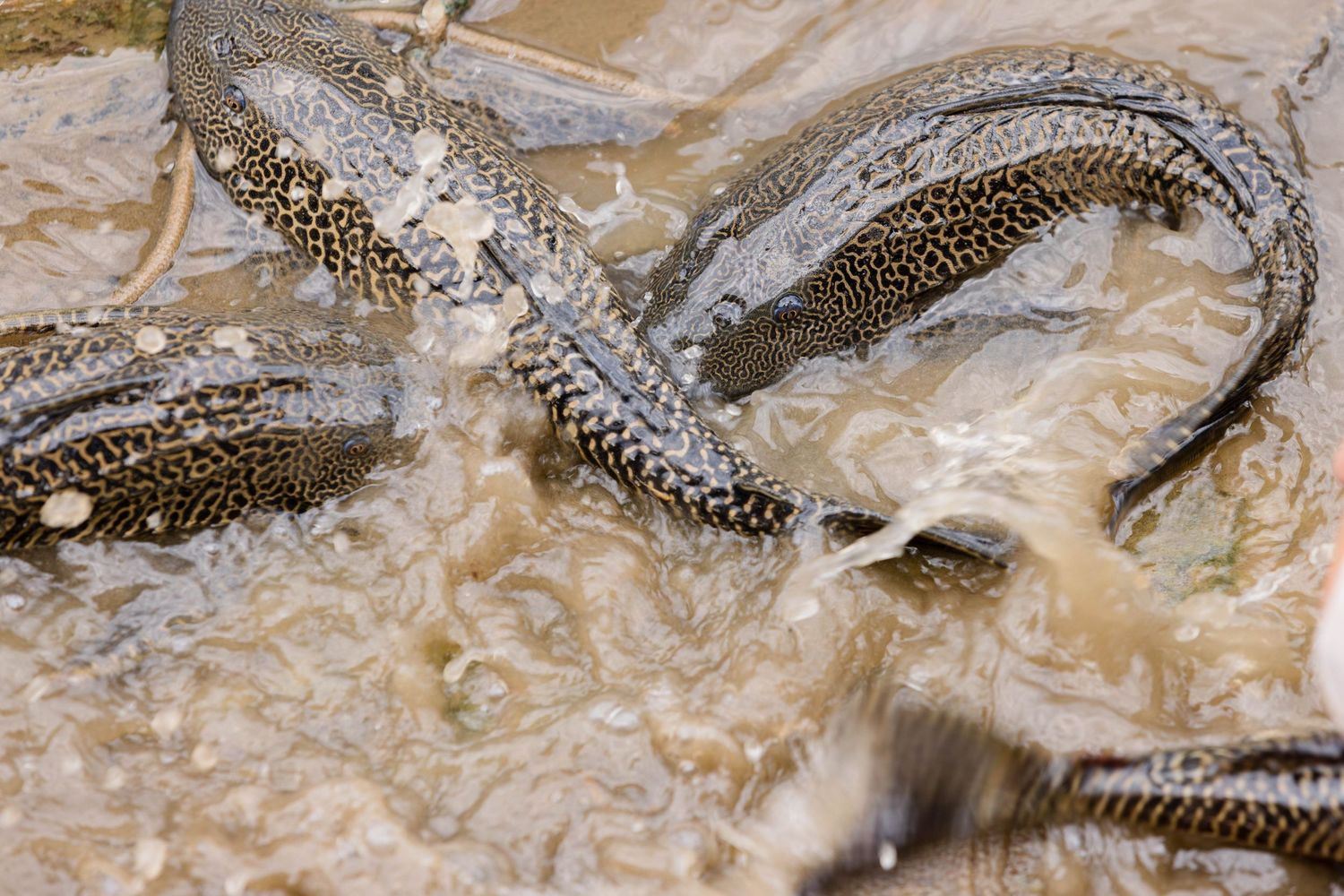
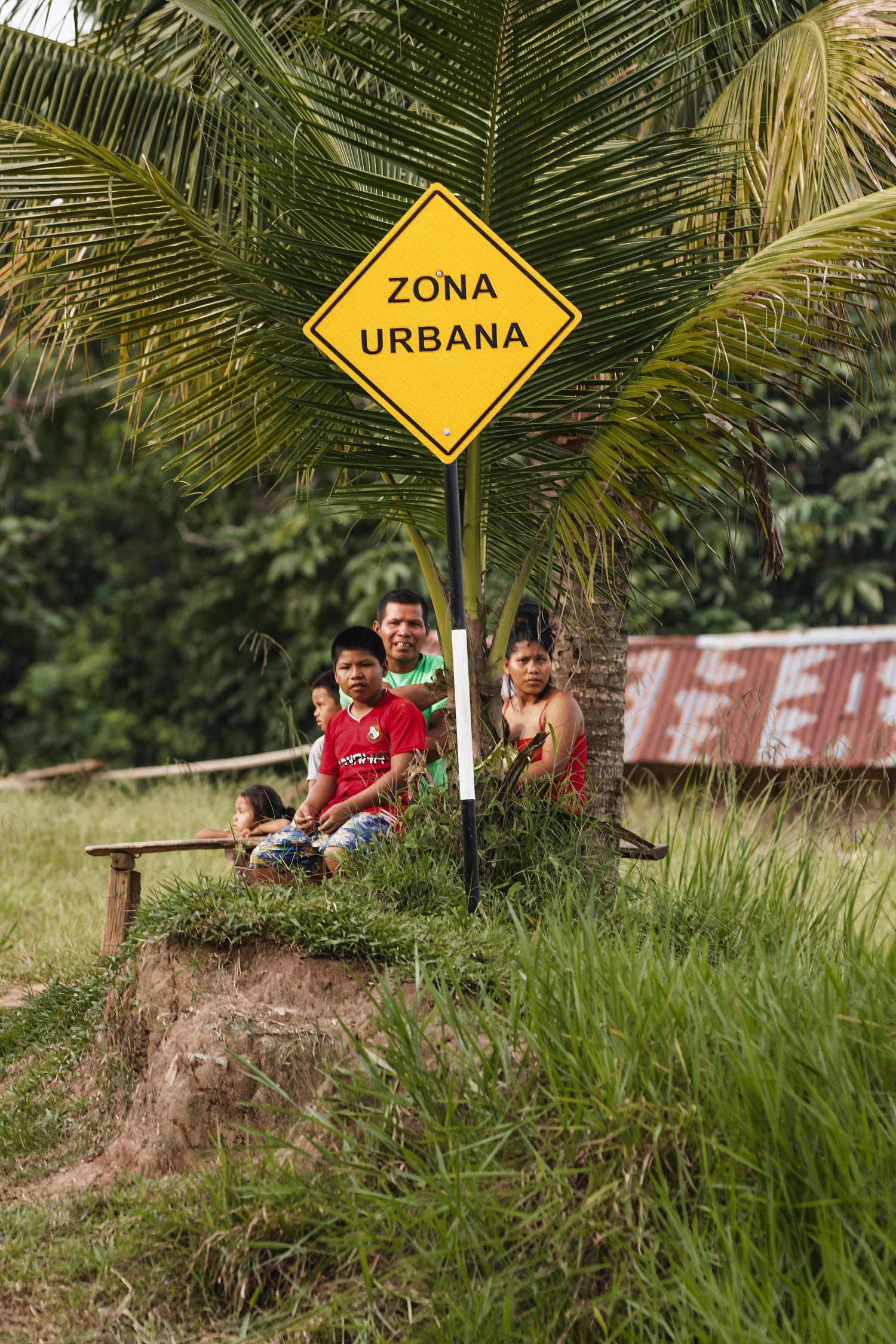
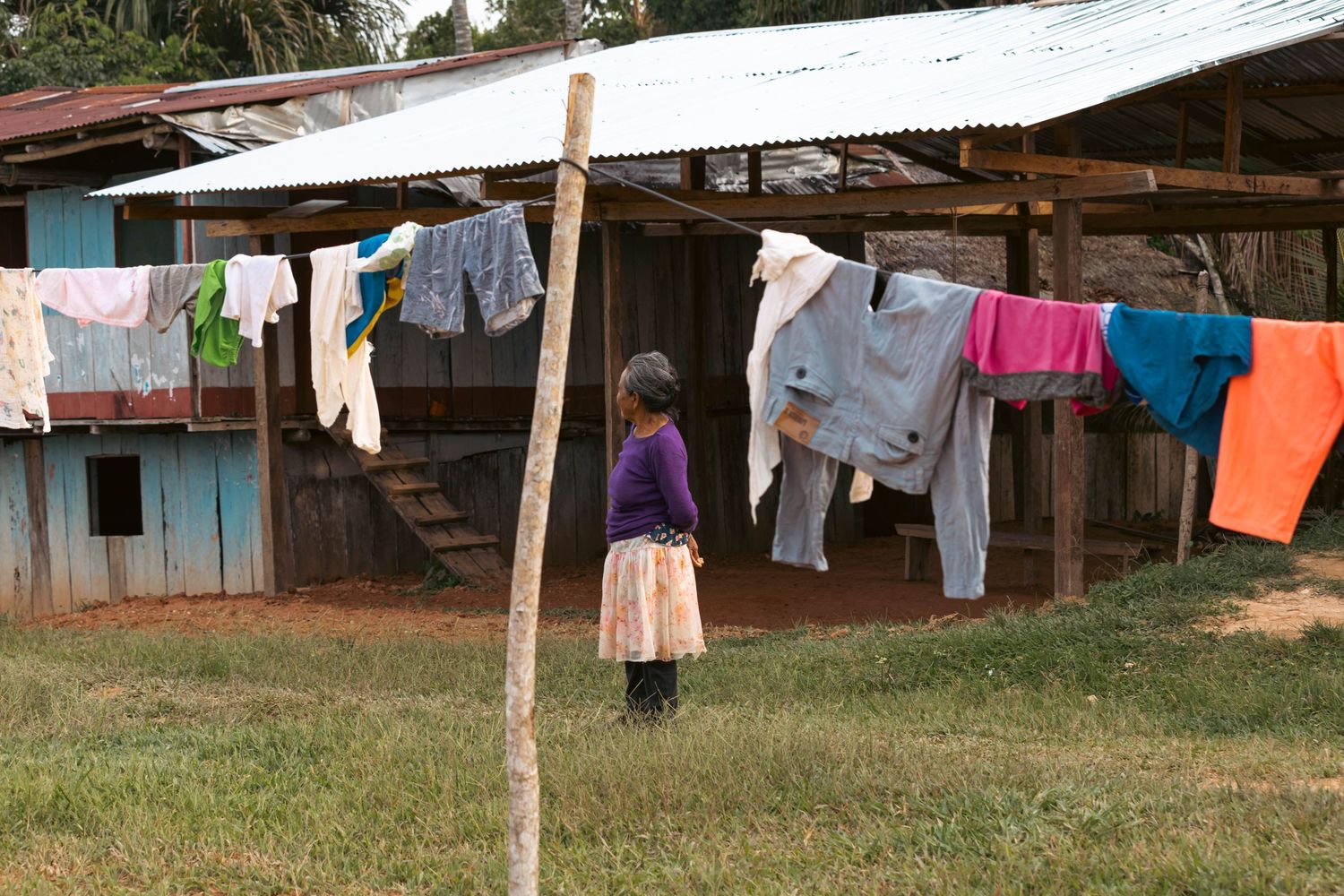
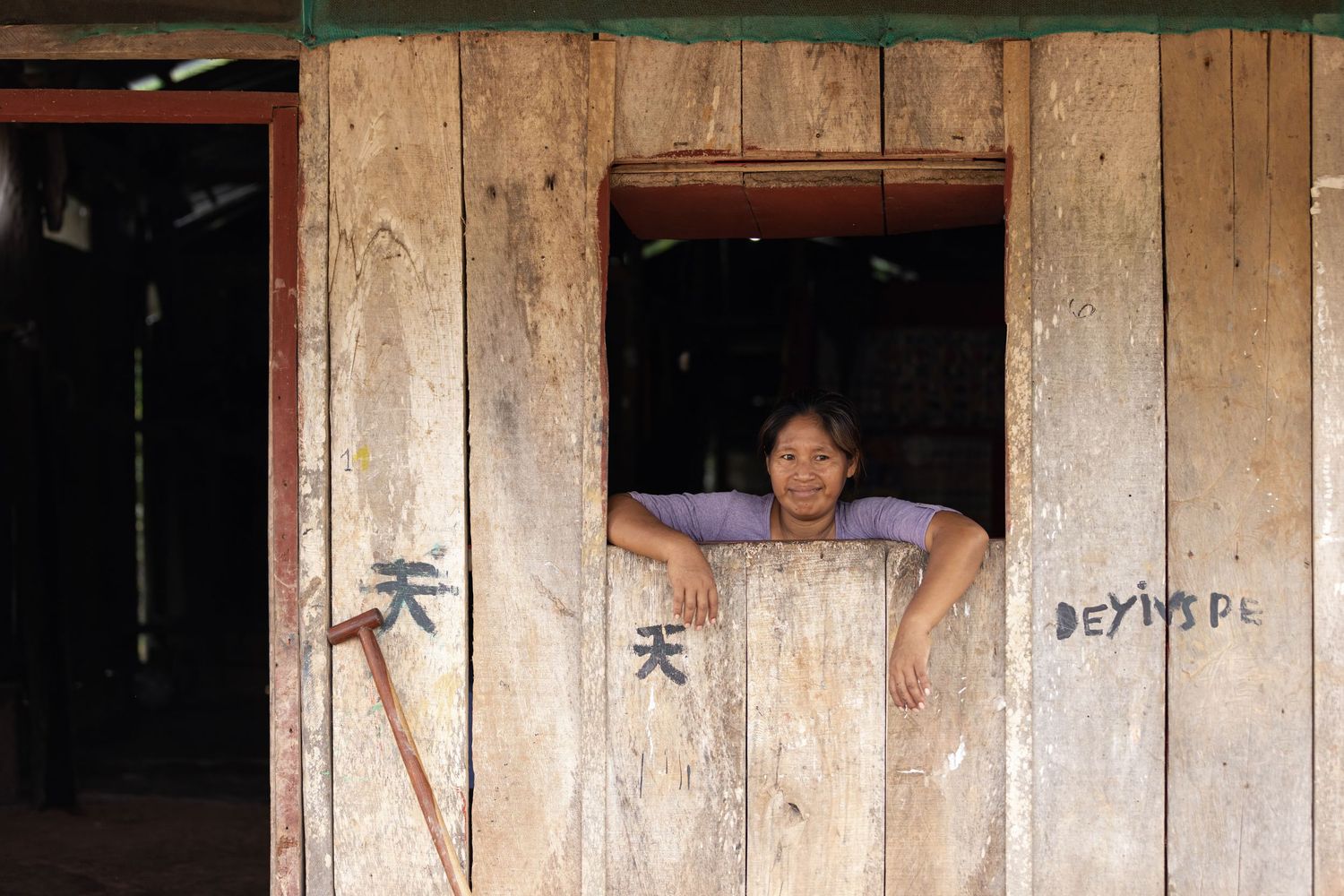
We arrived the following day to the tiny self-sustaining village tucked away behind the trees. The now near-extinct indigenous Cocama-Cocamilla descendants reside here as educators, farmers, fishermen, and craftspeople.
It was supernatural.
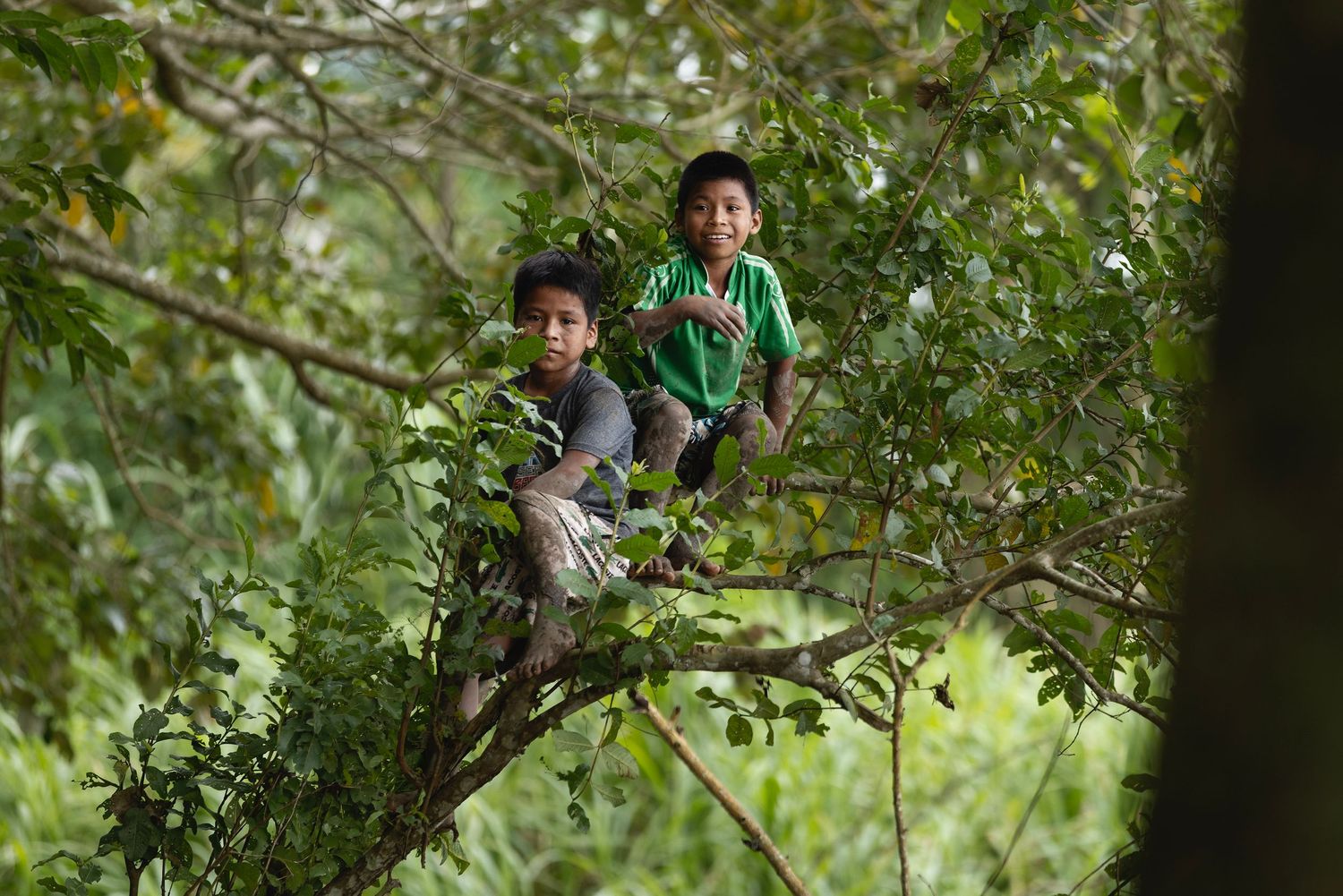
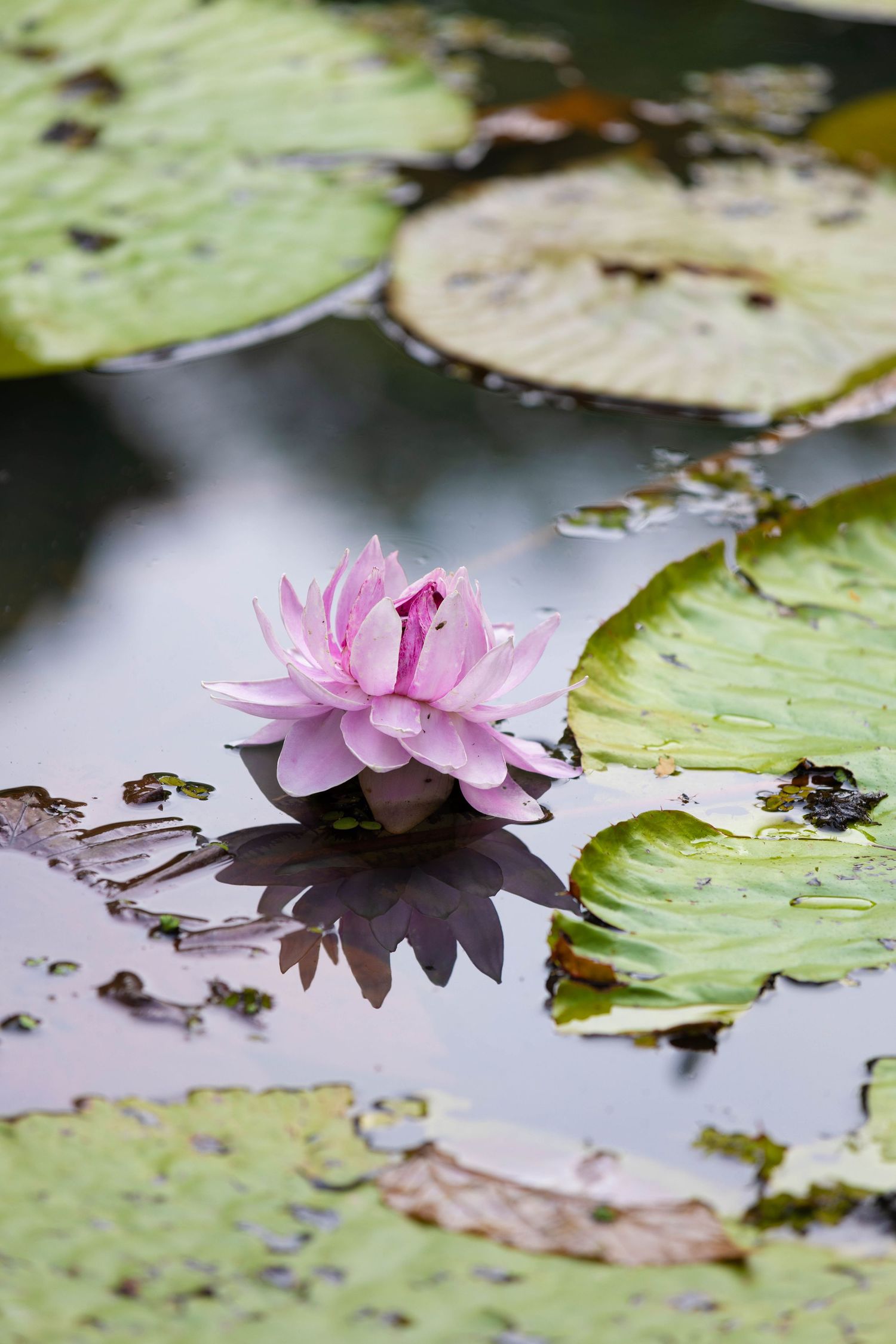
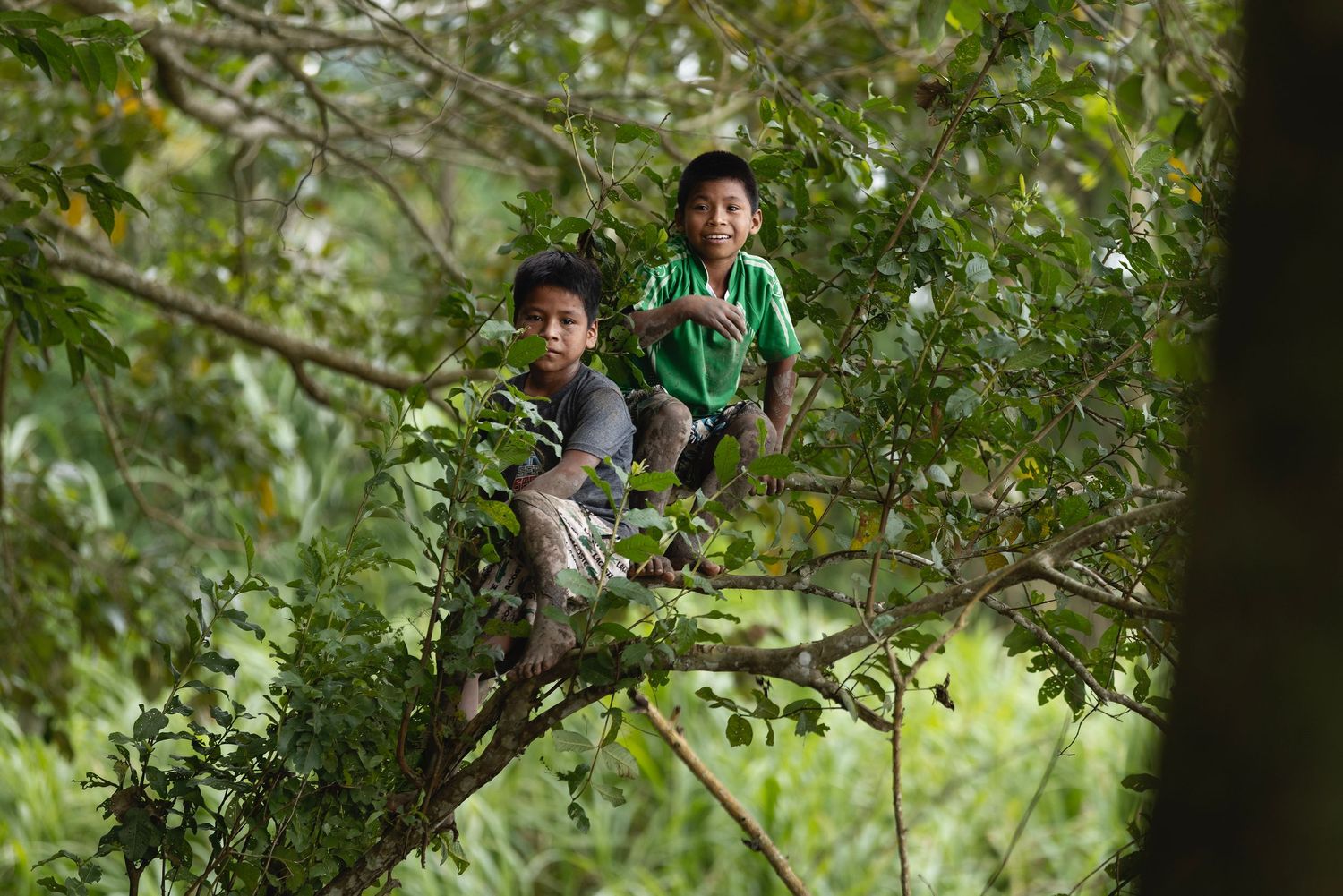
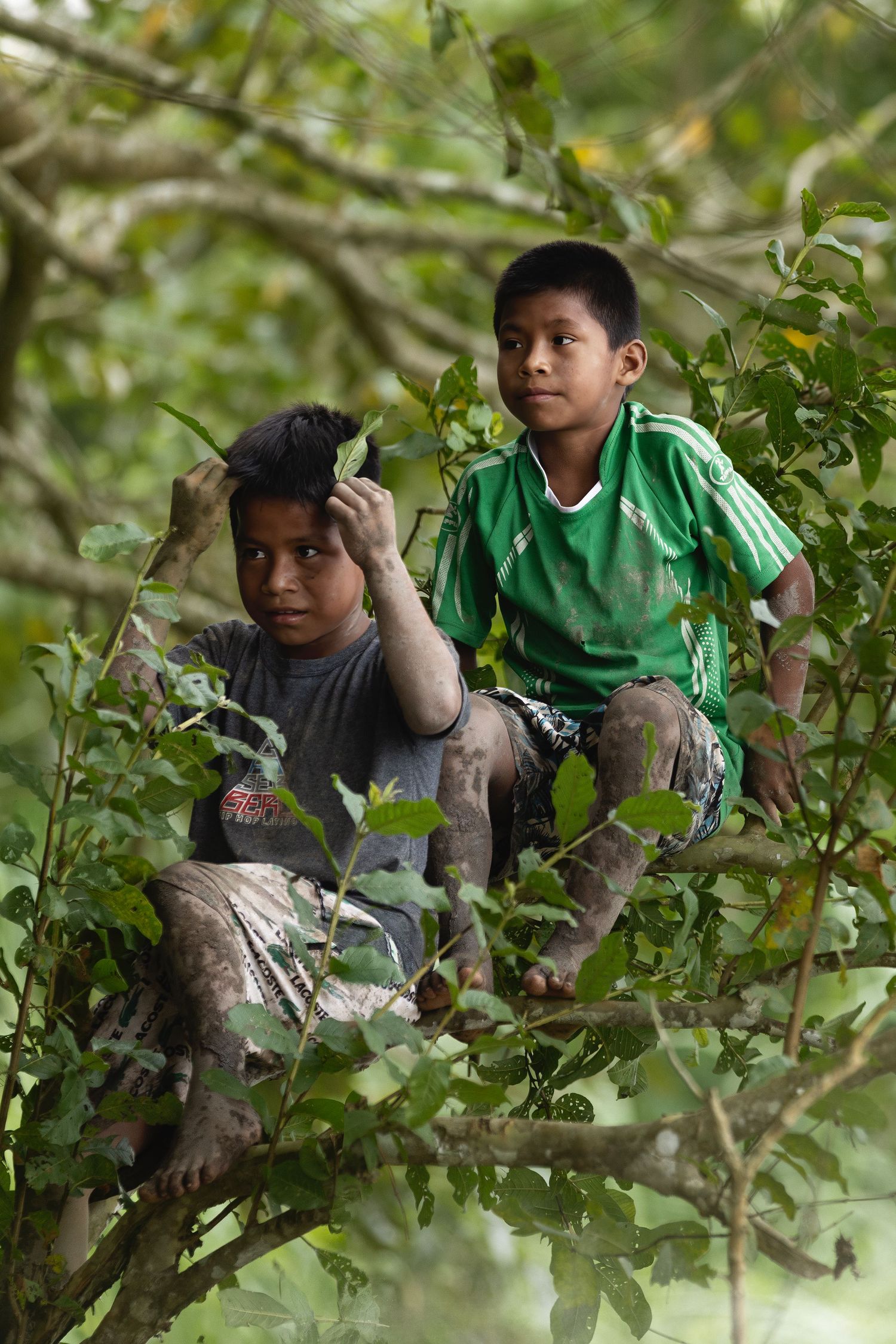
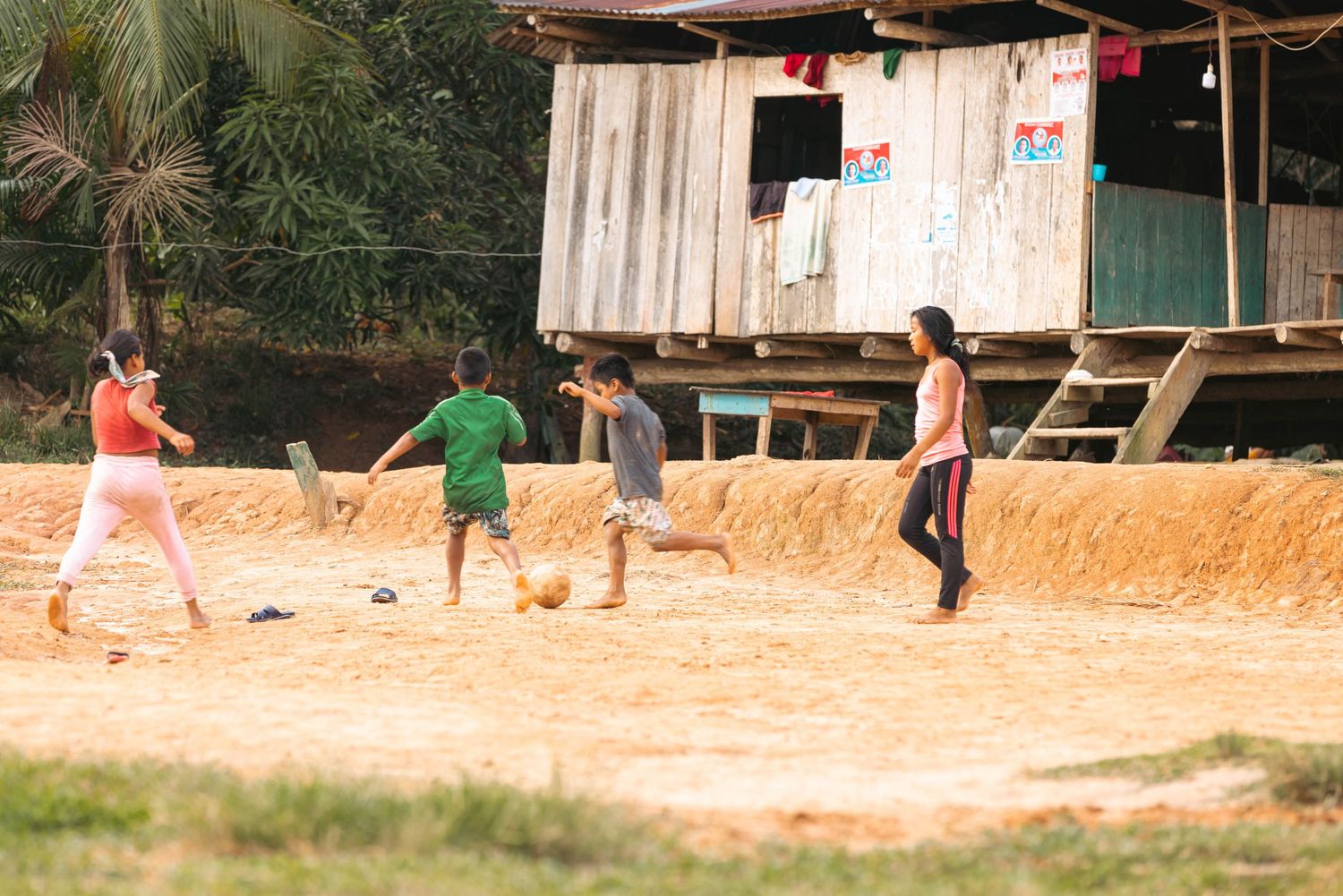
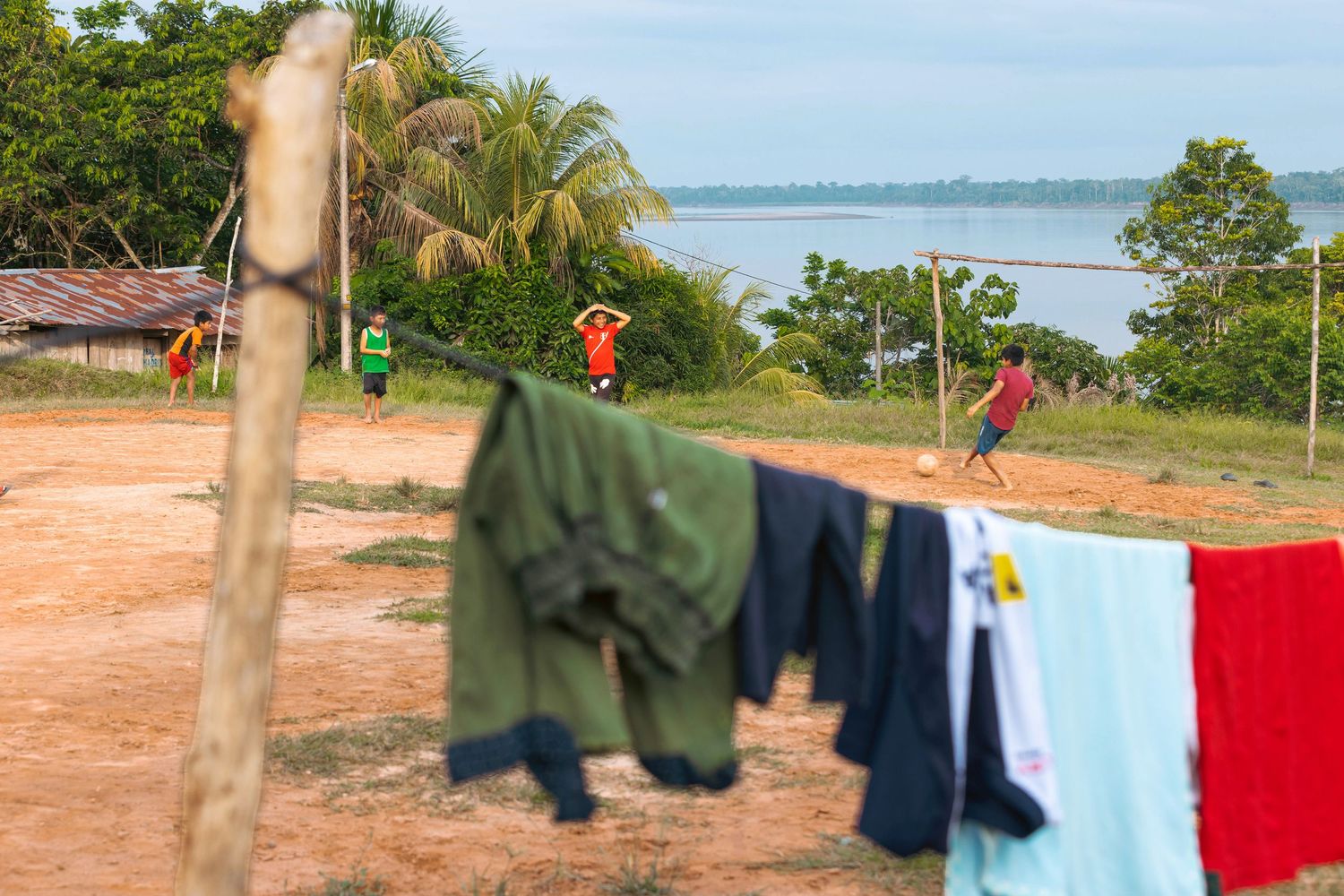
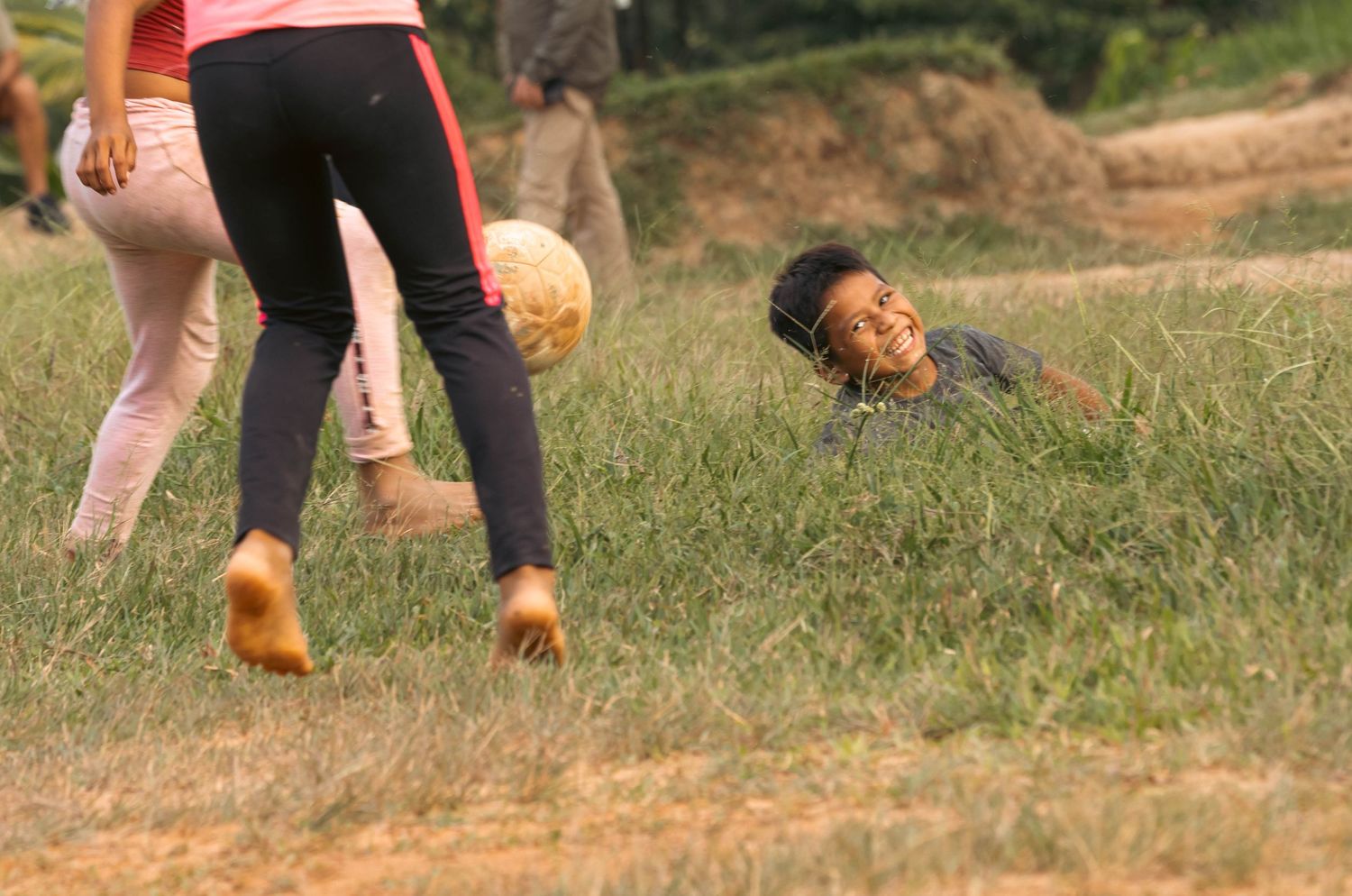
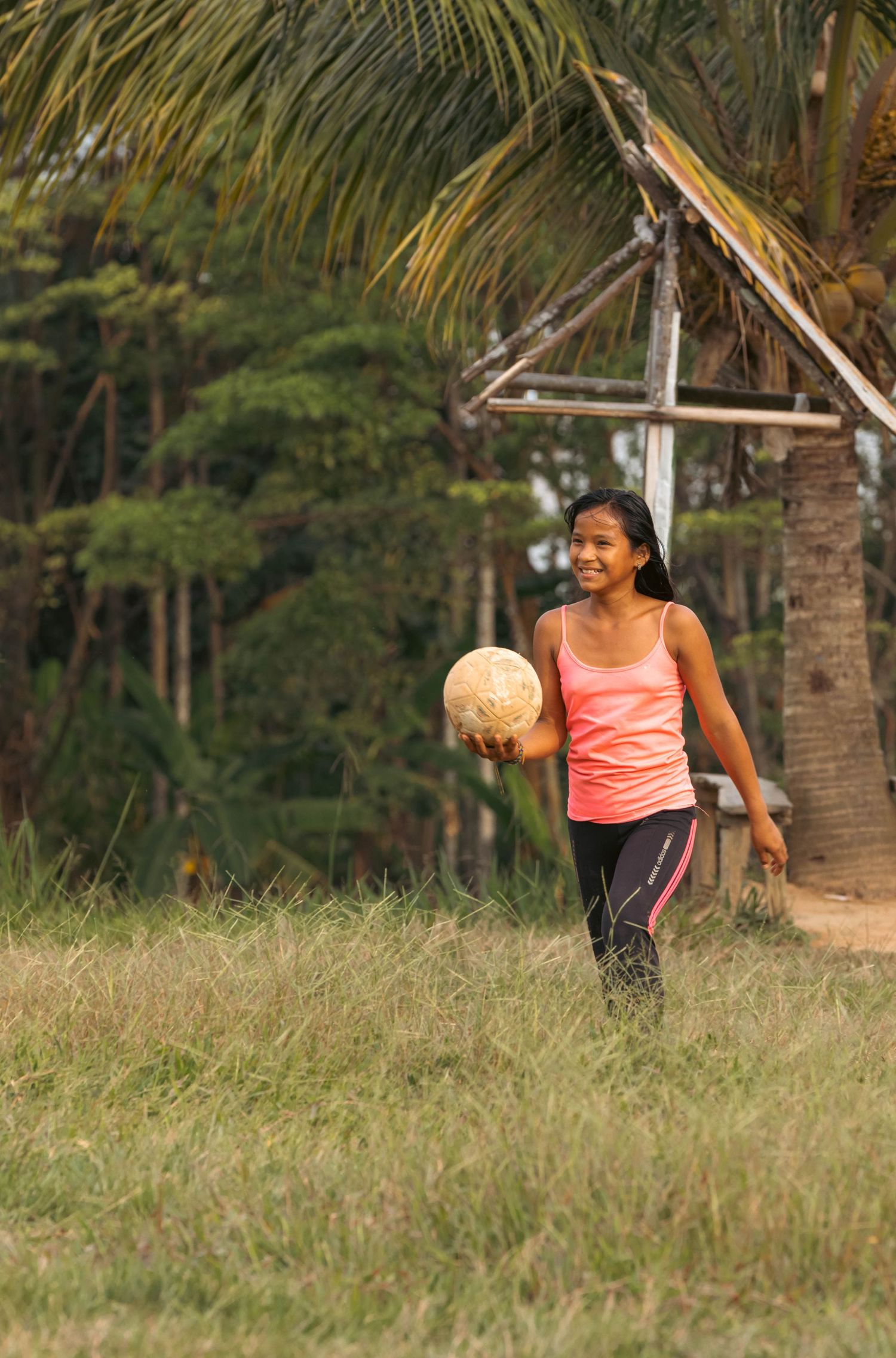
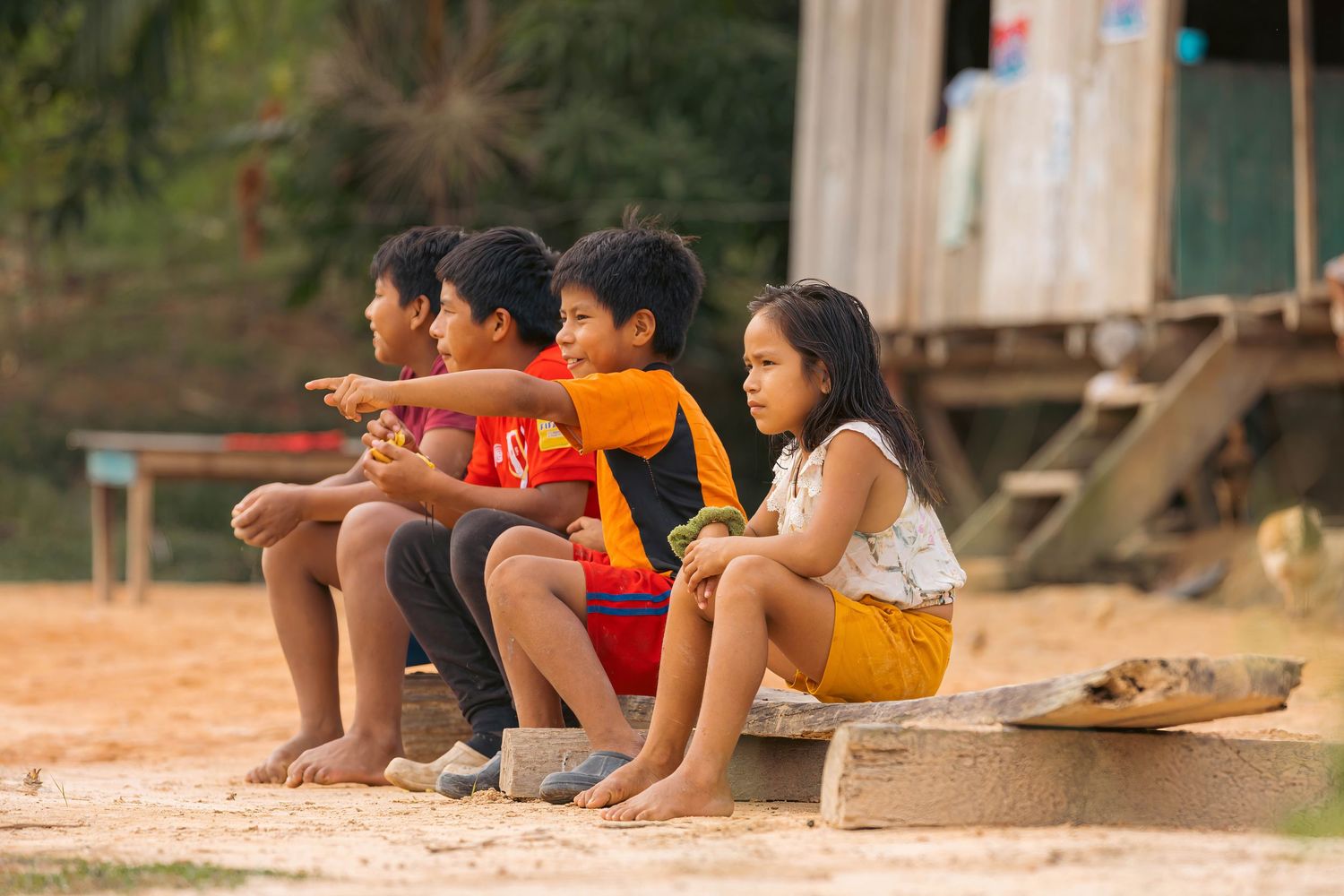
Stillness was accompanied by howls and twitters that beckoned from the forest. Giggling kids played on the riverbank, forming mud pies from the marl. We disembarked from the boat as they led us into their world. Glittering dew kissed the ferns above. Lotus flowers flourished in a pond near the deeply rooted Ceiba trees. We followed our guide on a dirt path that led us to a wooden futbol post that framed the picturesque Amazon River. The human connection of play beat the language barrier as we kicked off our shoes to join the kids in a game. Hours passed, yet time stood still.
Feeling grounded with the bouncy soil beneath my feet, I felt infinite and connected with the natural world. In tune with the rhythm of the forest and its people.
Shot on Canon 5D Mark Iv
24-70mm + 70-200mm
fuTure projection
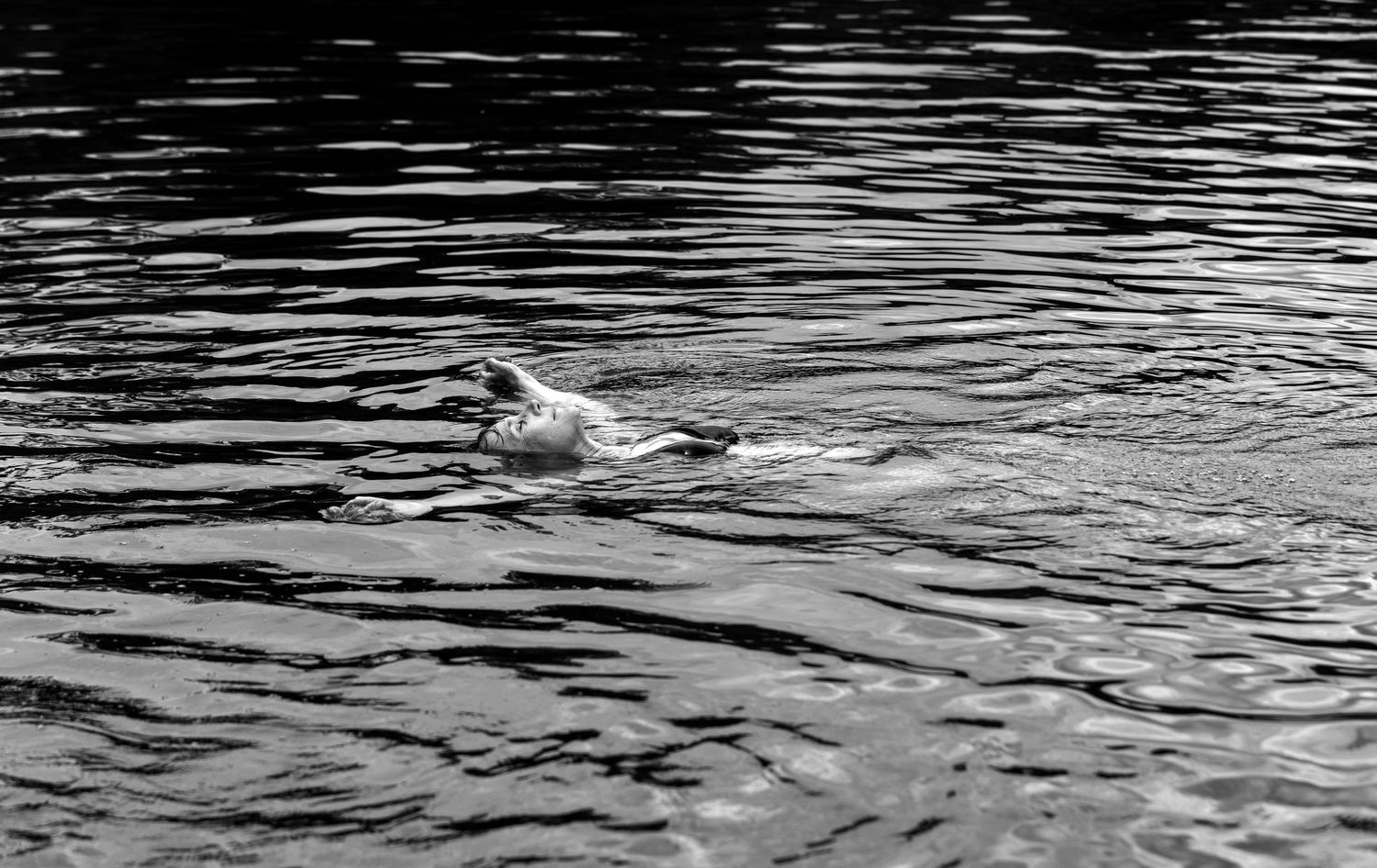
I met an older woman from the Netherlands. She told me that she had come seeking healing—a place where she could finally feel free. She floated peacefully in the Amazon, completely unafraid, surrendering herself to the unknown.
Cusco
BETWEEN TWO WORLDS
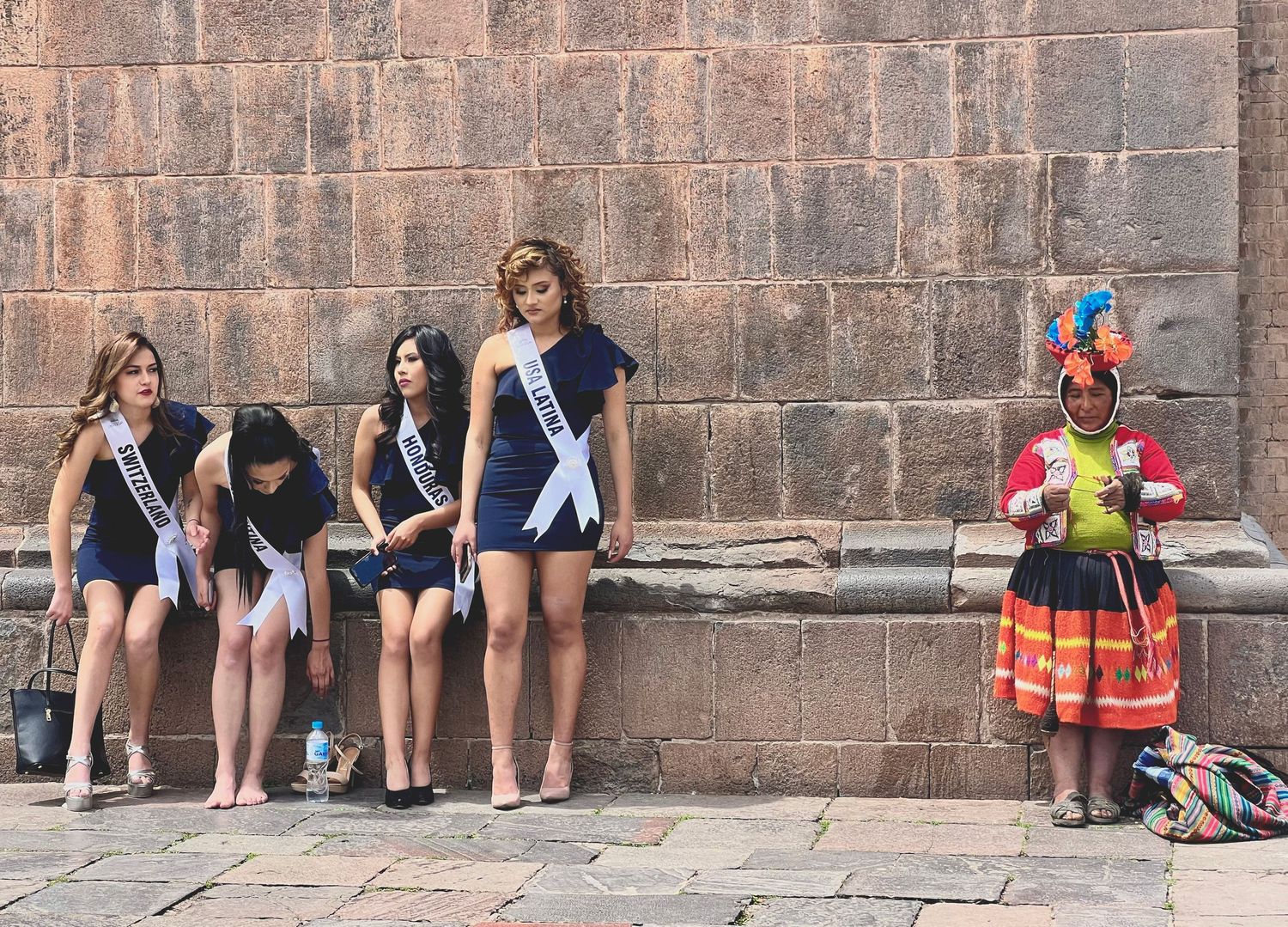
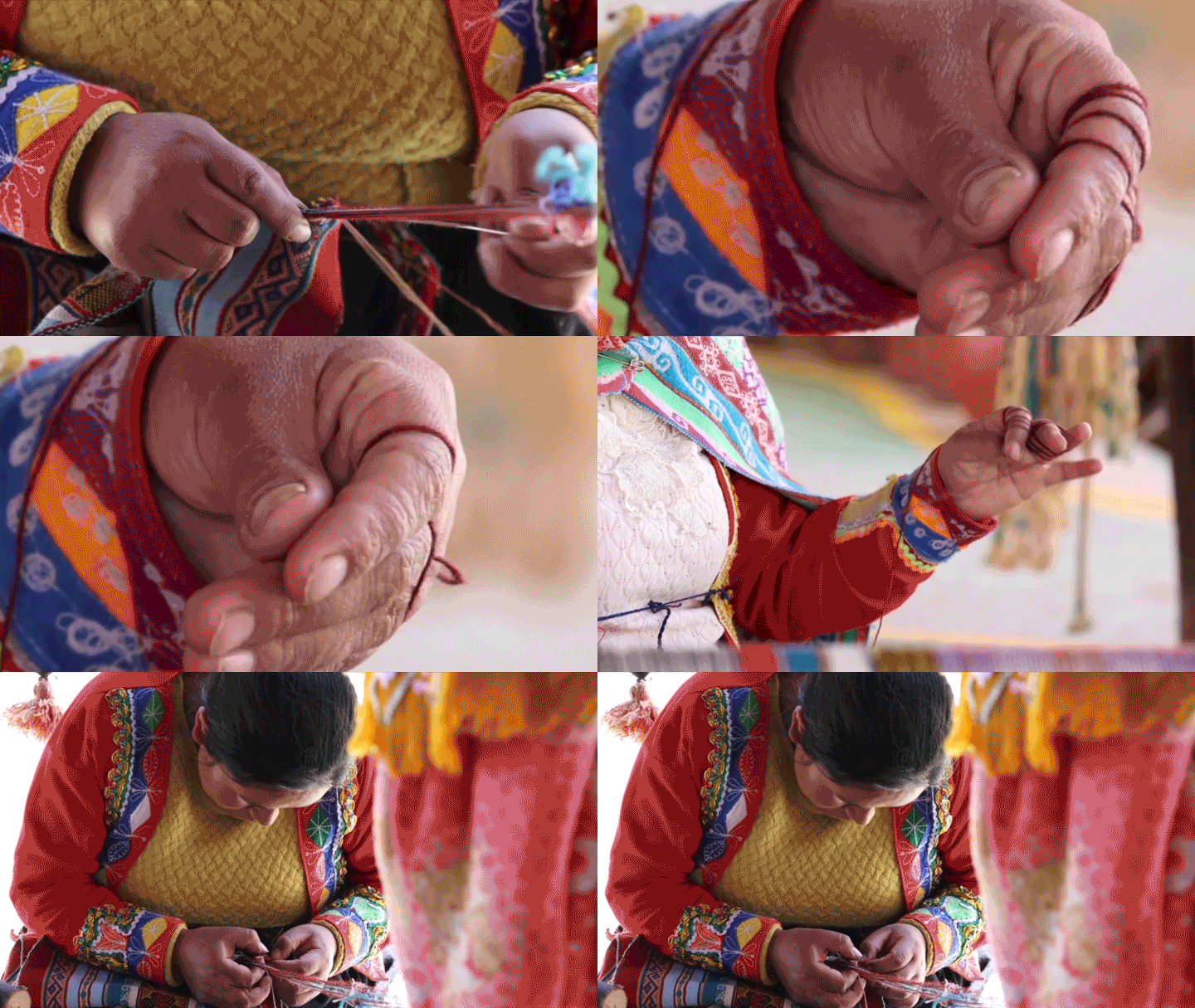
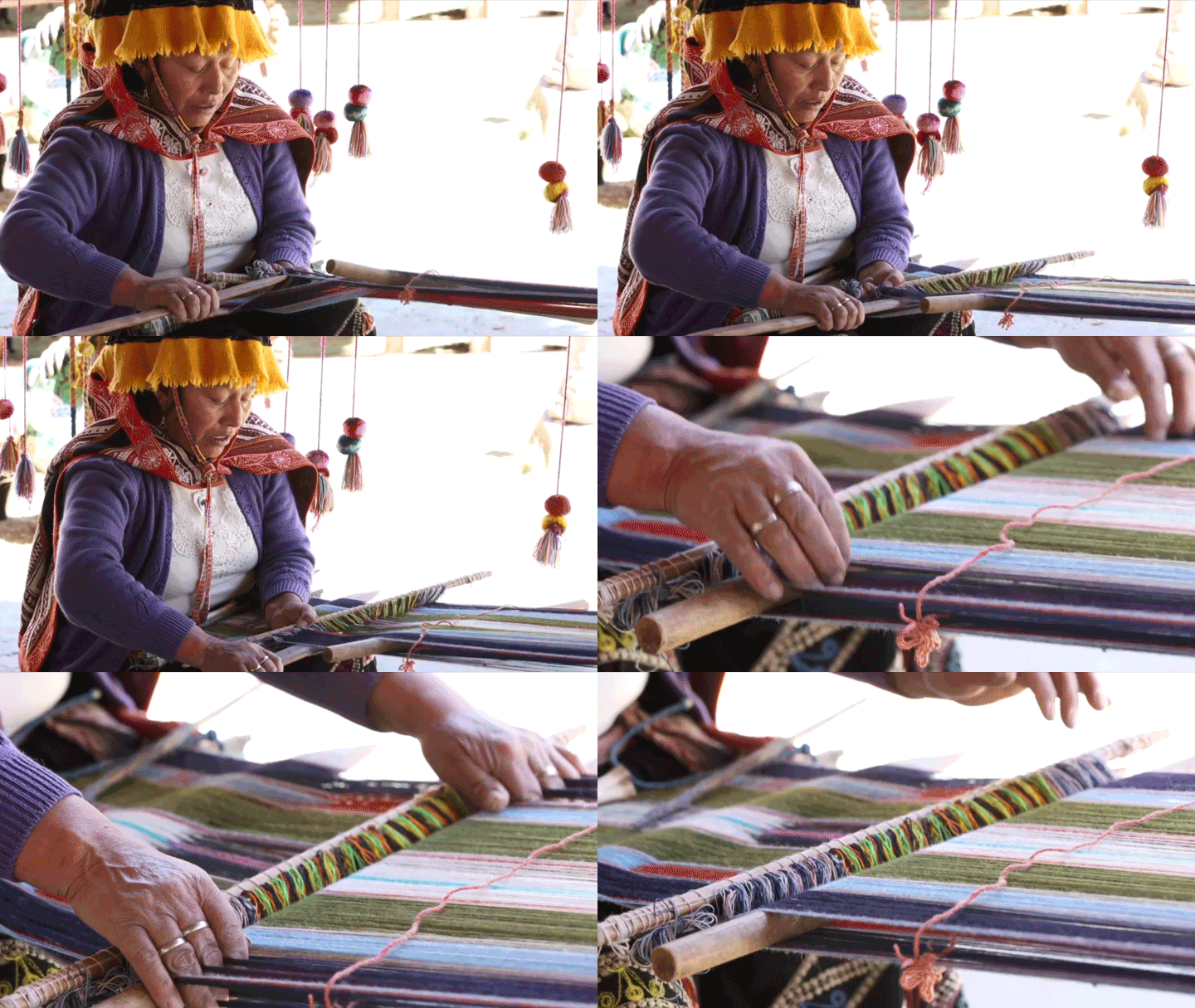
Miss Teen Mundial contestants take a break outside next to a Quechua woman, weaving with her fingers.
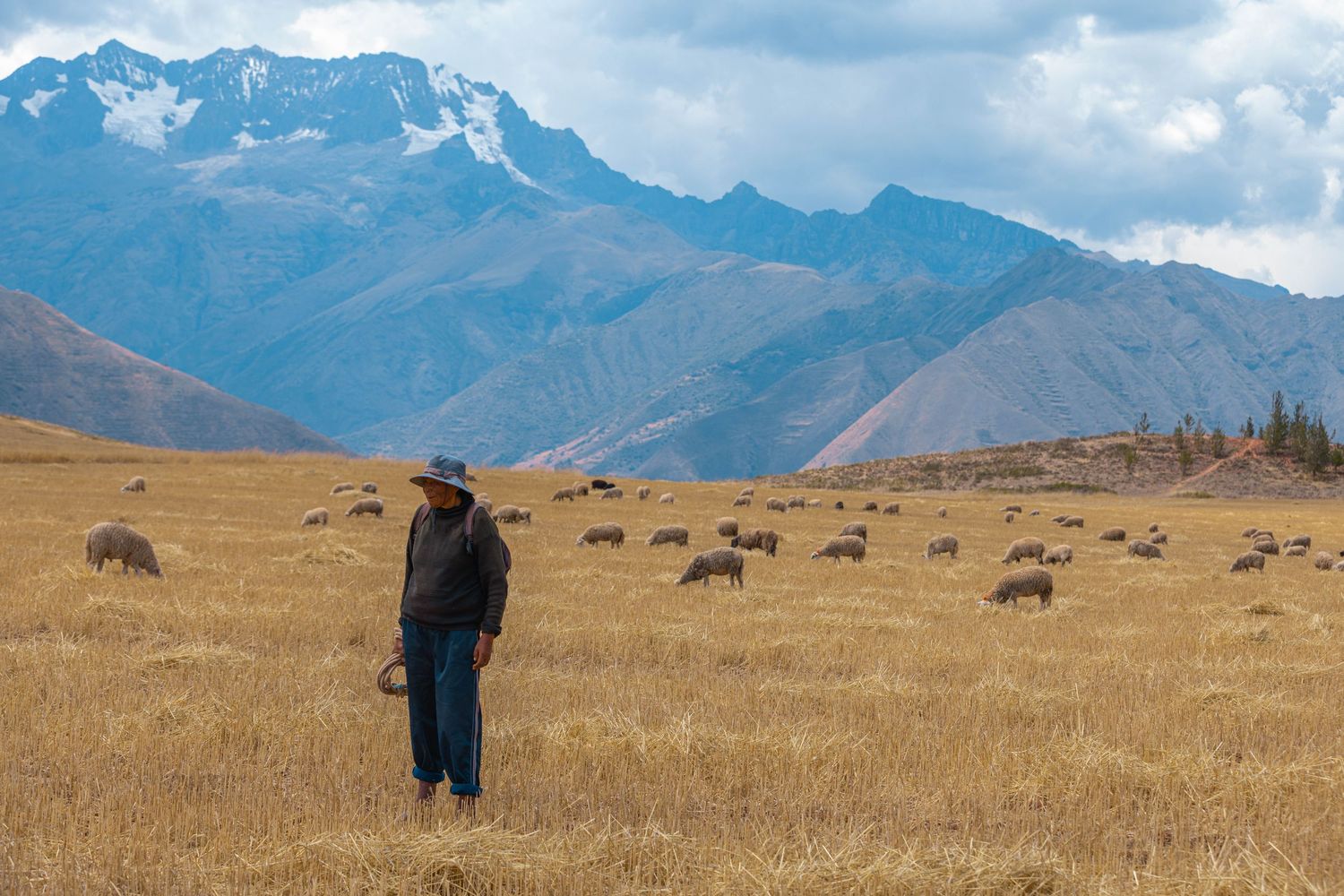
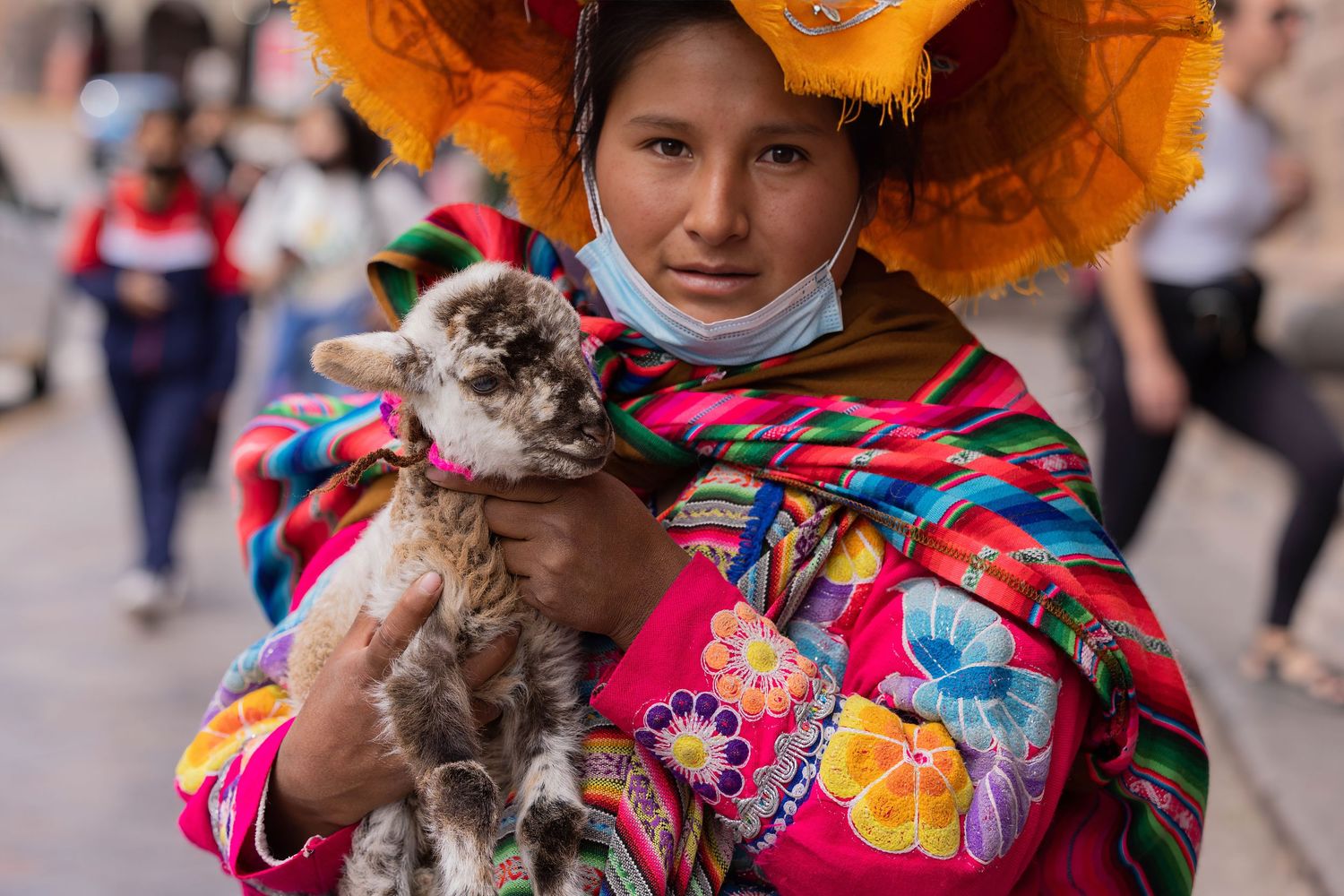
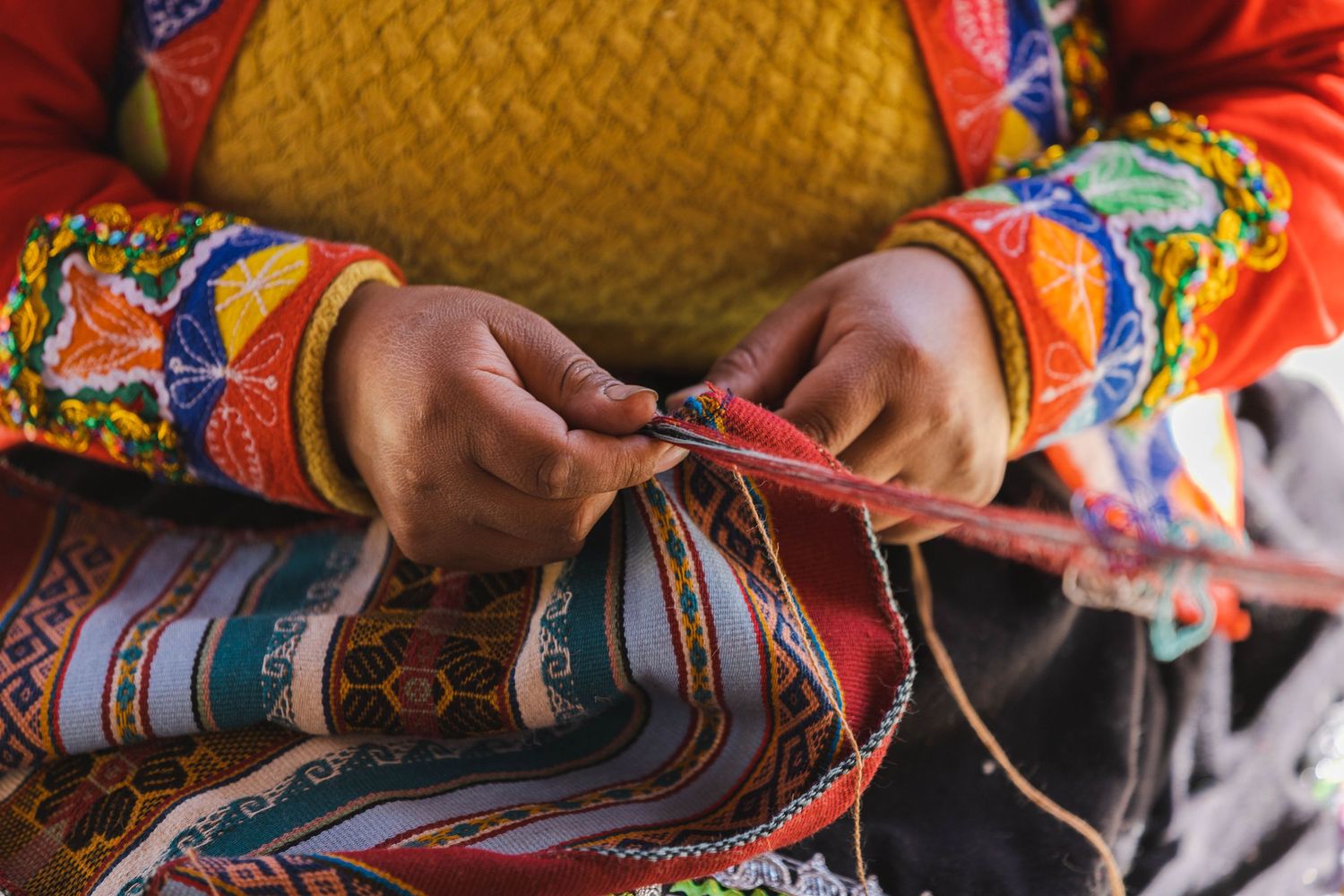
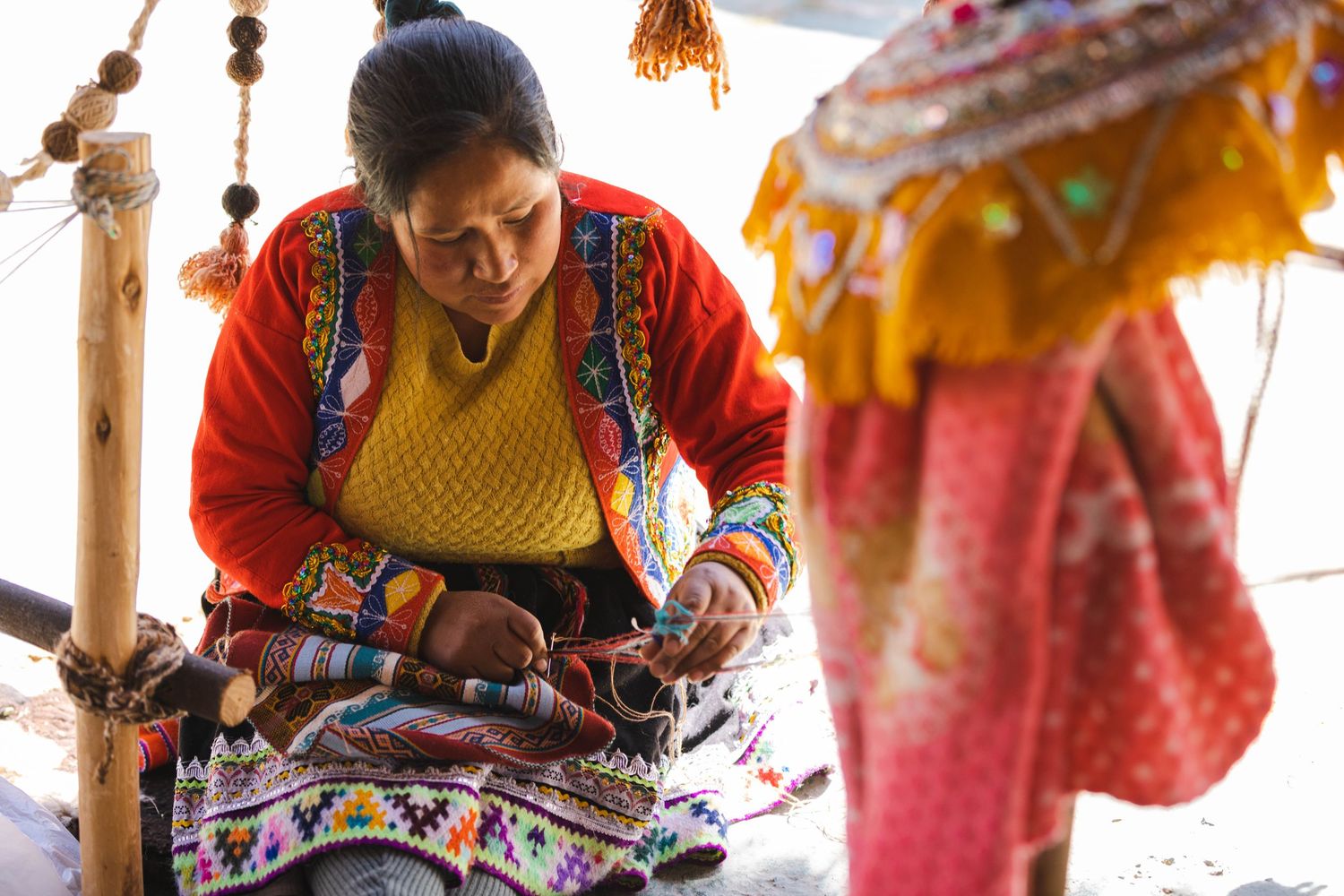
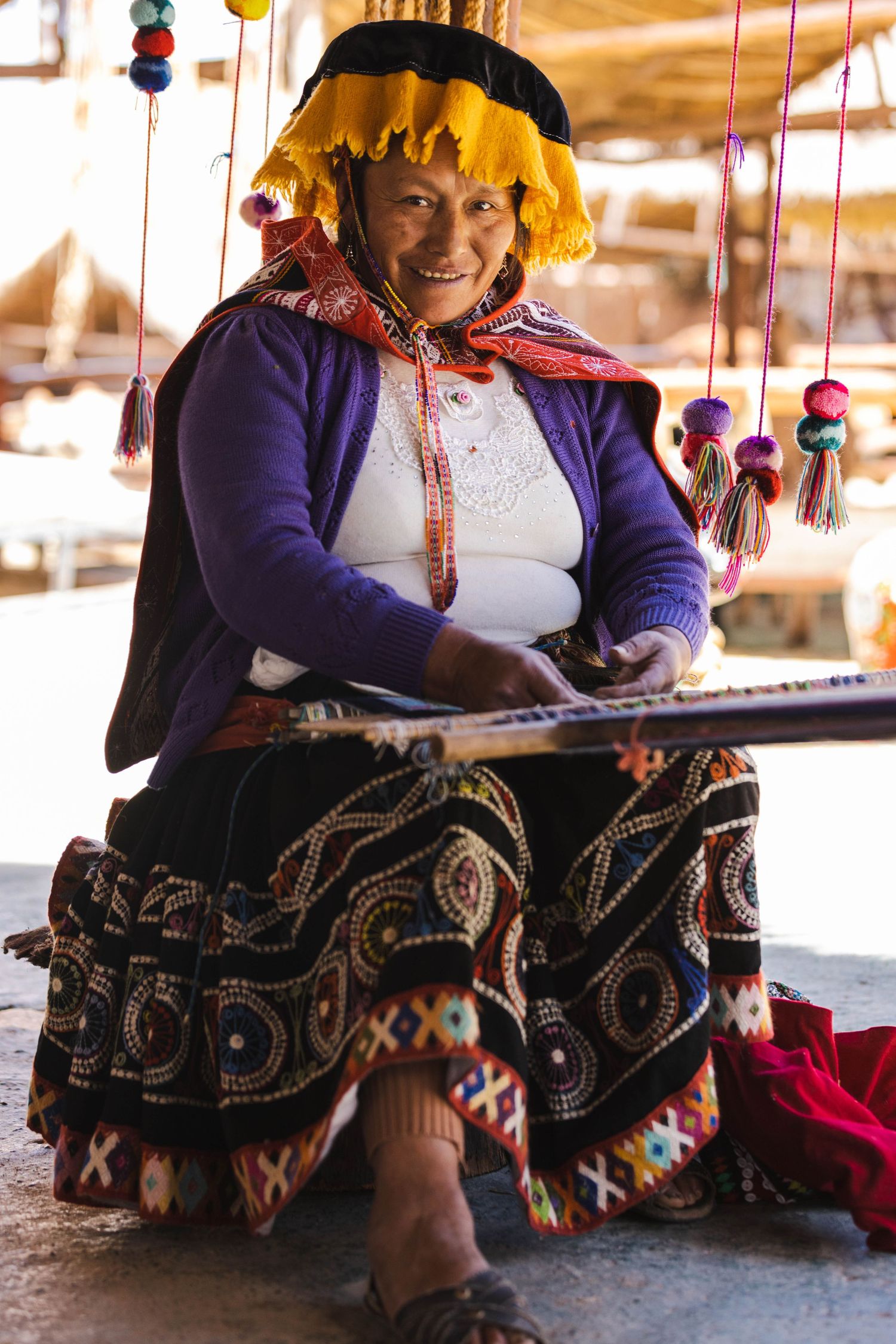
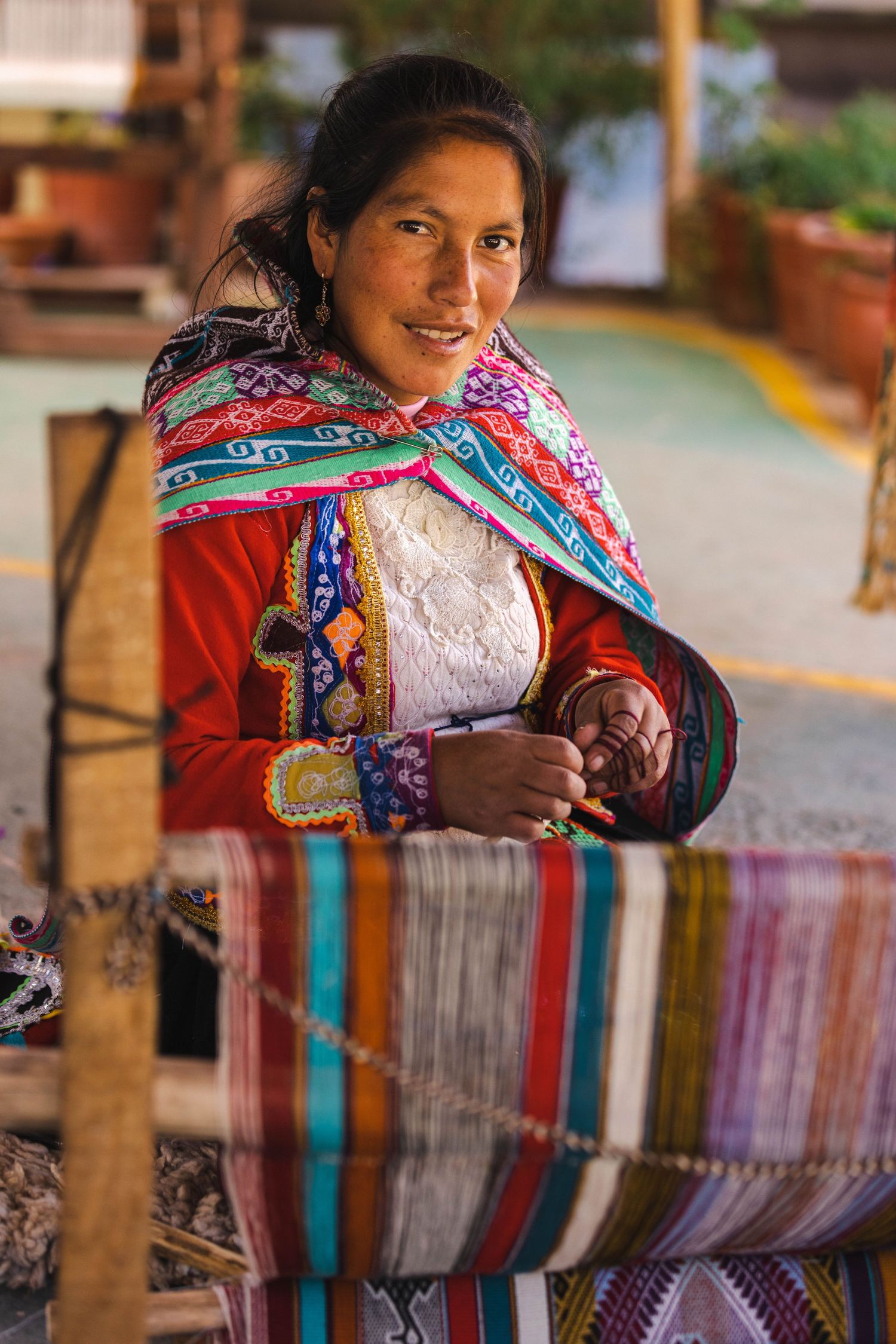
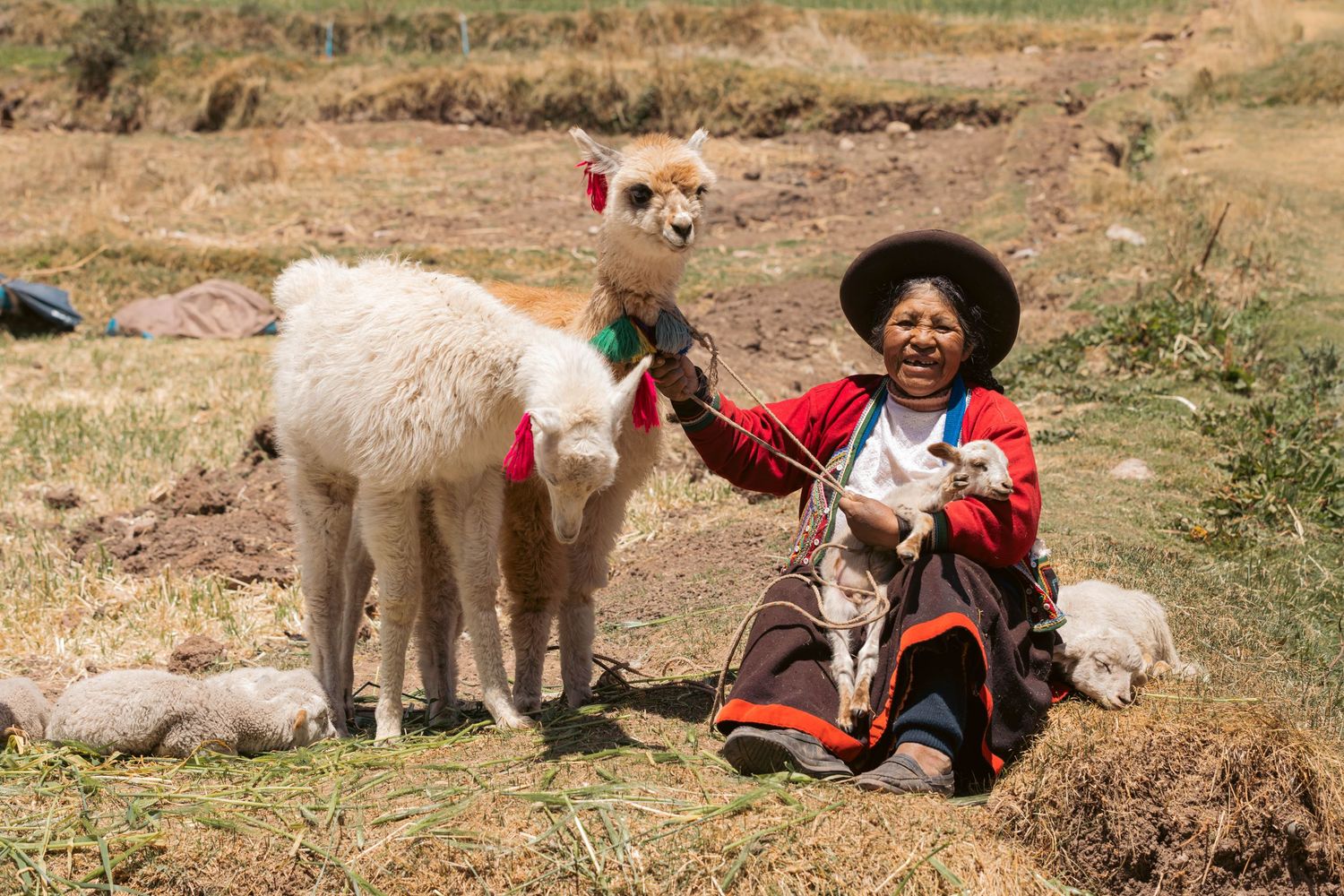
As we transitioned from the slow-moving rainforest into the modernizing city of Cusco, full of internet distractions, colonial buildings, and sounds of fast traffic blurred by the buzz of modernity,, the shift in energy was glaring. Quechua women would be unbothered by trends as they knitted their crafts, silently observed, or hoisted their goats into a local taxi.
sacred geometry
from textiles to terraces
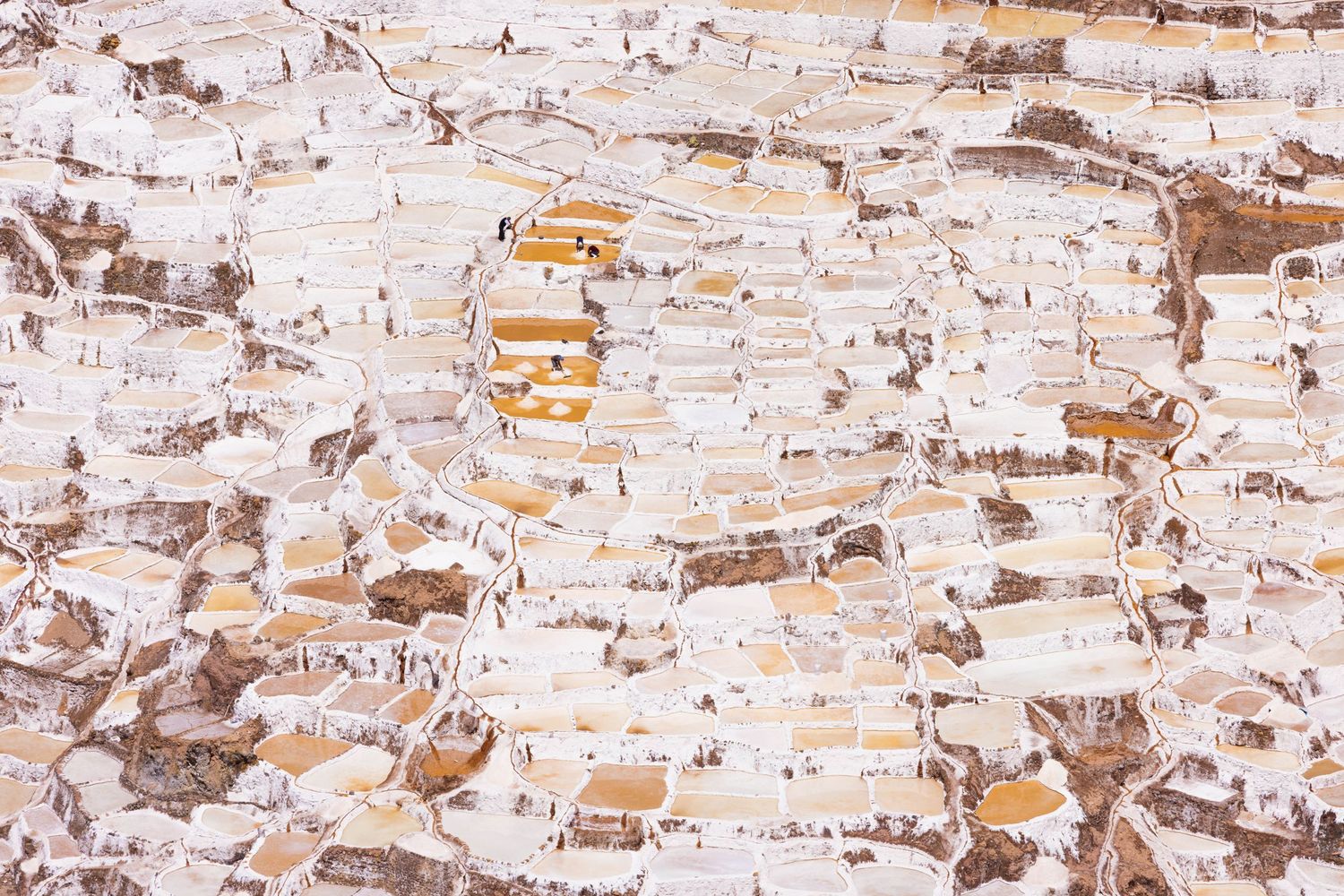
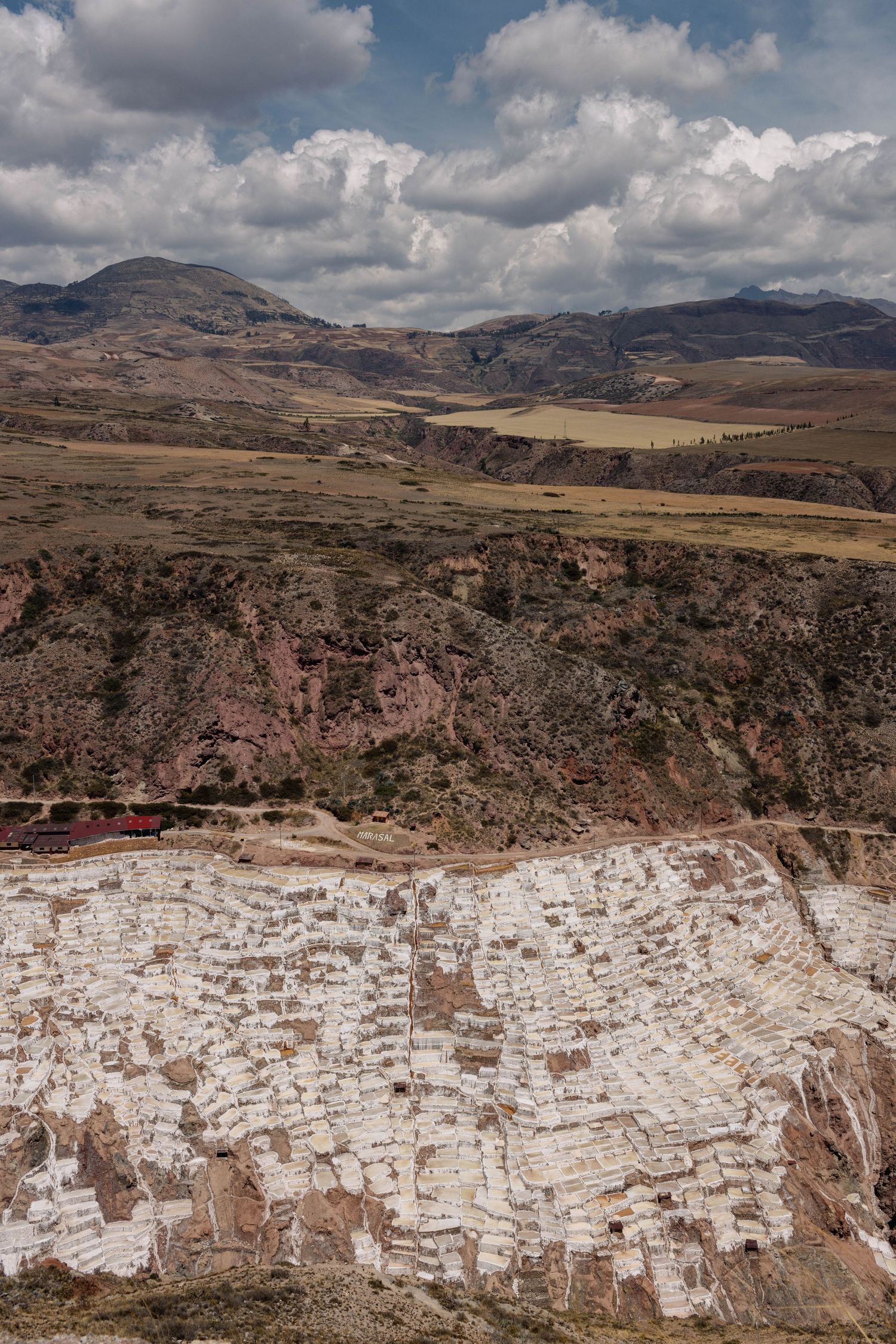
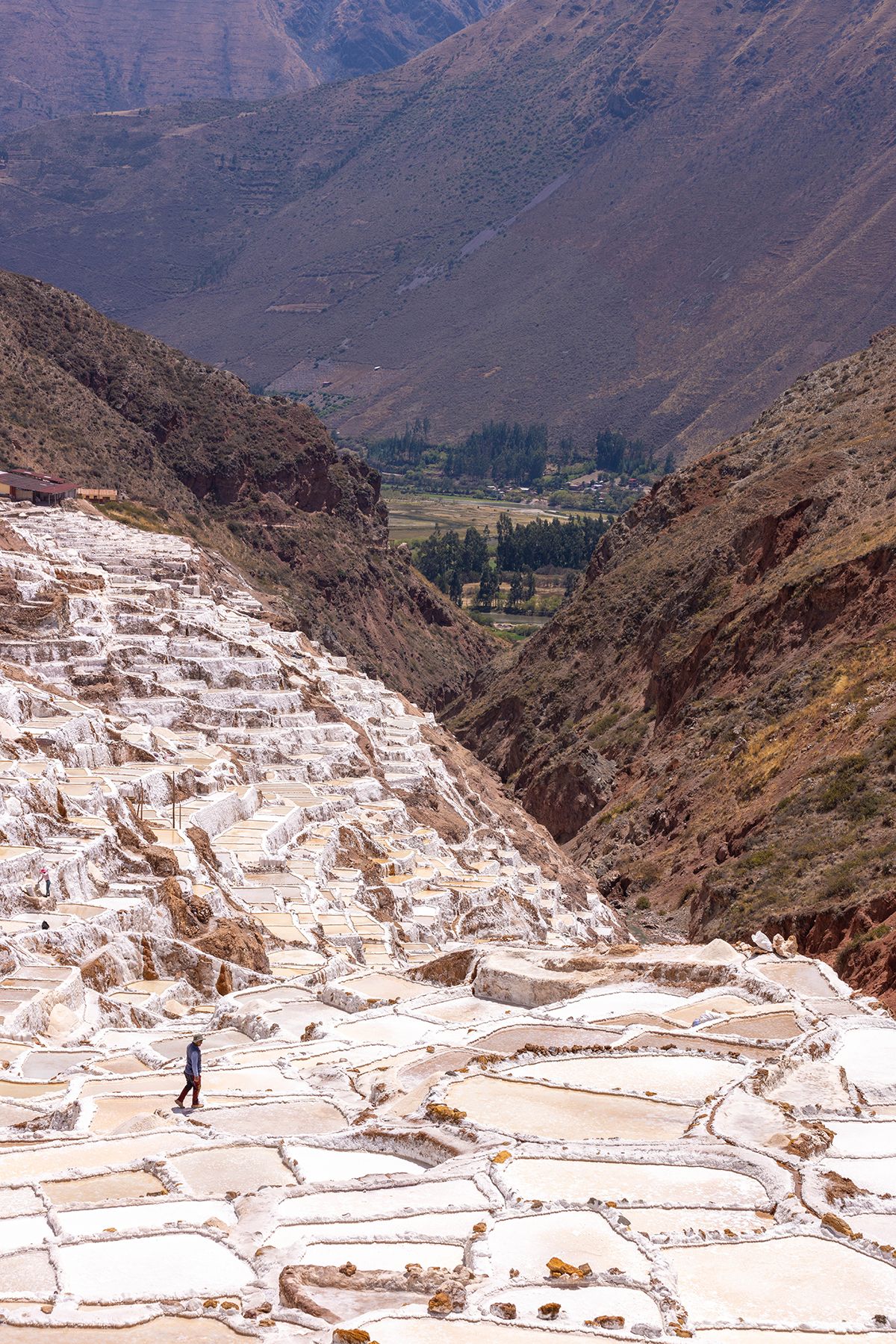
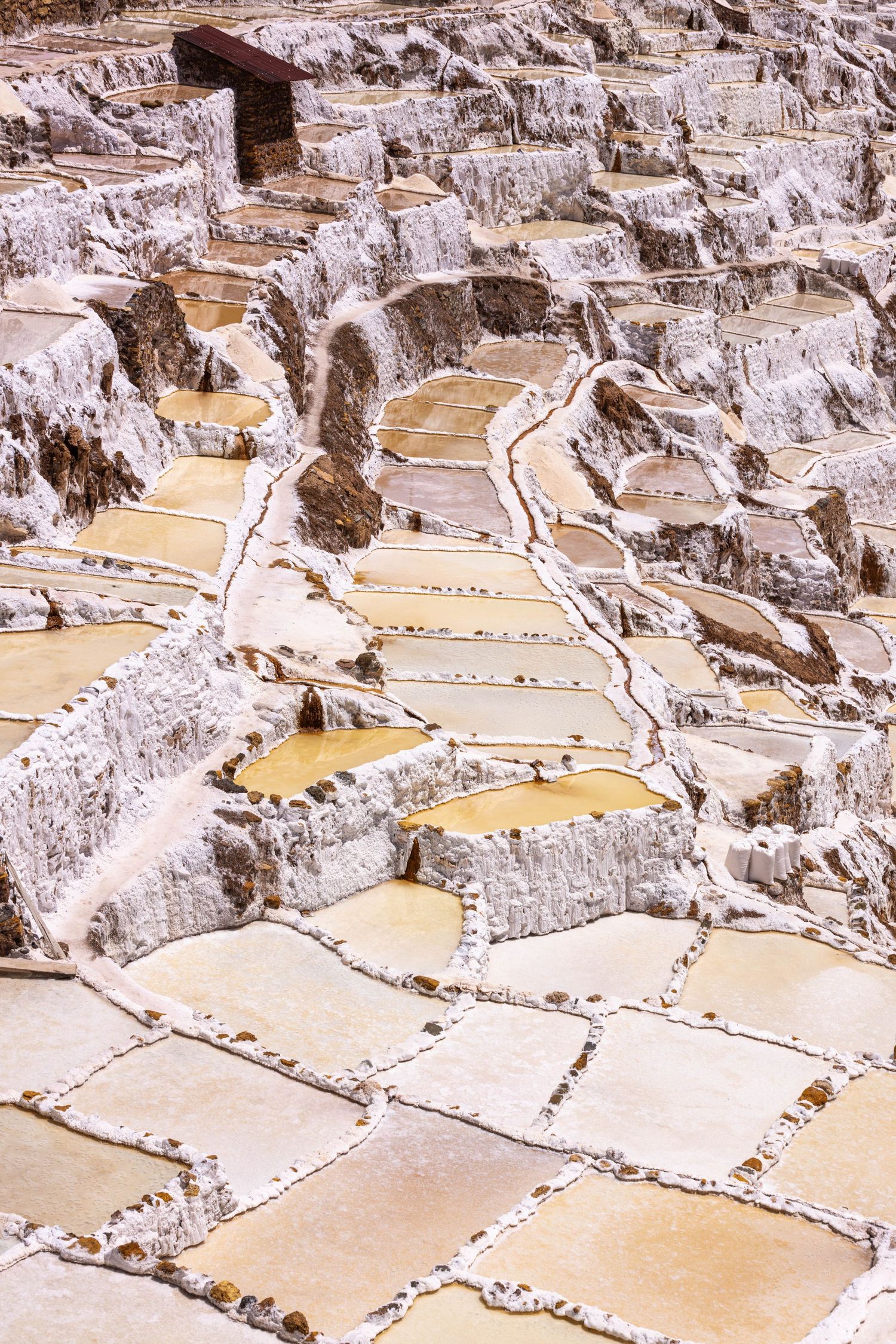
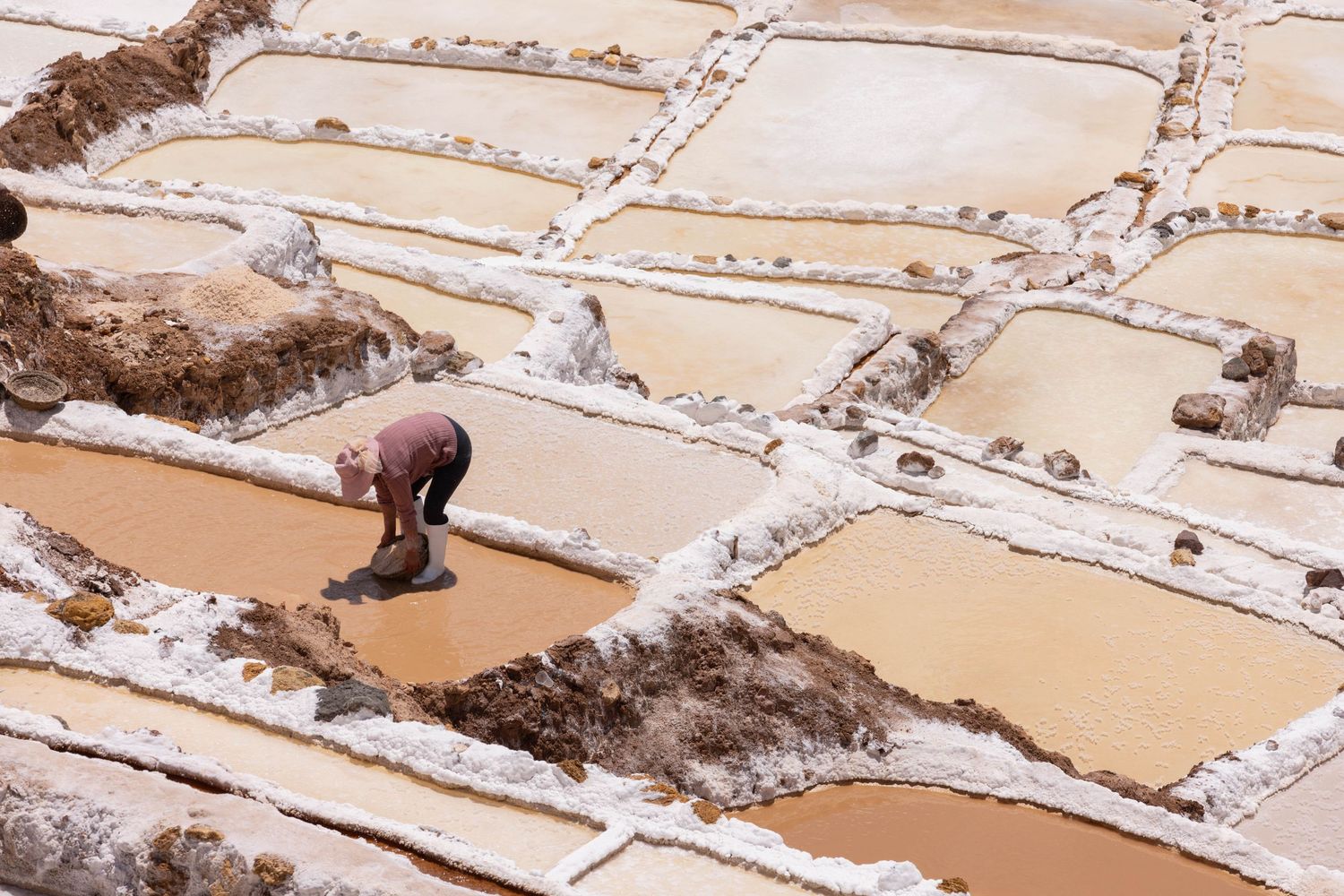
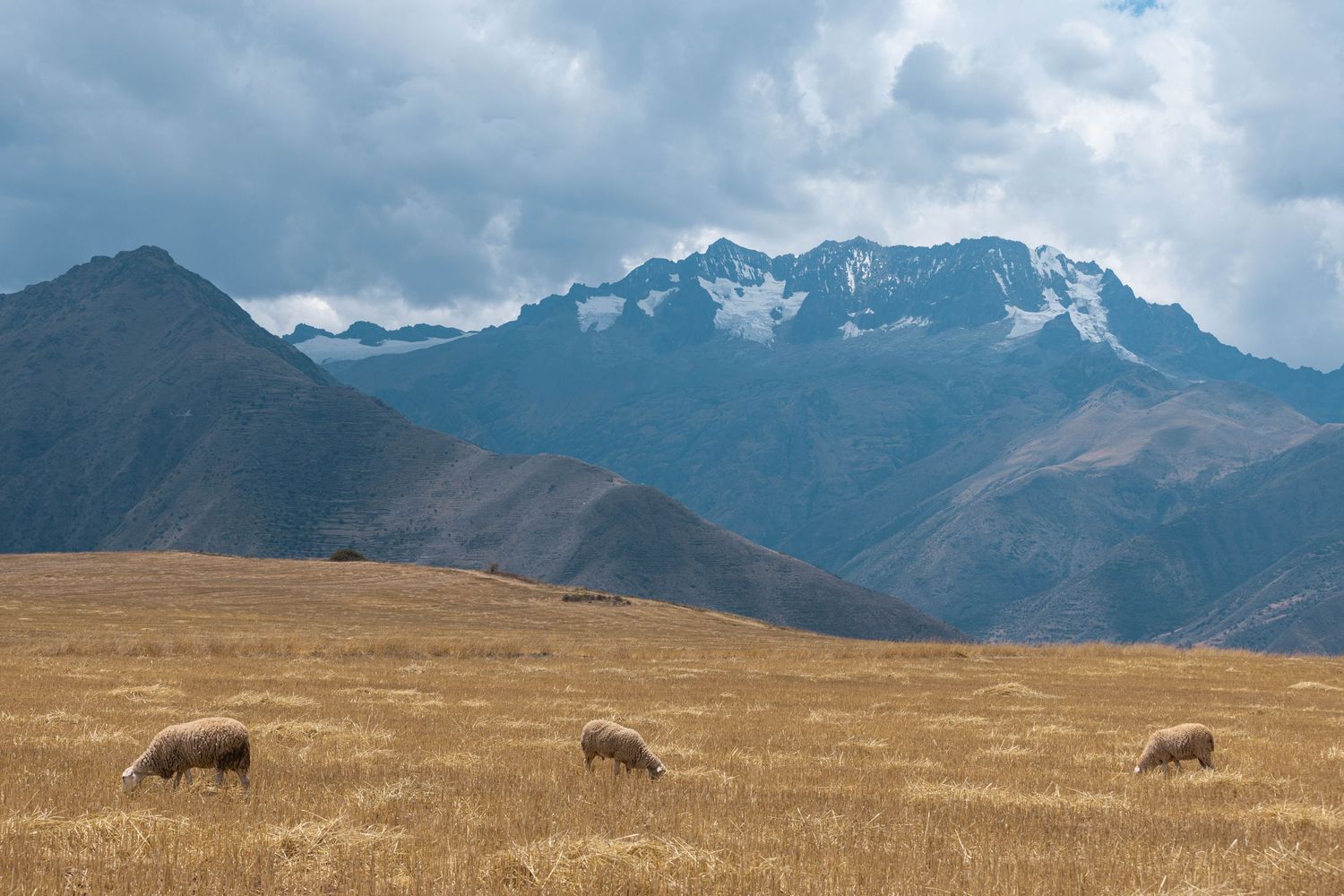
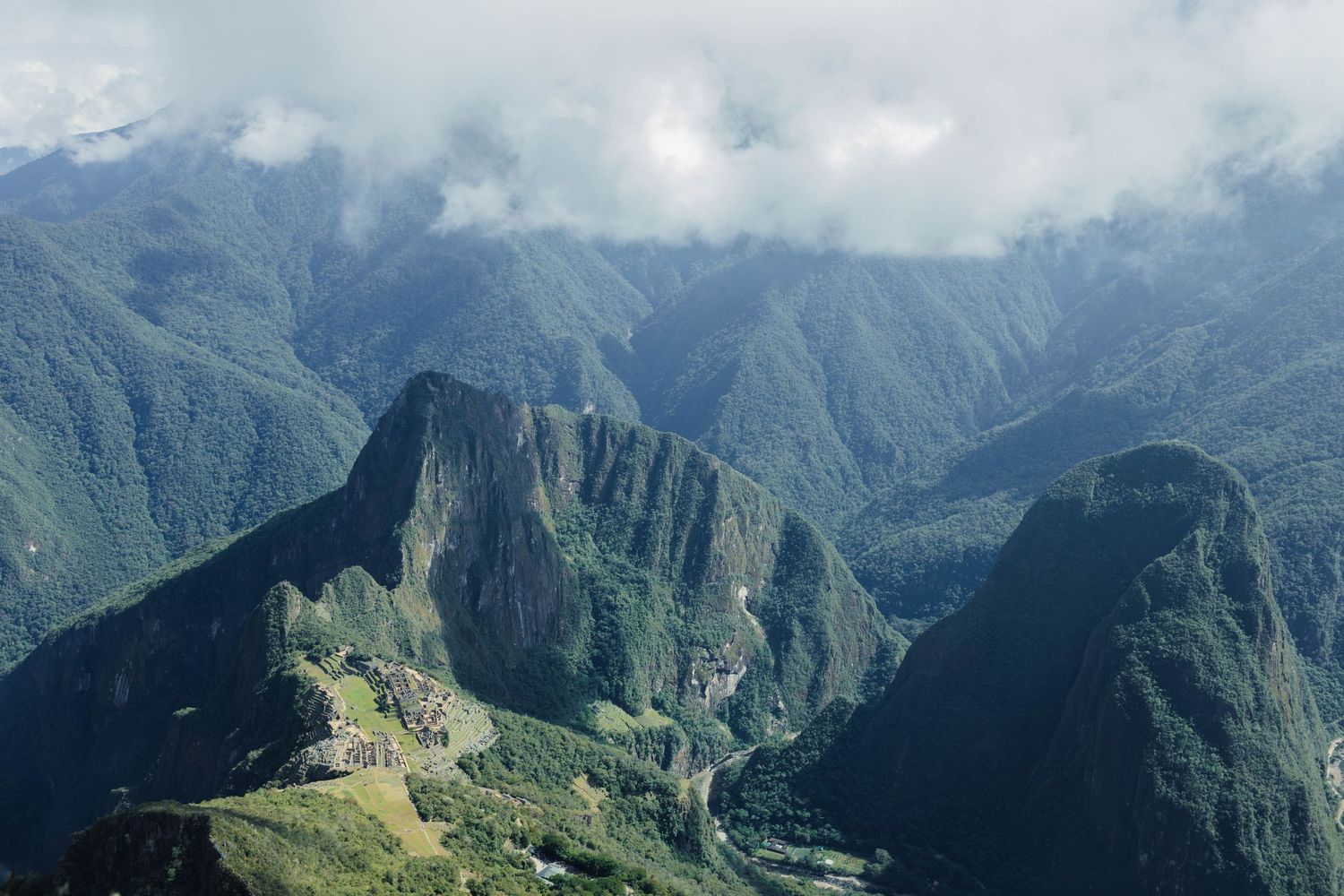
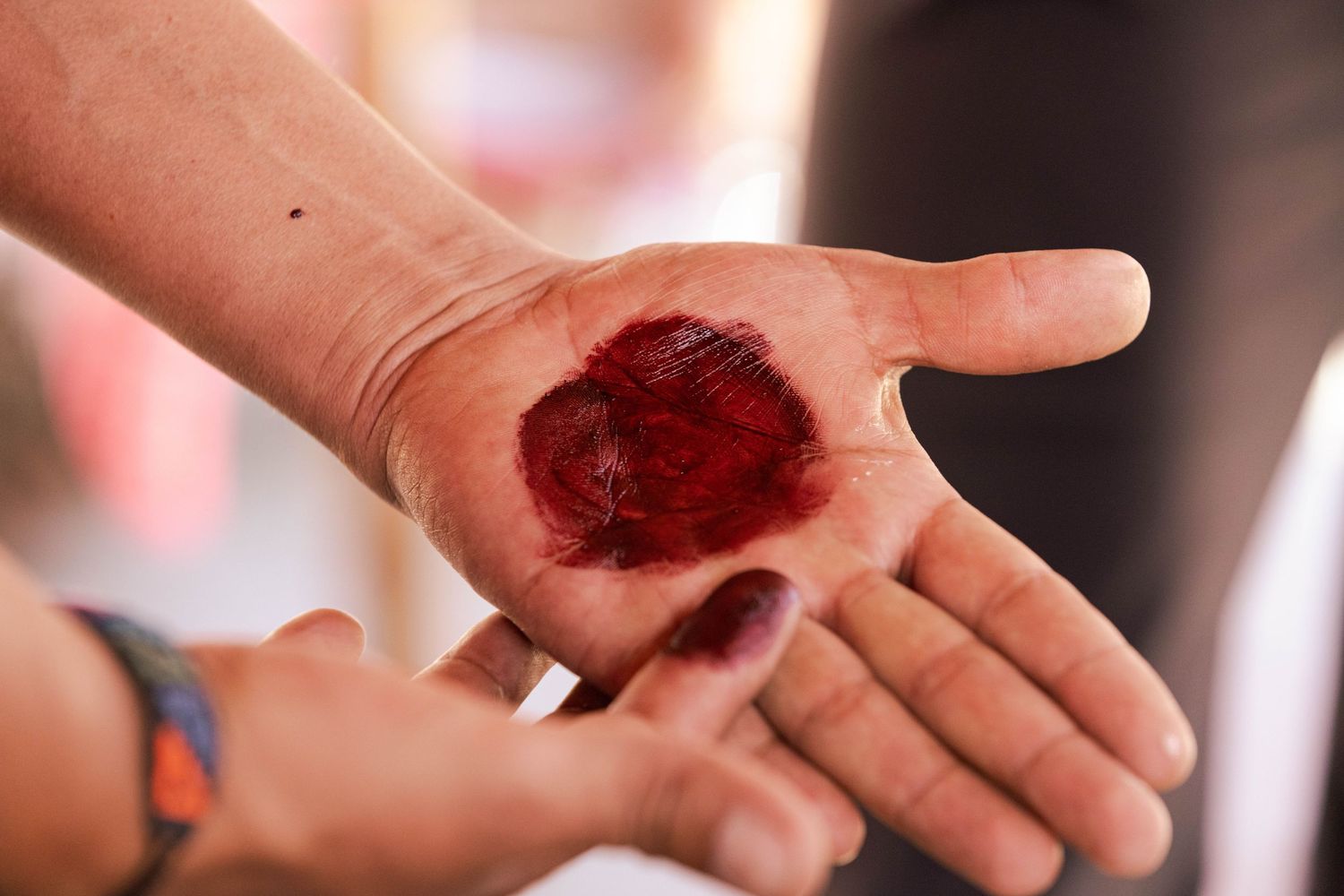
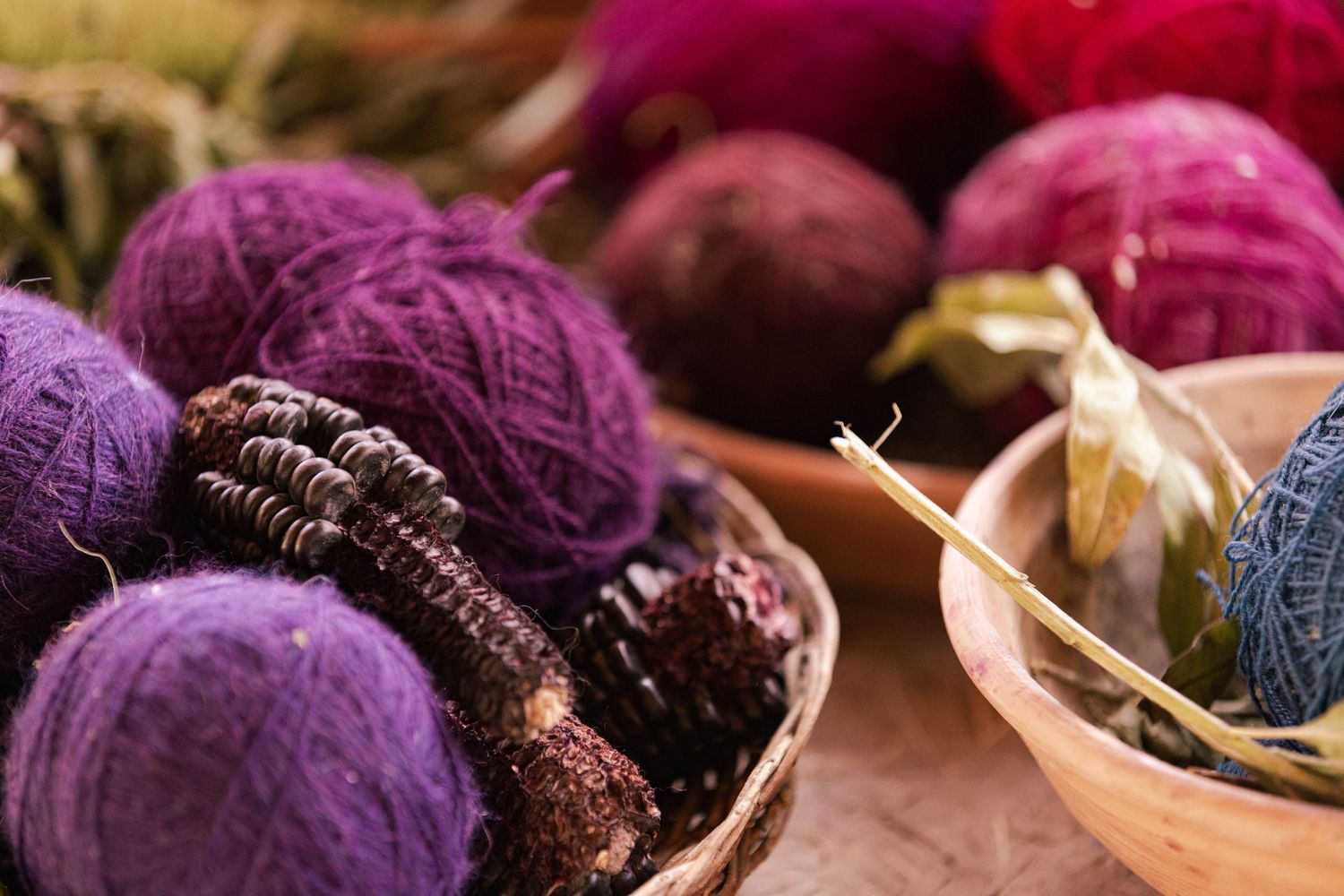
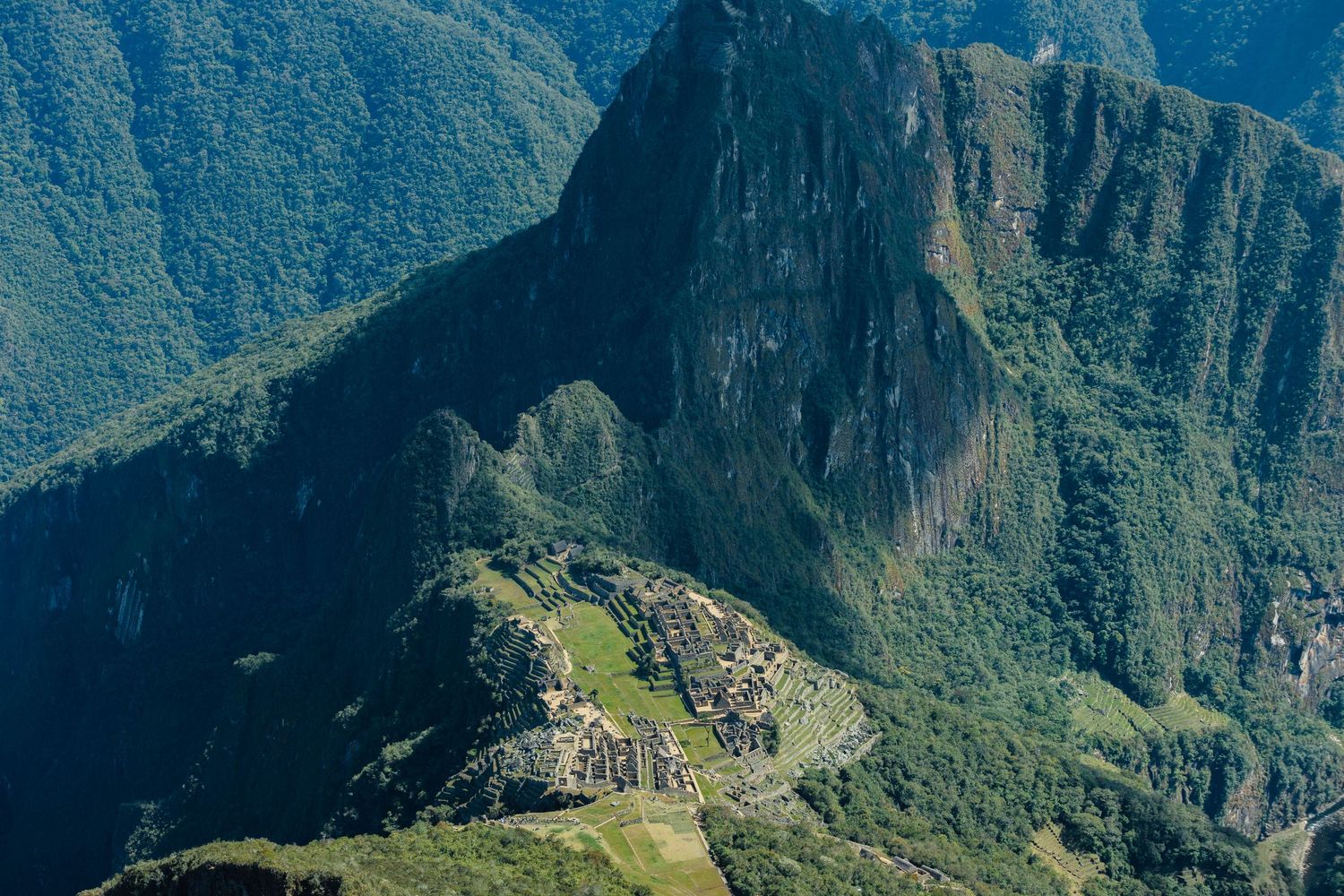
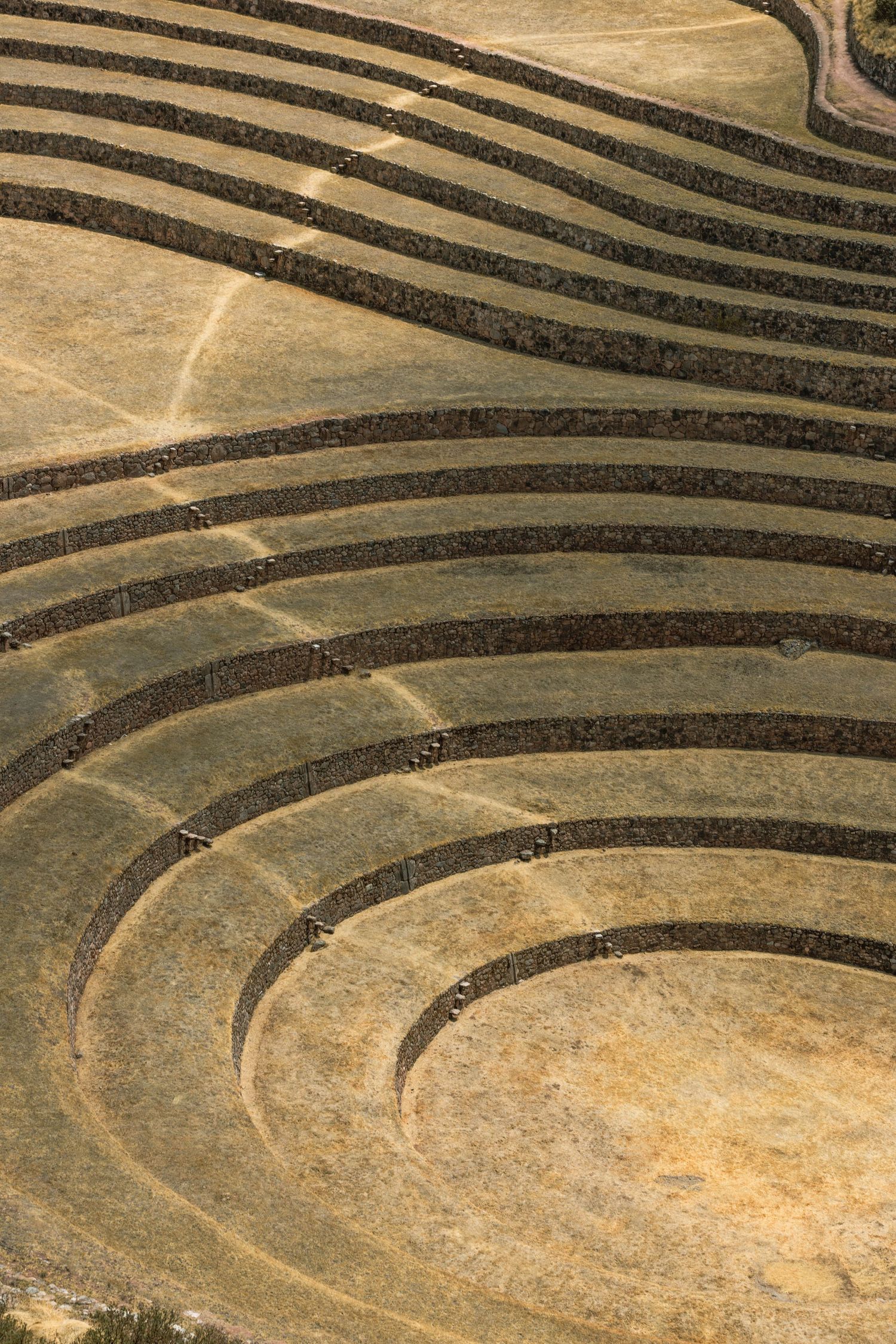
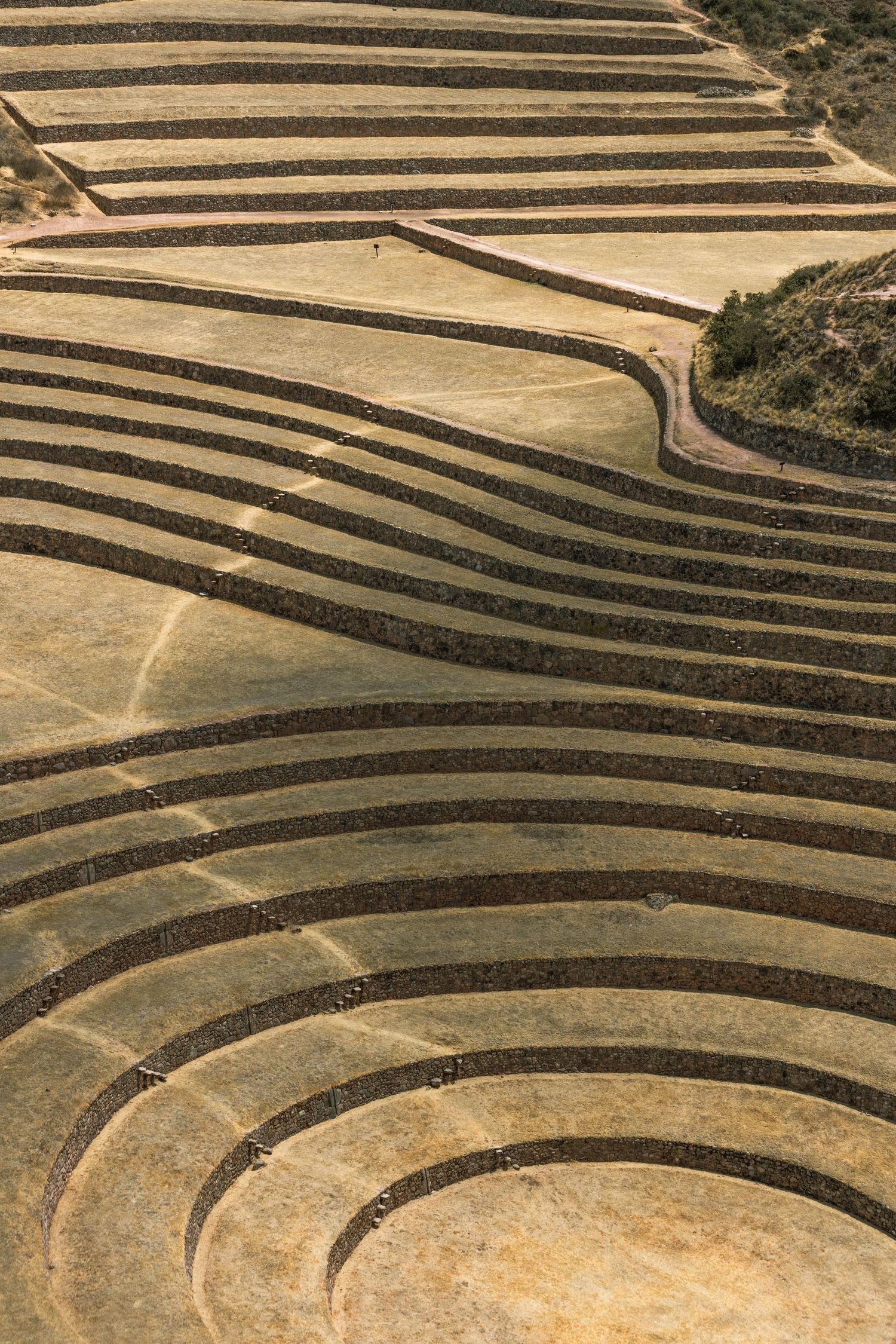
The landscapes reveal a constant dialogue between man and nature. At the salt mines, terraces carve geometric patterns into the mountainside, shaped by both the natural flow of water and human intention. Similar patterns appeared to me throughout the country—in woven textiles, agricultural terraces, and the Quechua women’s traditional patterns of Pacha Mama. Everywhere, nature and human hands seem to overlap.