SAPA
CASTLES IN THE SKY
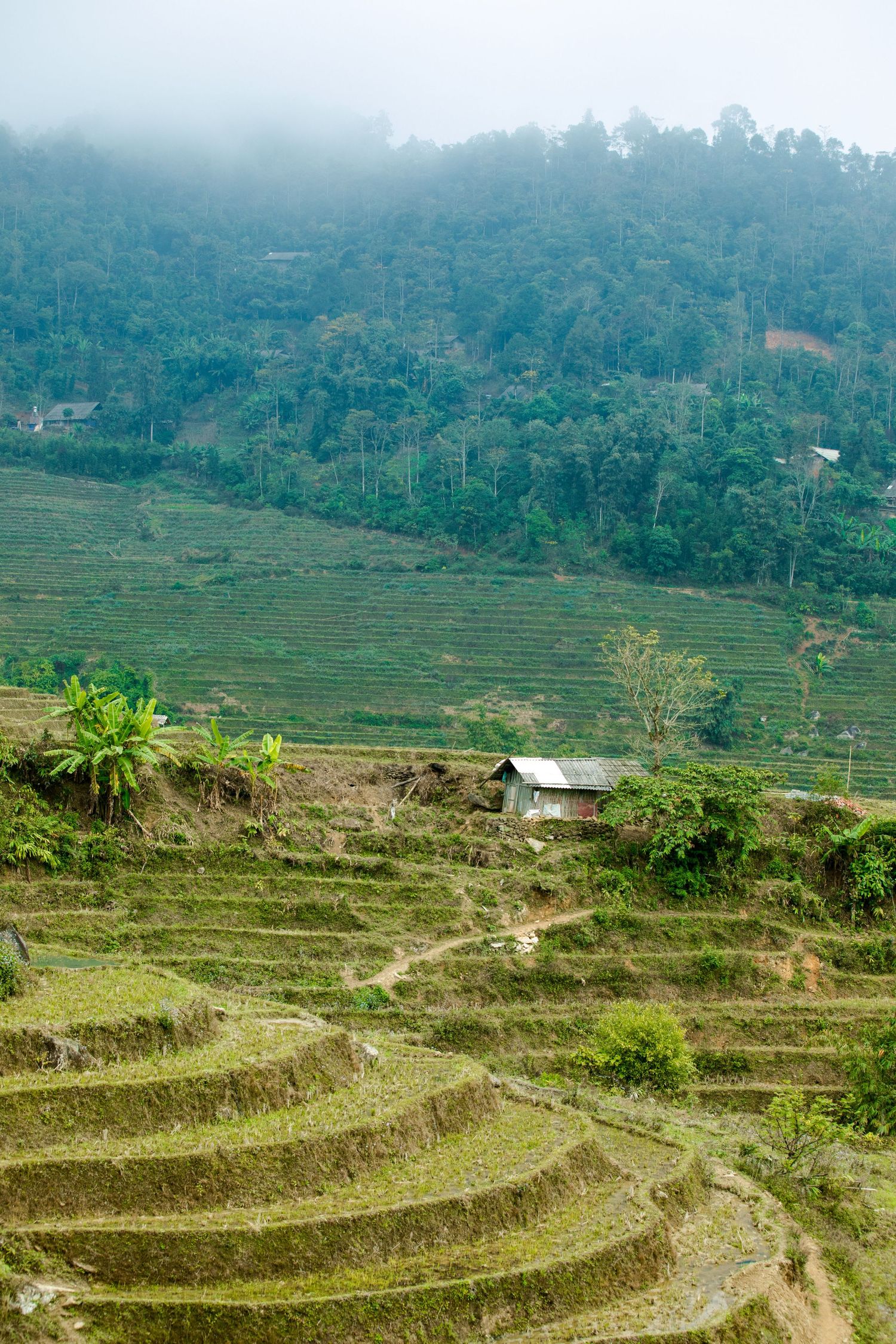
The peaceful quiet of Sapa was gently interrupted by stirring sounds of the village beginning to wake. The news, morning chatter, and sounds of cowbells echoed through the mountain mist. The traditional two-stringed Đàn nguyệt guitars played in the distance transported me to another time. And I wondered if my granny woke up with these peaceful feelings as a child before she was forced South.
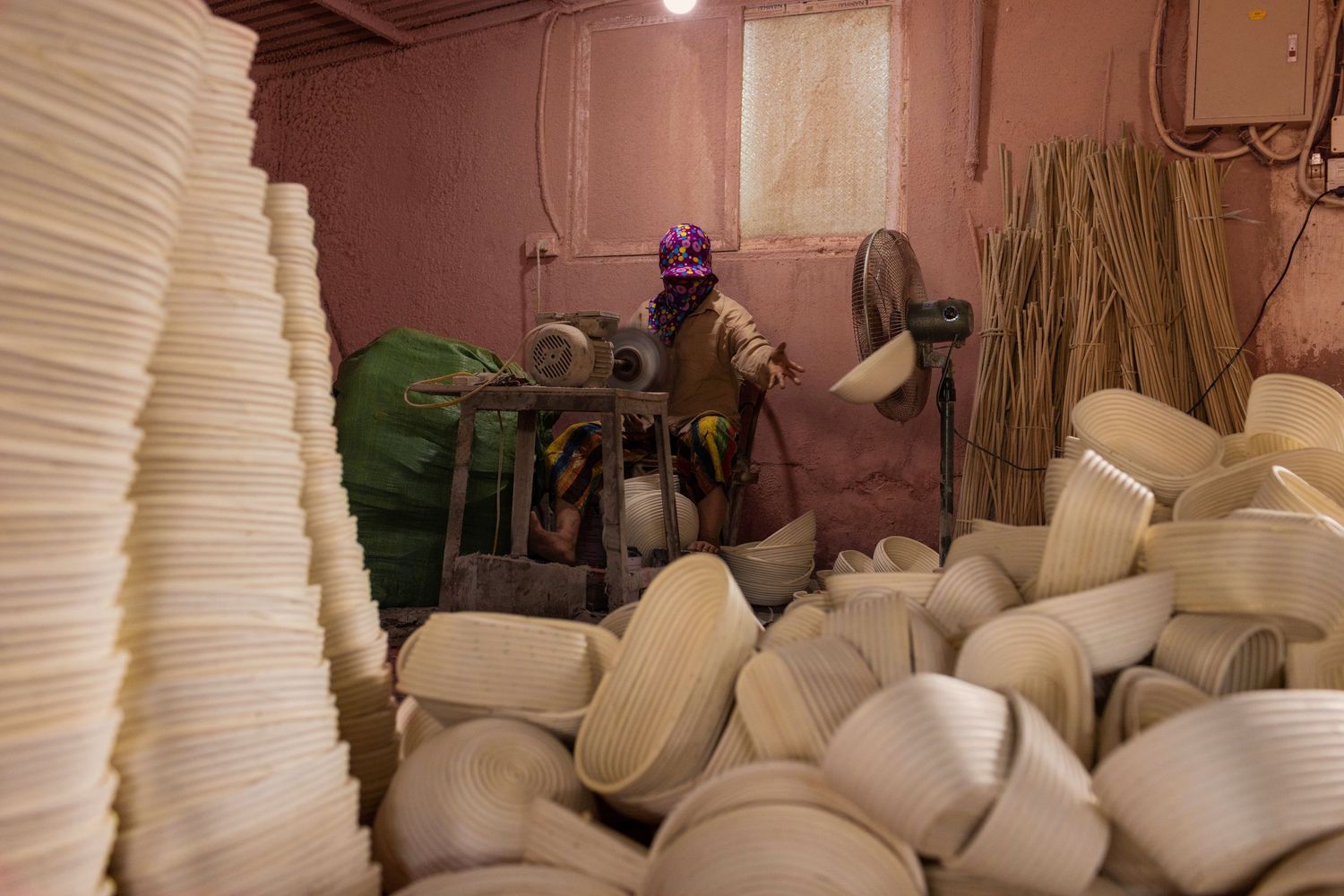
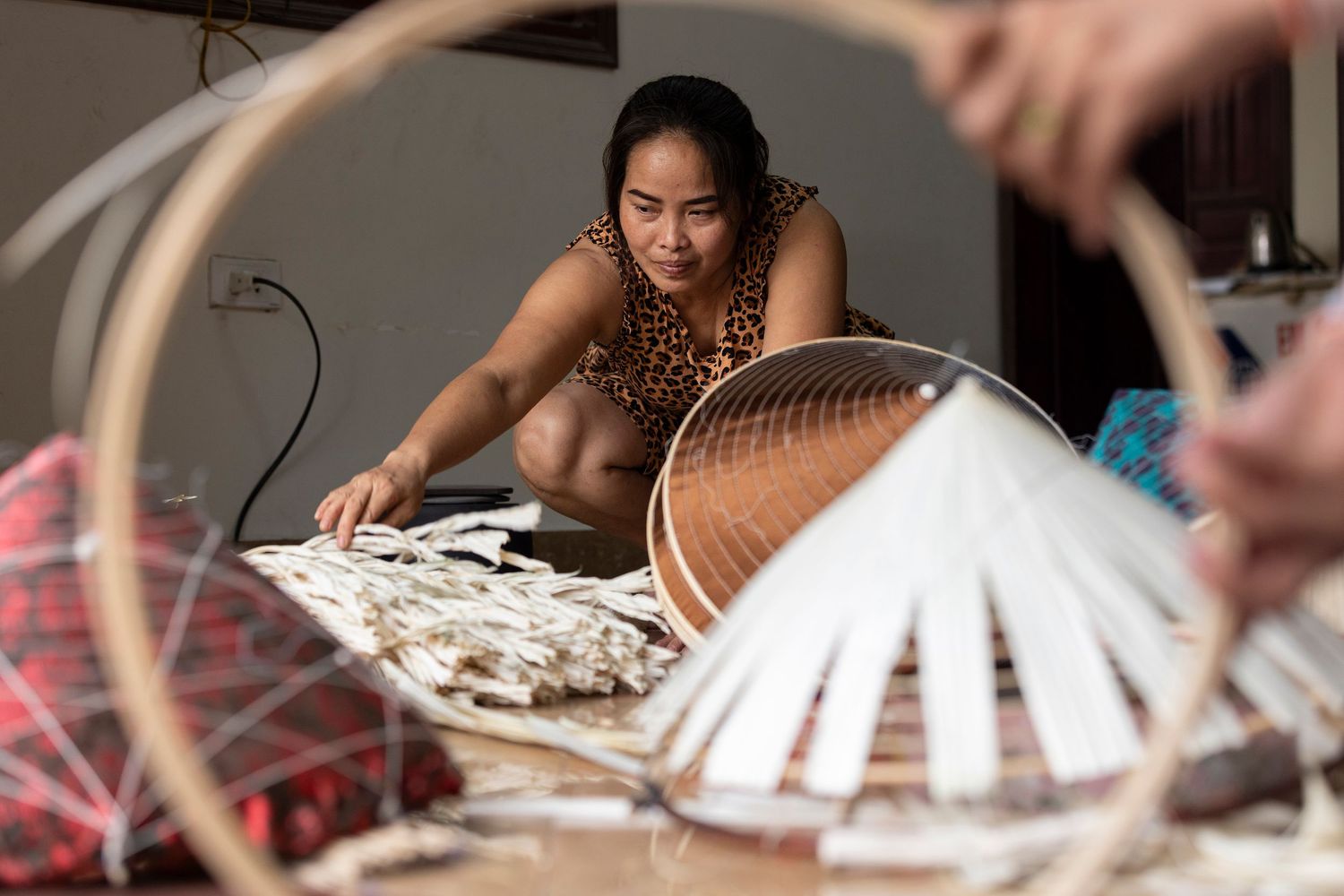
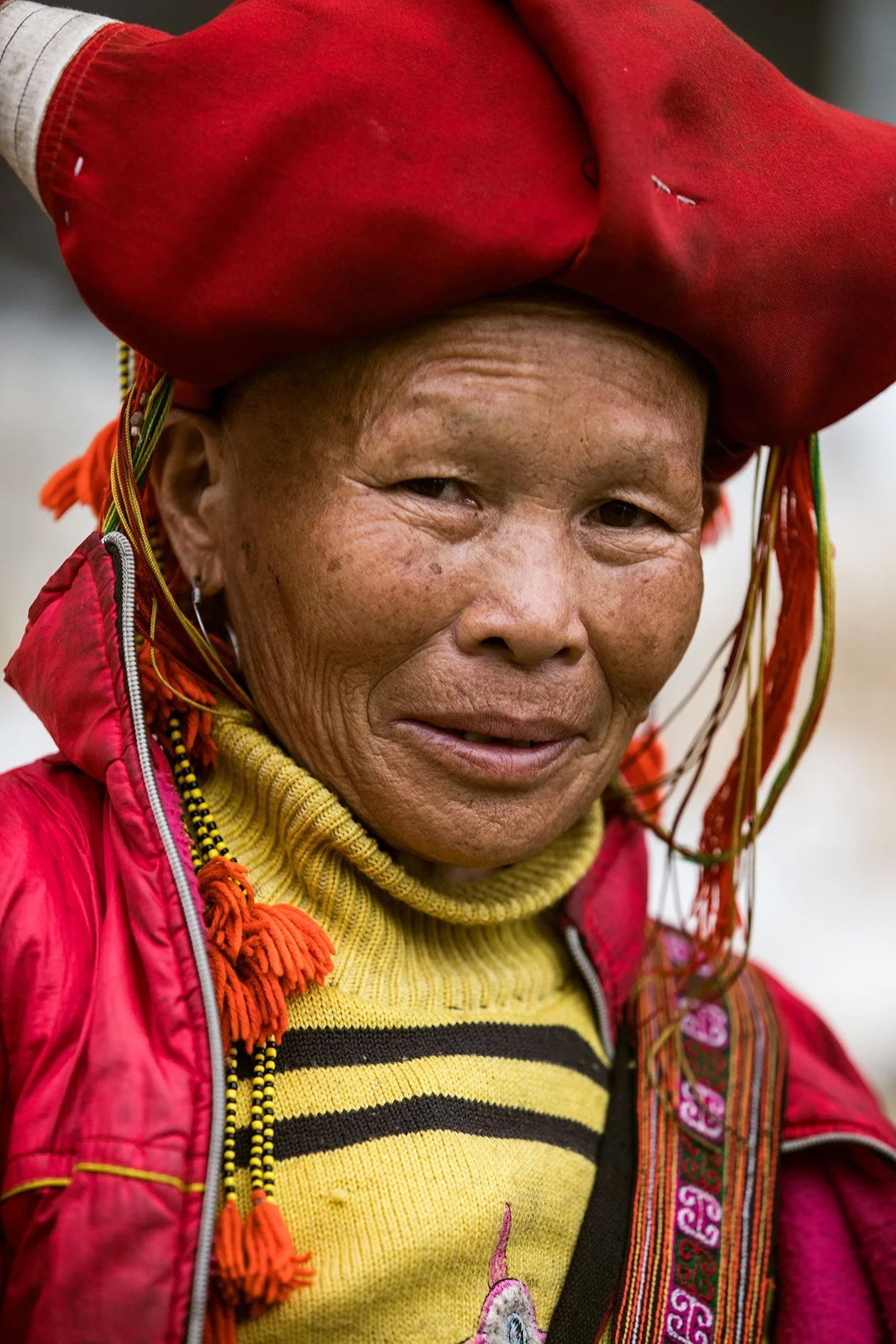
The Red Dao people live in the area. Lowly status but more advanced than me. They are almost all trilingual artists, farmers and craftsmen. They tell us that they love what visitors do for the economy but worry that their children will forget about their culture now that TikTok has taken over their humble abodes.
We were invited into the home of a proud woman. Although cold and mostly empty, the warmth that she and her friends showed us was comforting. And the small cup of rice wine that brought a heat to my chest will always live in my heart.
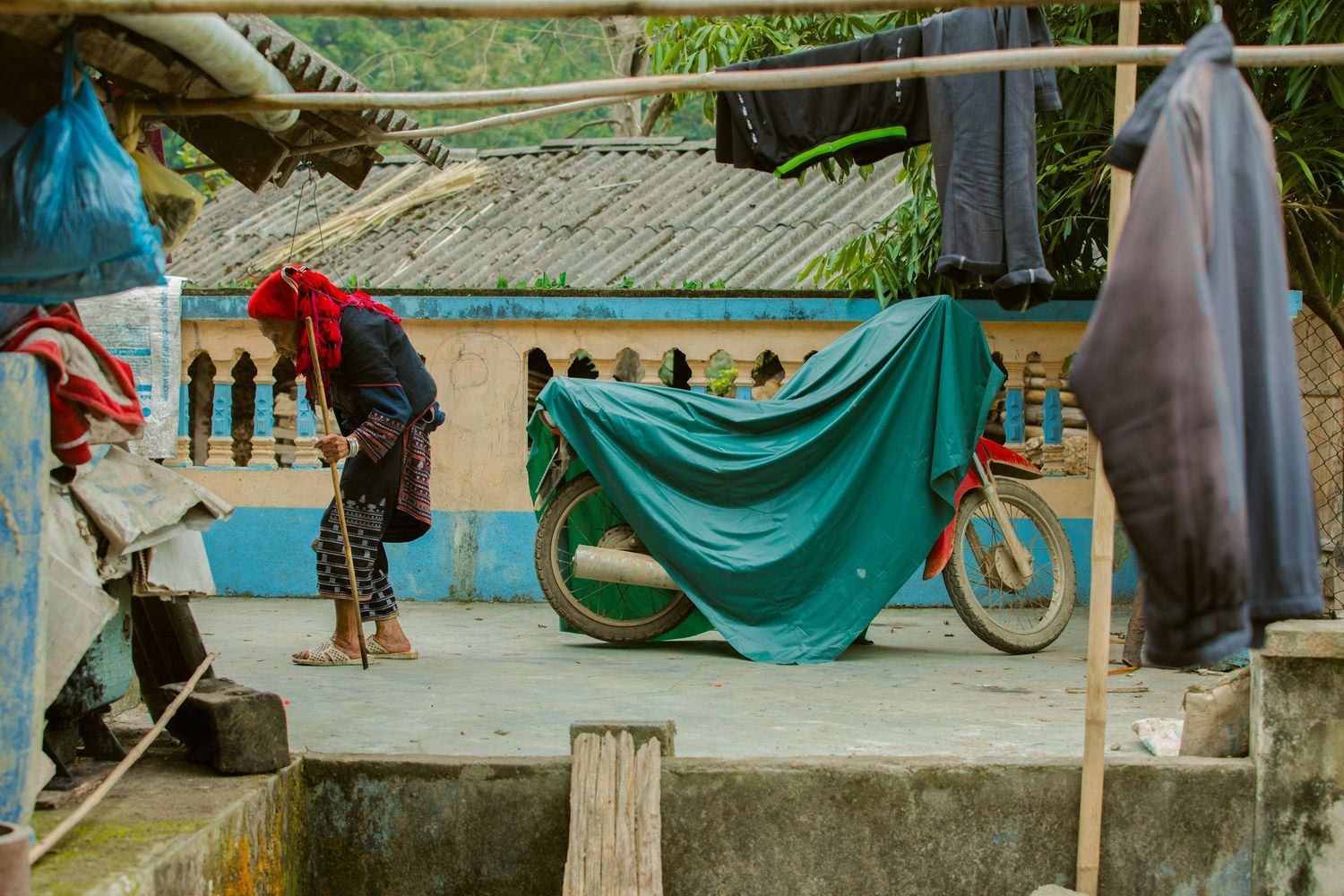
i heard stories of my GREAT-GRANDMOTHER traveling south during the Geneva Accords. I traveled north to find her roots.
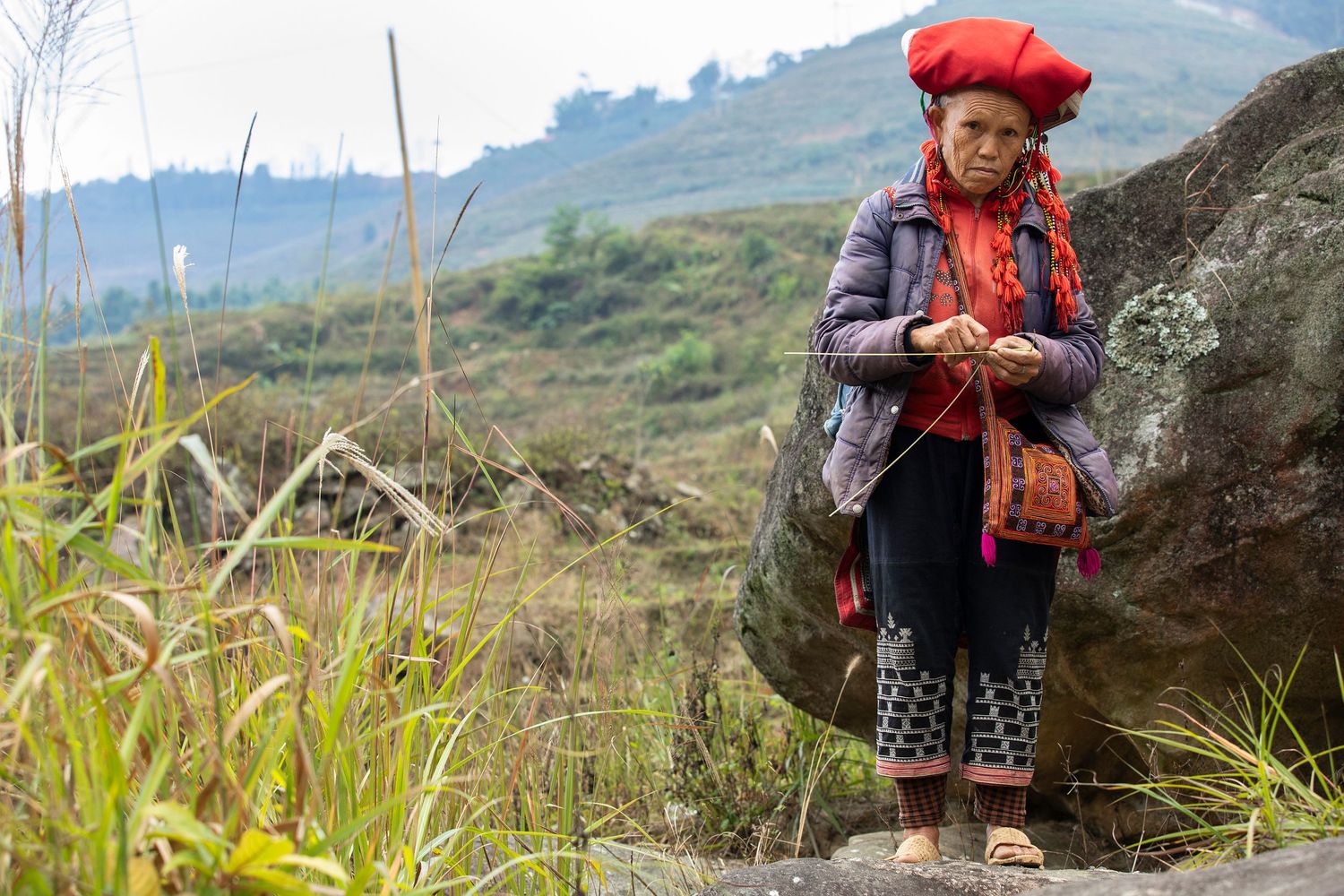
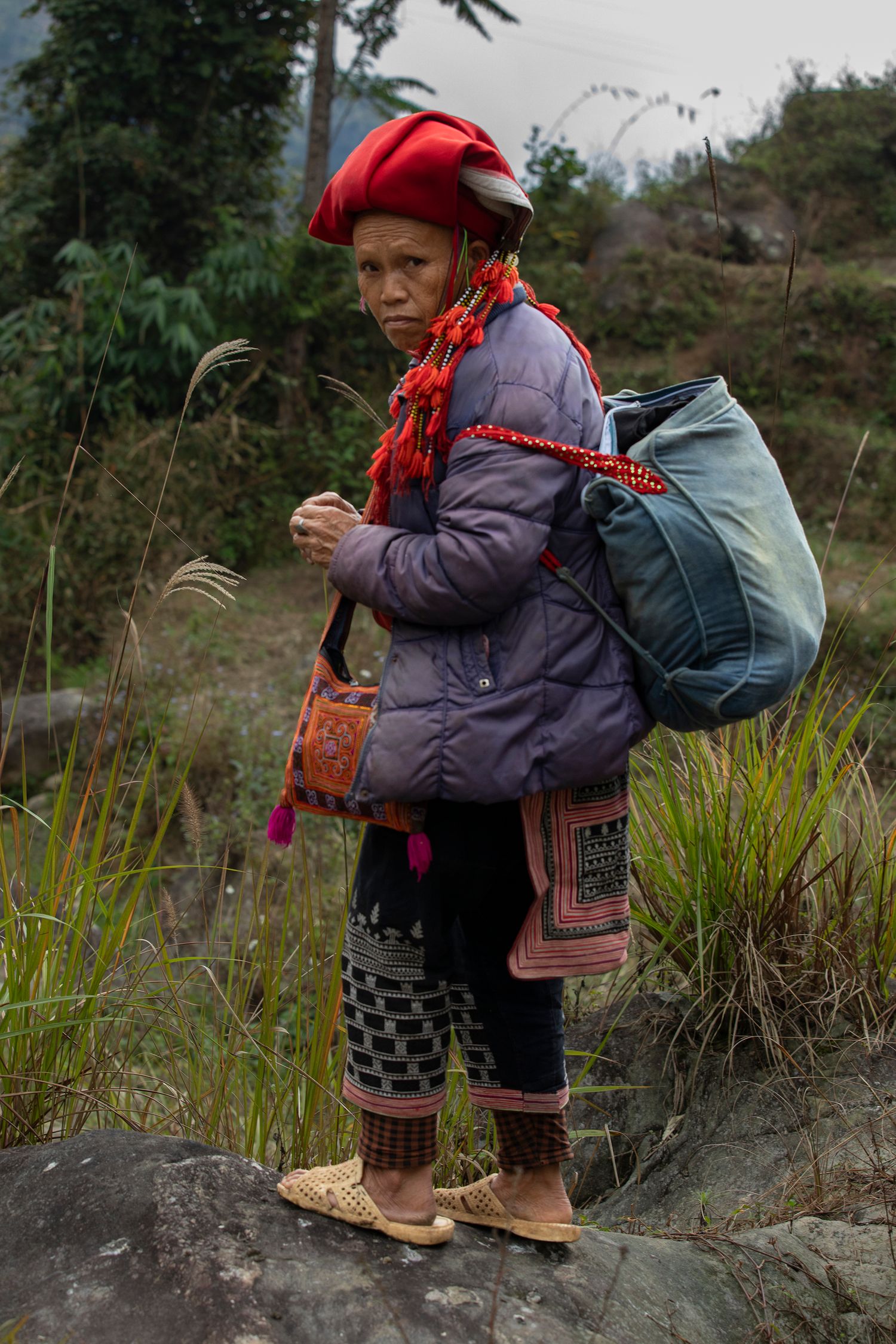
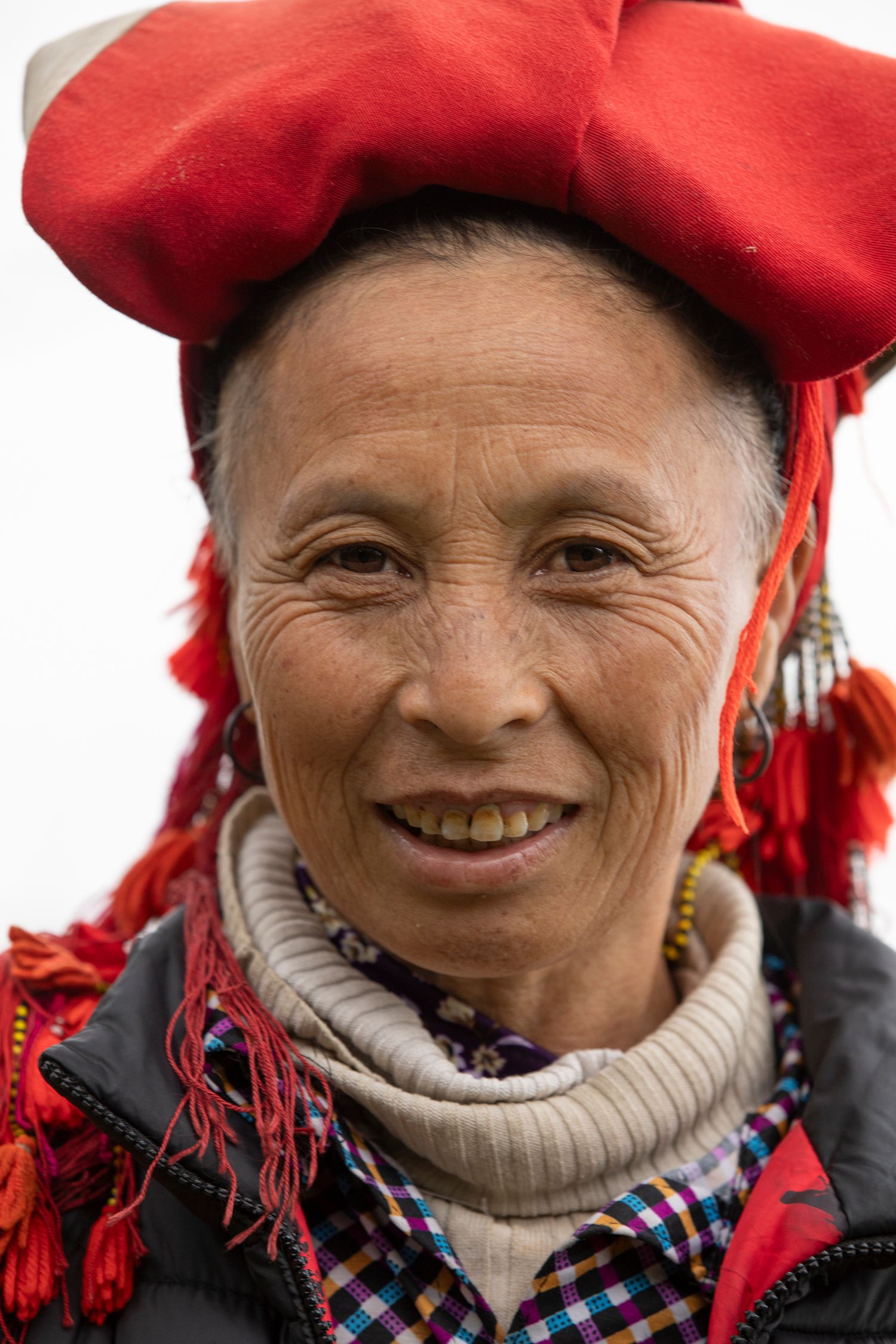
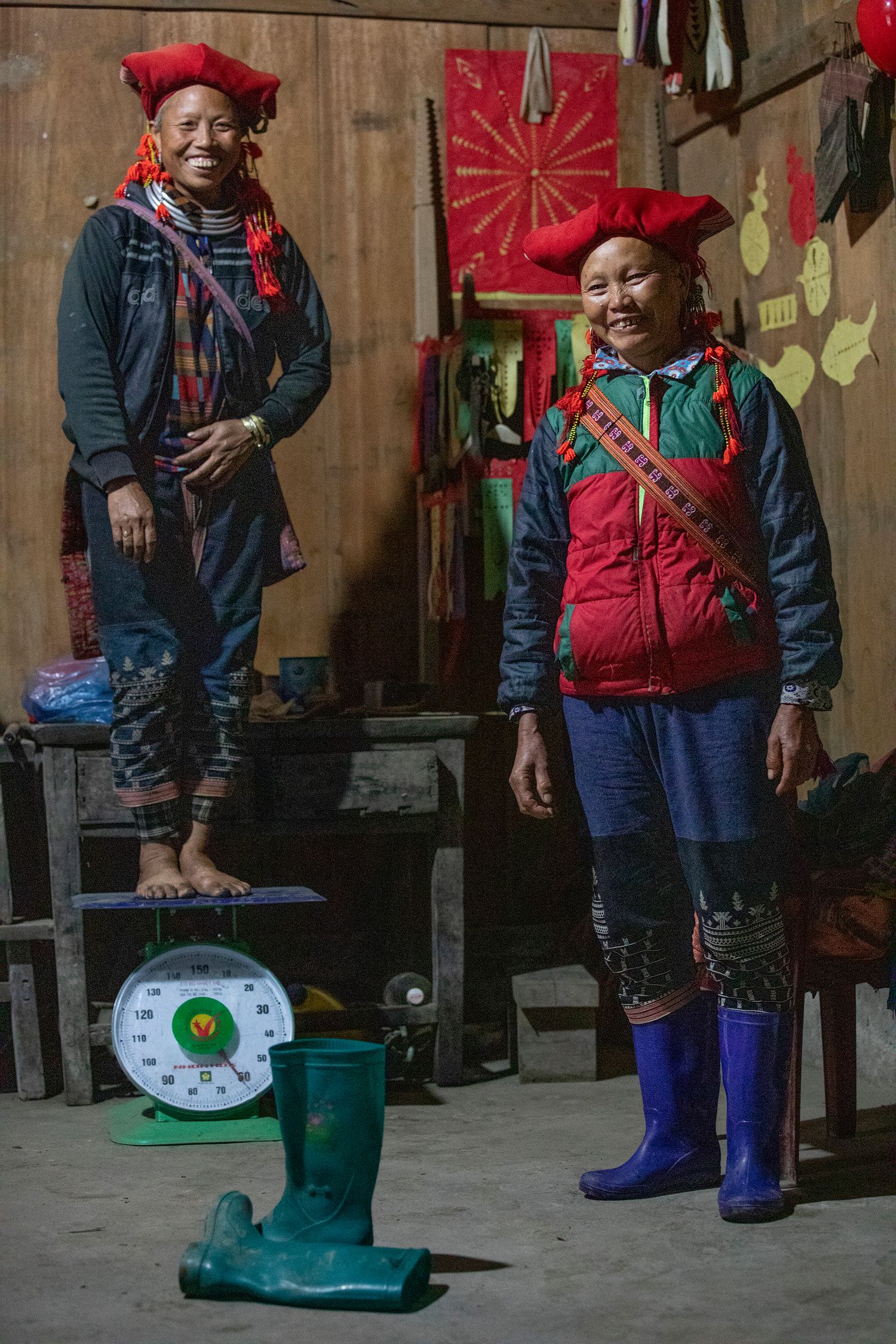
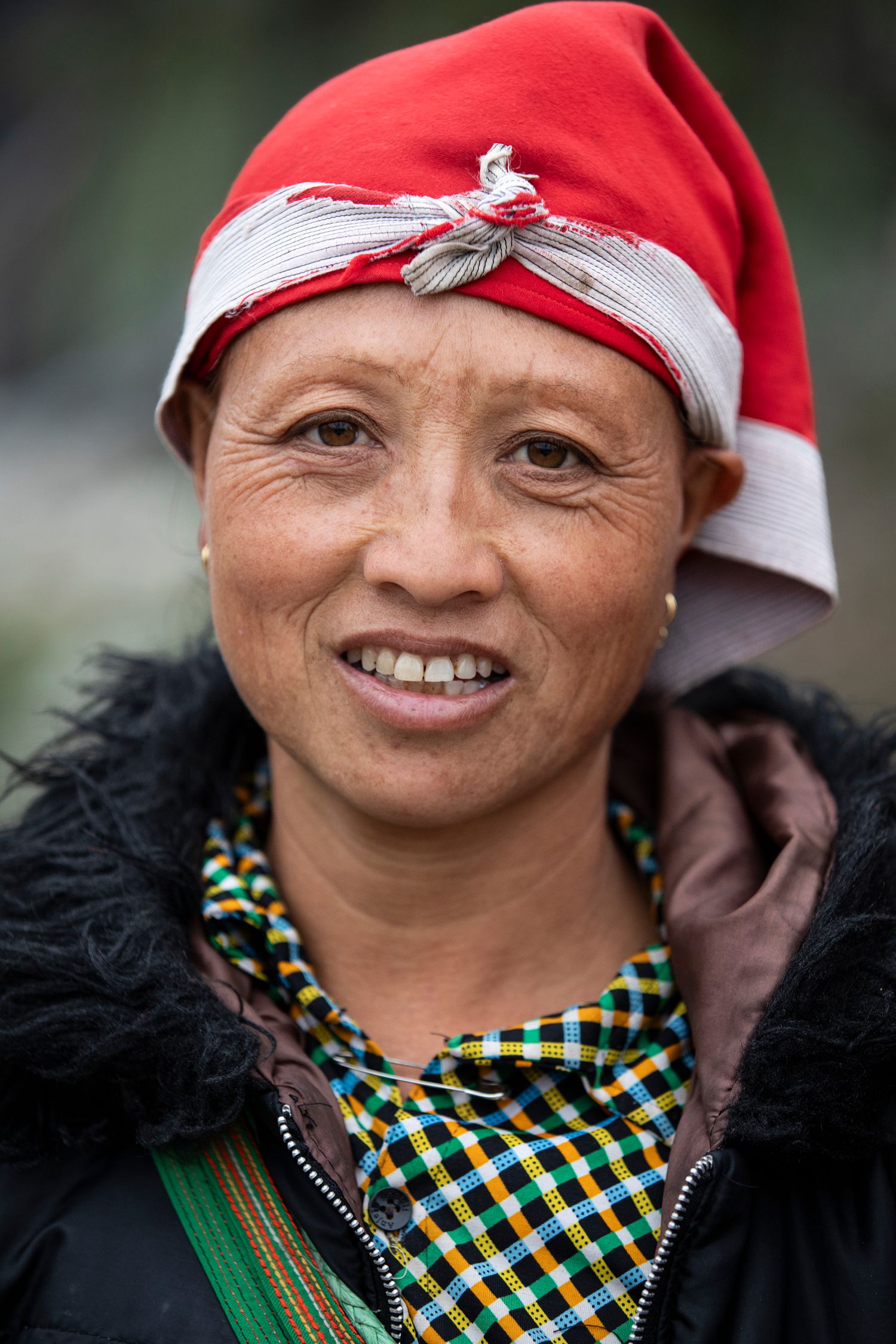
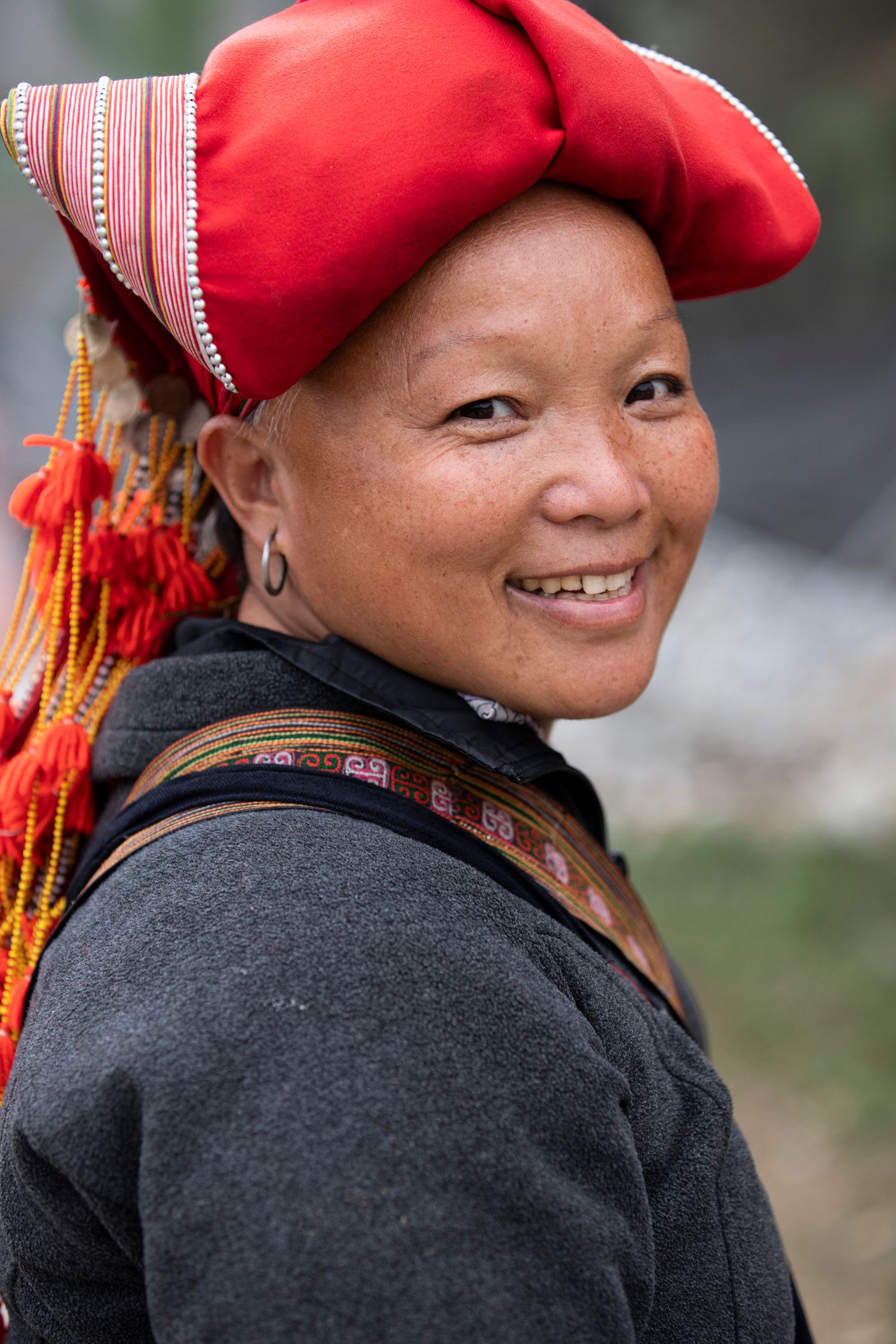
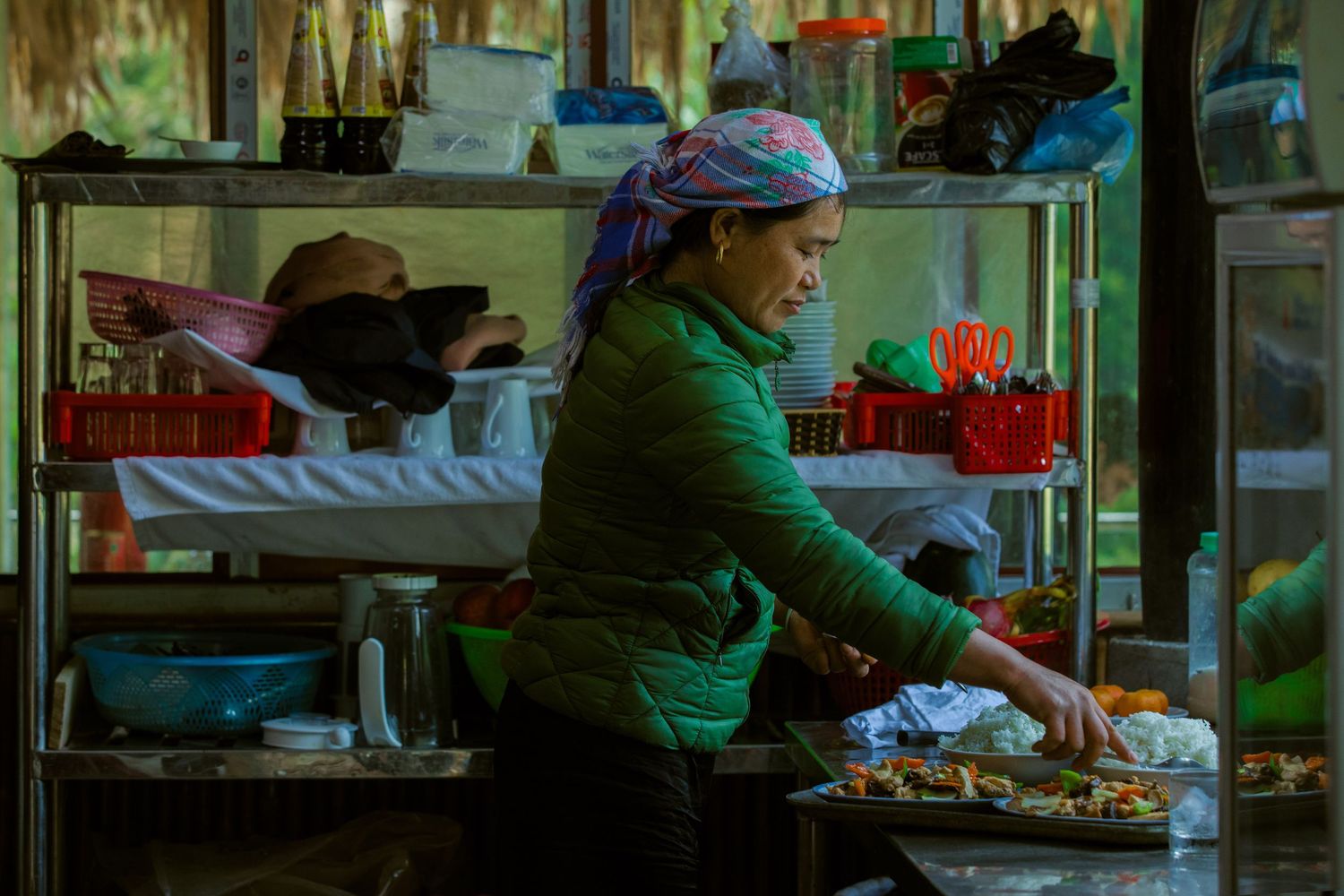
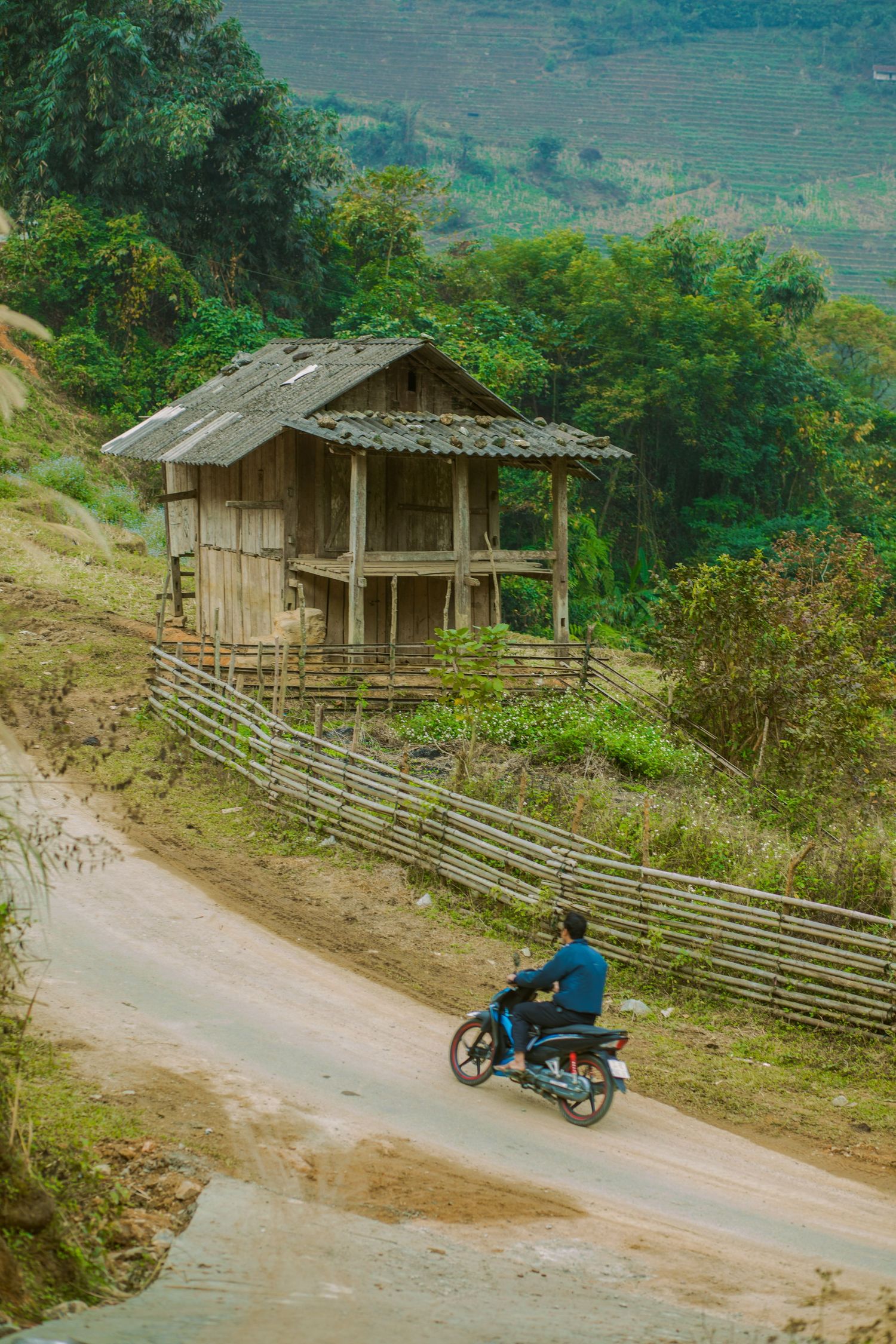
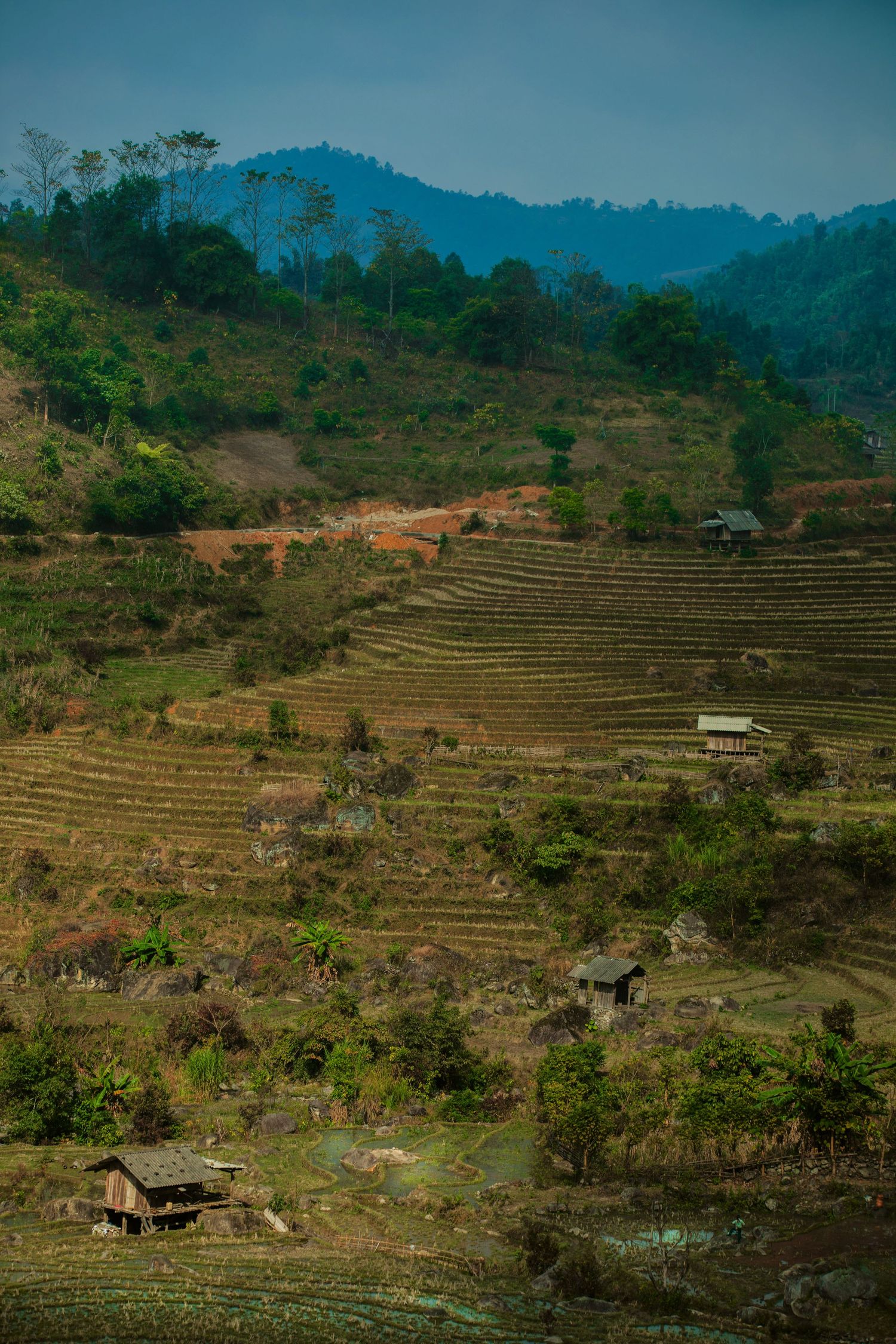
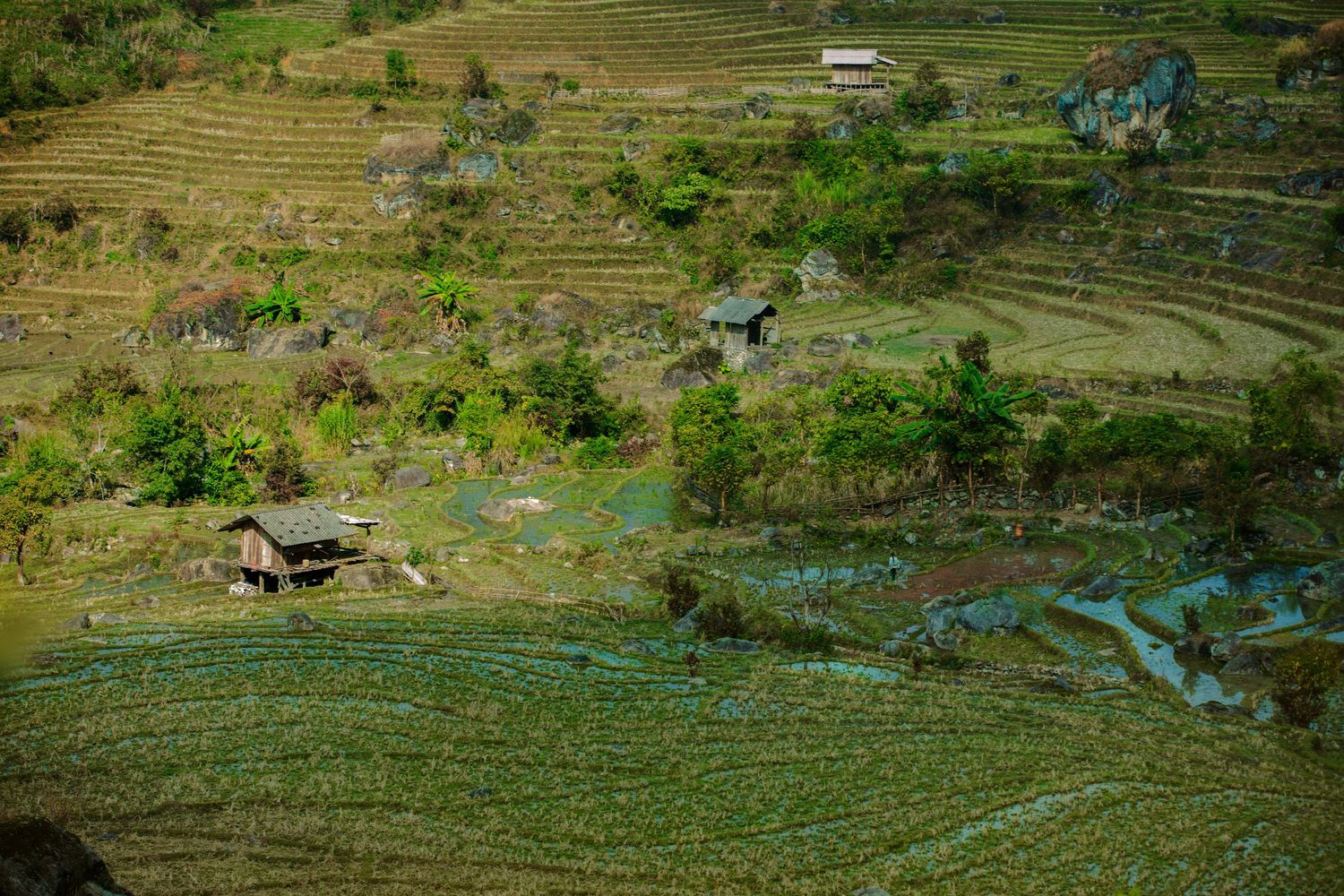
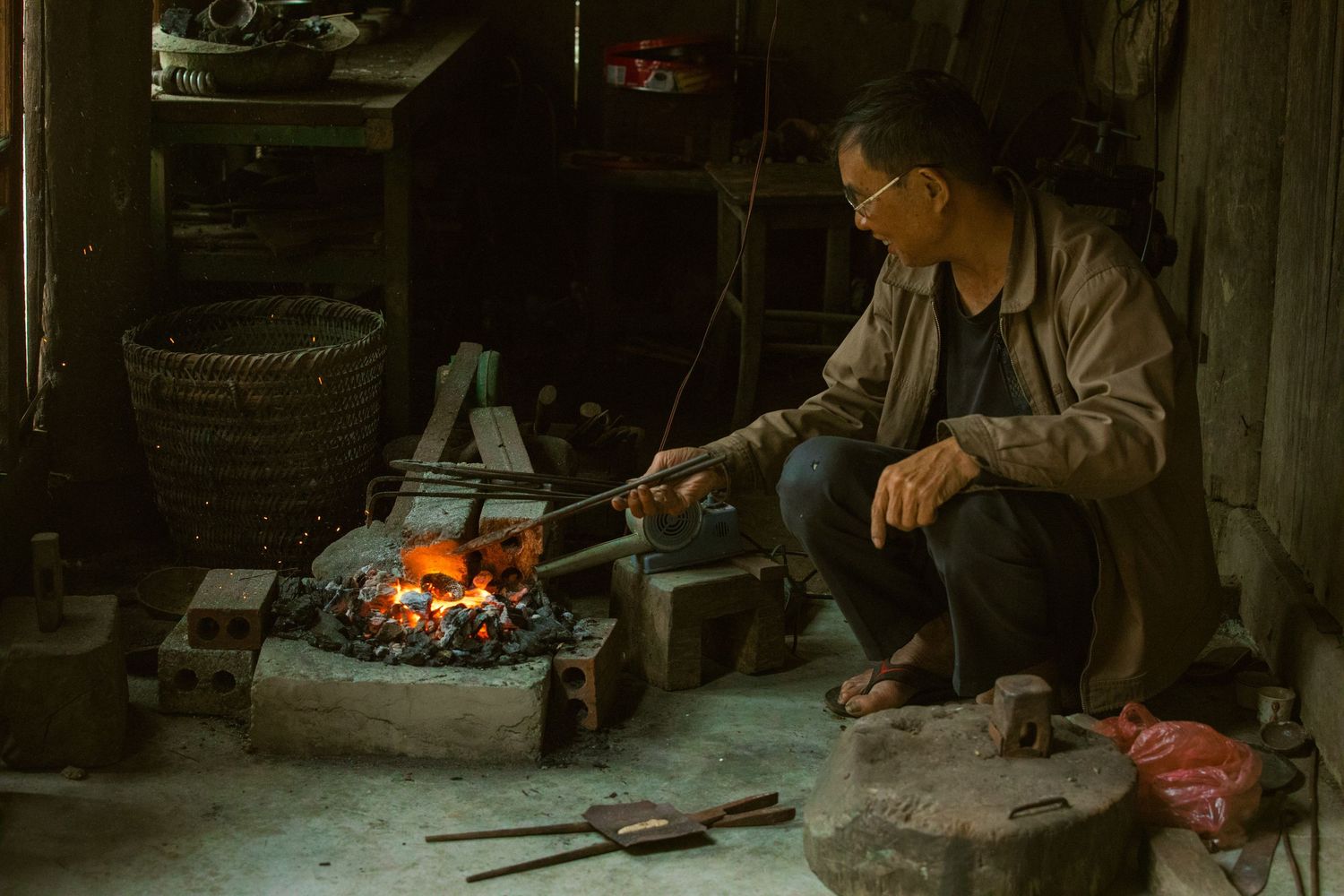
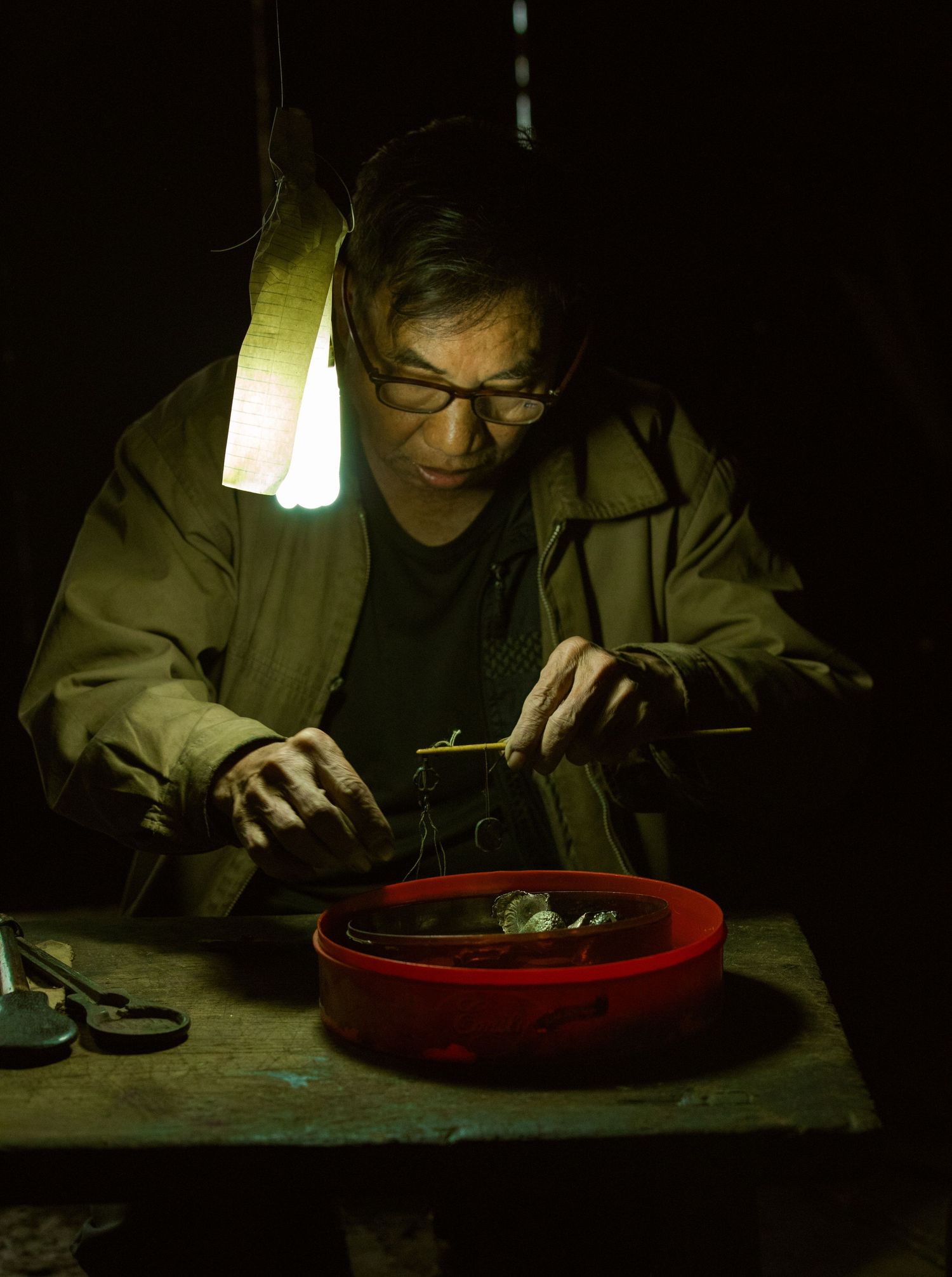
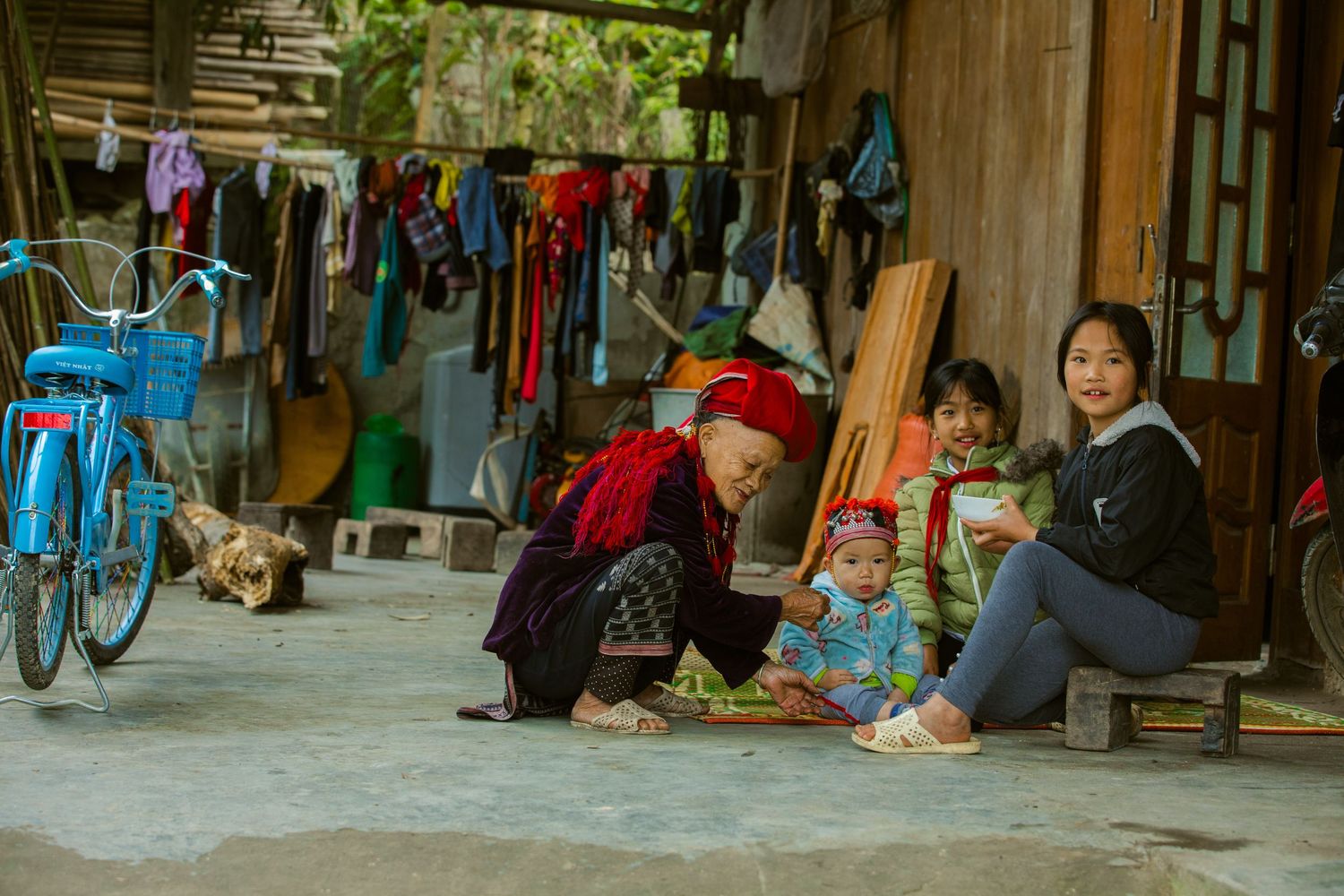
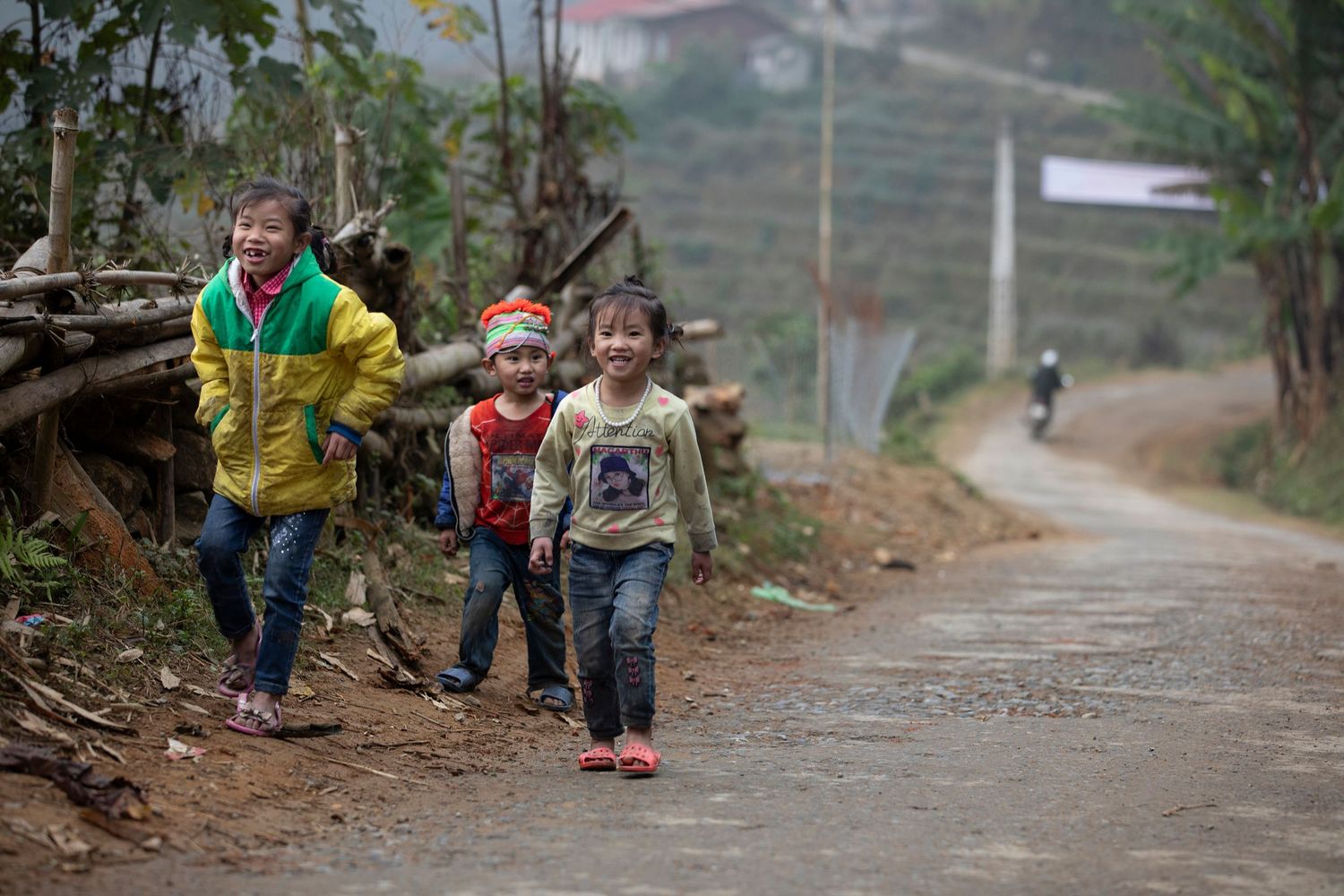

There is a visible confidence and autonomy in the way Vietnamese women move through society—a quiet but unmistakable social standing that distinguishes Vietnam from more traditionally Confucian cultures in the region.
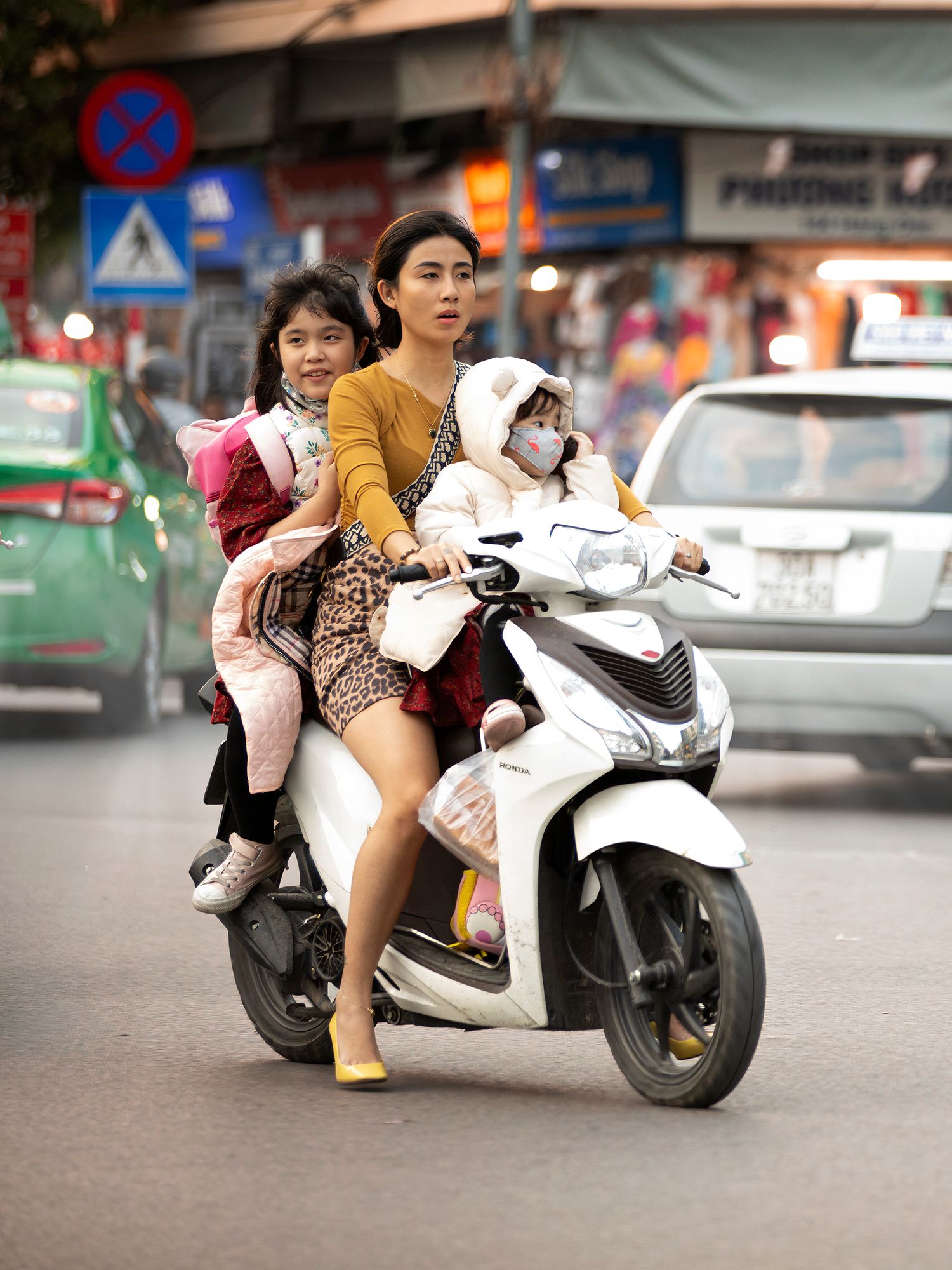
Hanoi
A familiar feeling
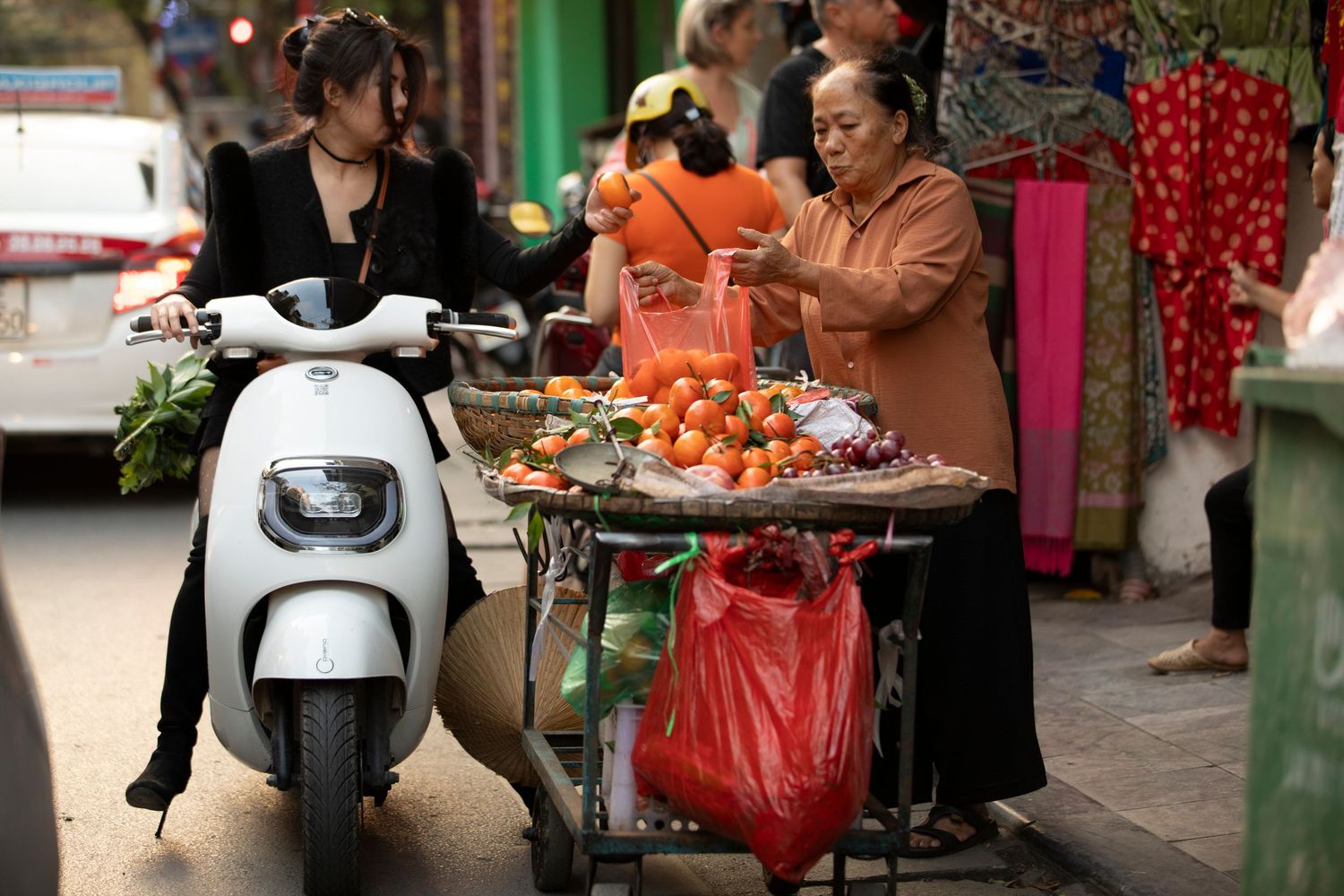
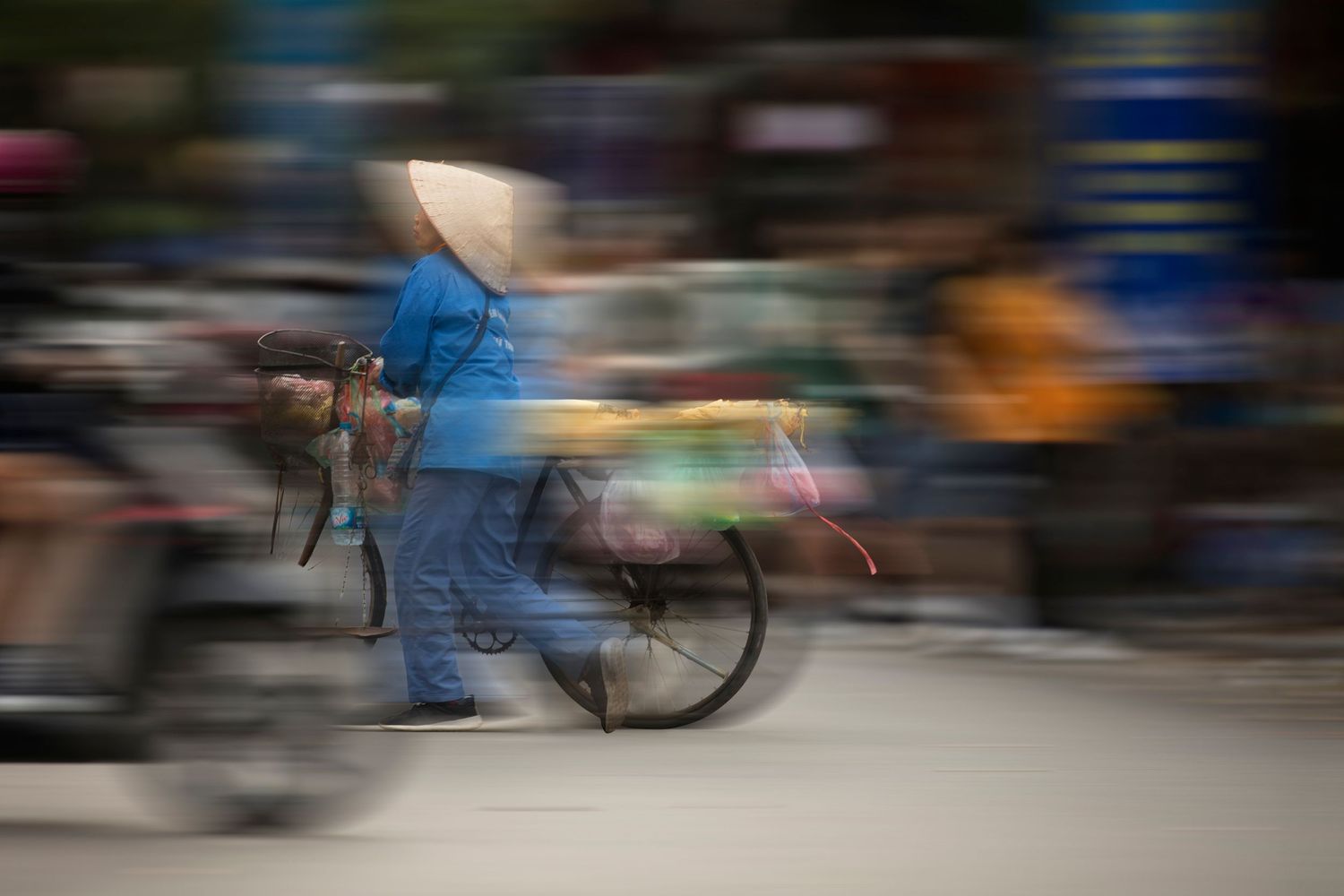
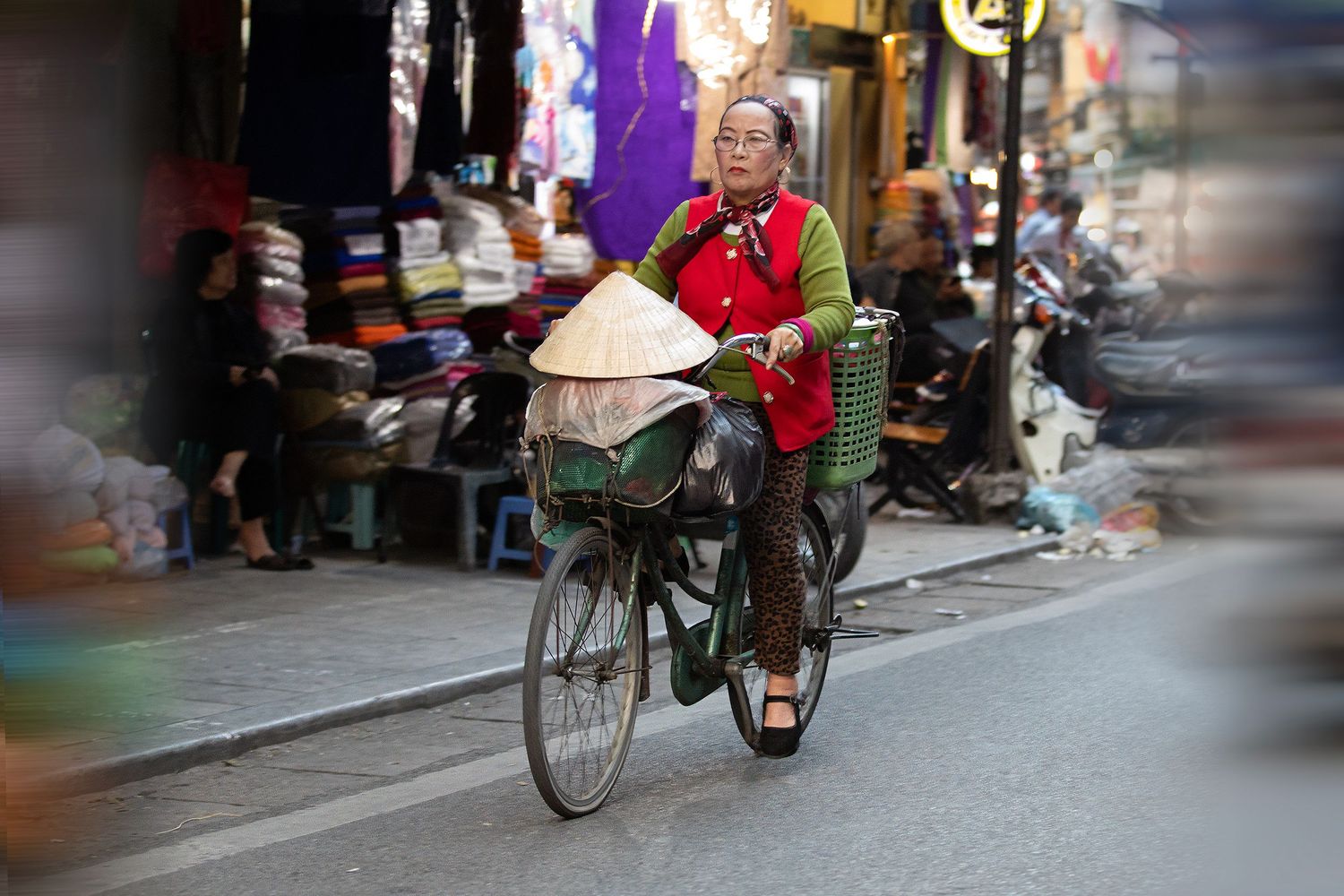
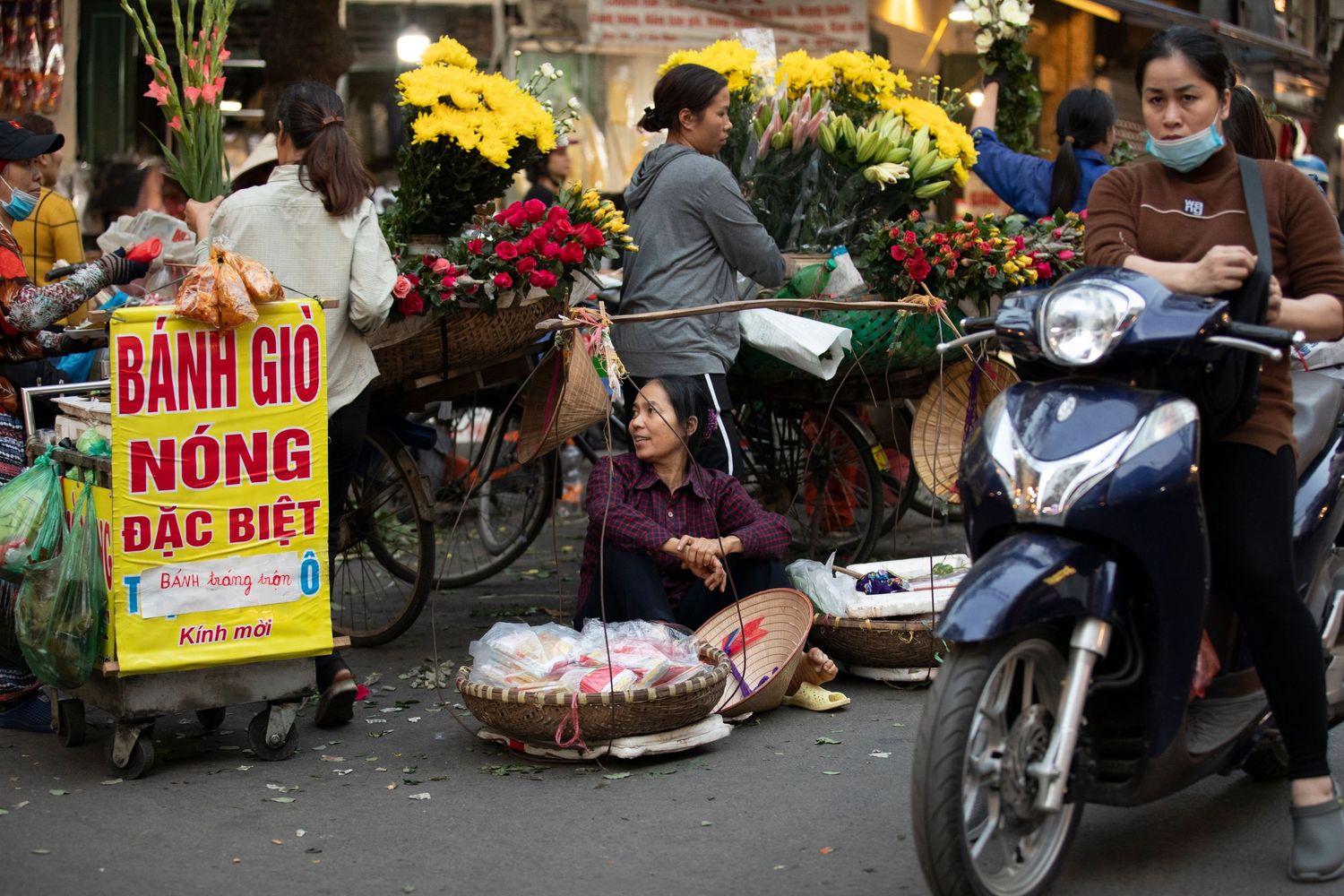
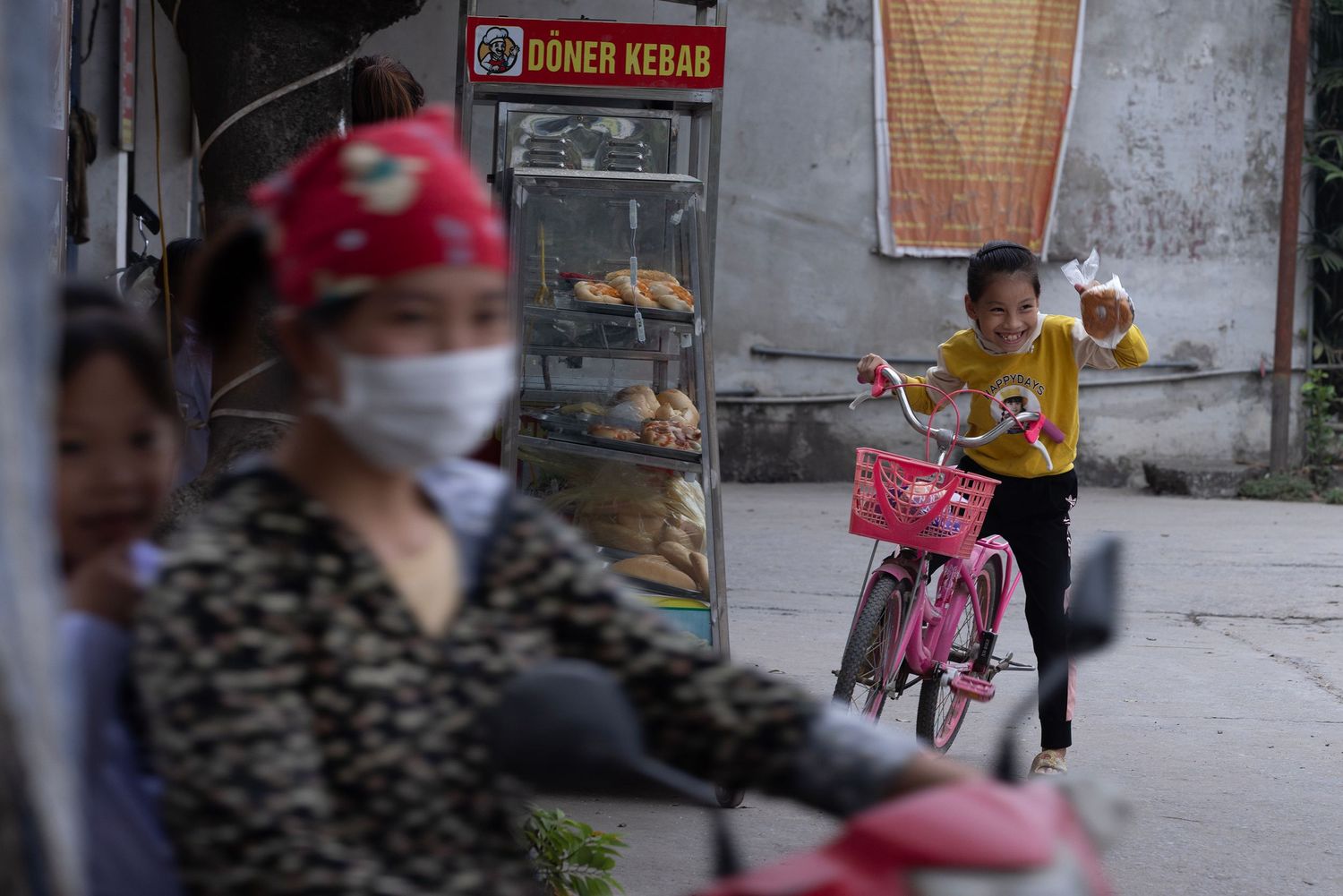
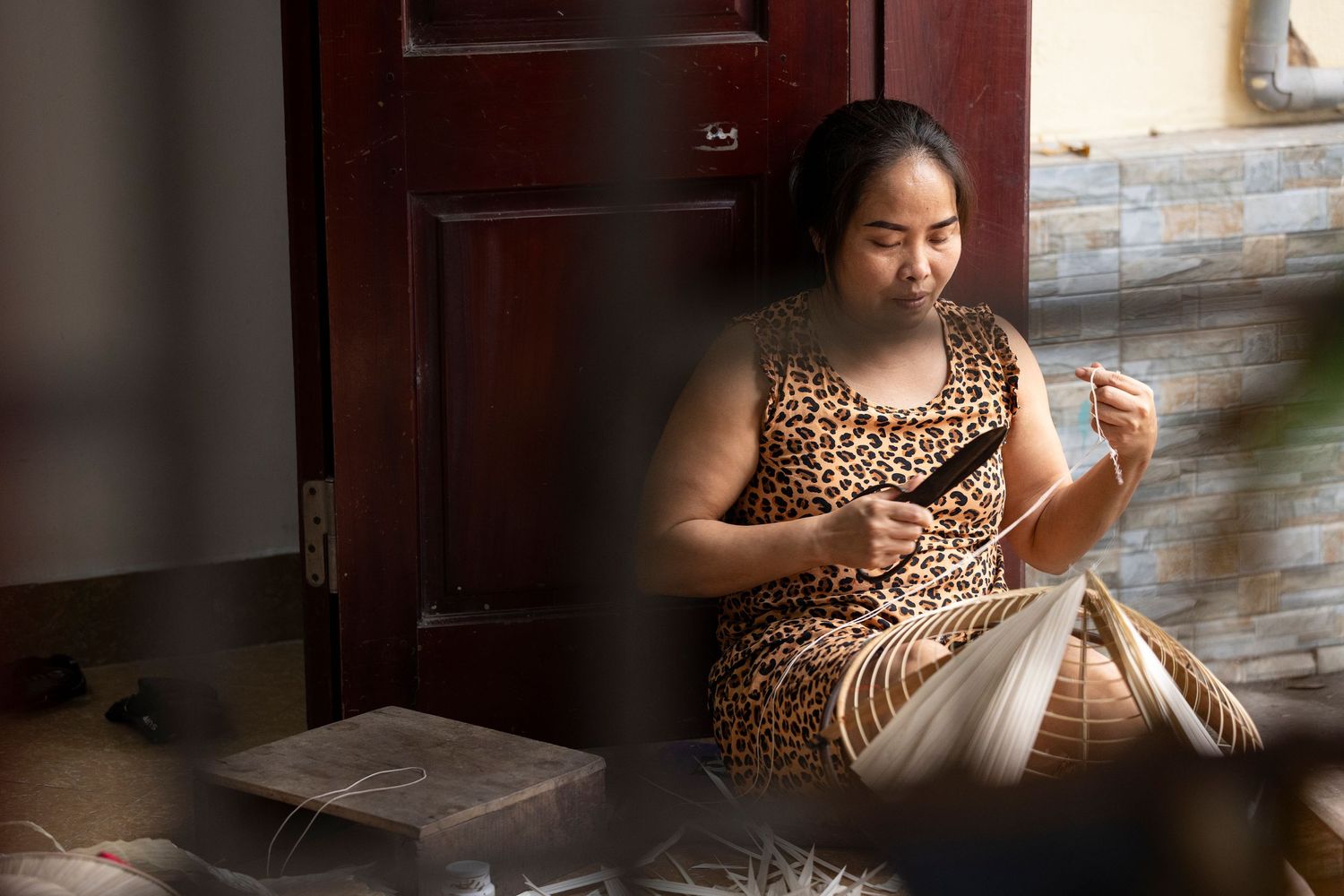
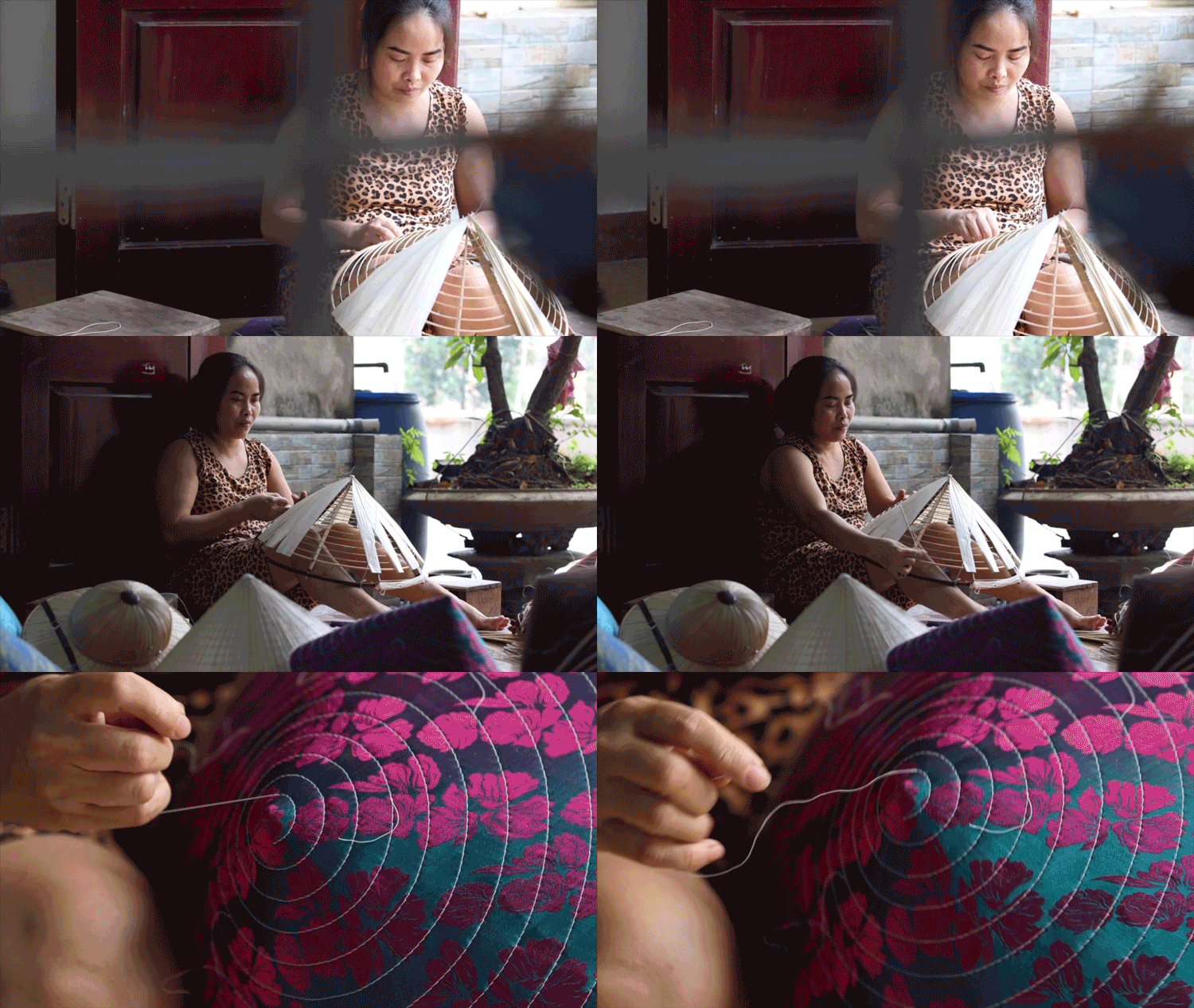
After returning to Hanoi from the stillness of Sapa, I expected the quiet to disappear beneath the city’s noise. Instead, I found a familiar throughline in the contrast. The Red Dao women of the mountains and the women of Hanoi, though worlds apart in dress and setting, carried the same quiet strength. All nurturers. All women building lives and businesses of their own, weaving work into the rhythm of home. On the roads, mopeds hummed beneath them as they carried their goods home to sell. The difference was only in the landscape—and perhaps the heels. Still nurturers by nature, just dressed for the city.