
SANTA SEMANA
reframing symbols
Shot on FujifilmXv100i
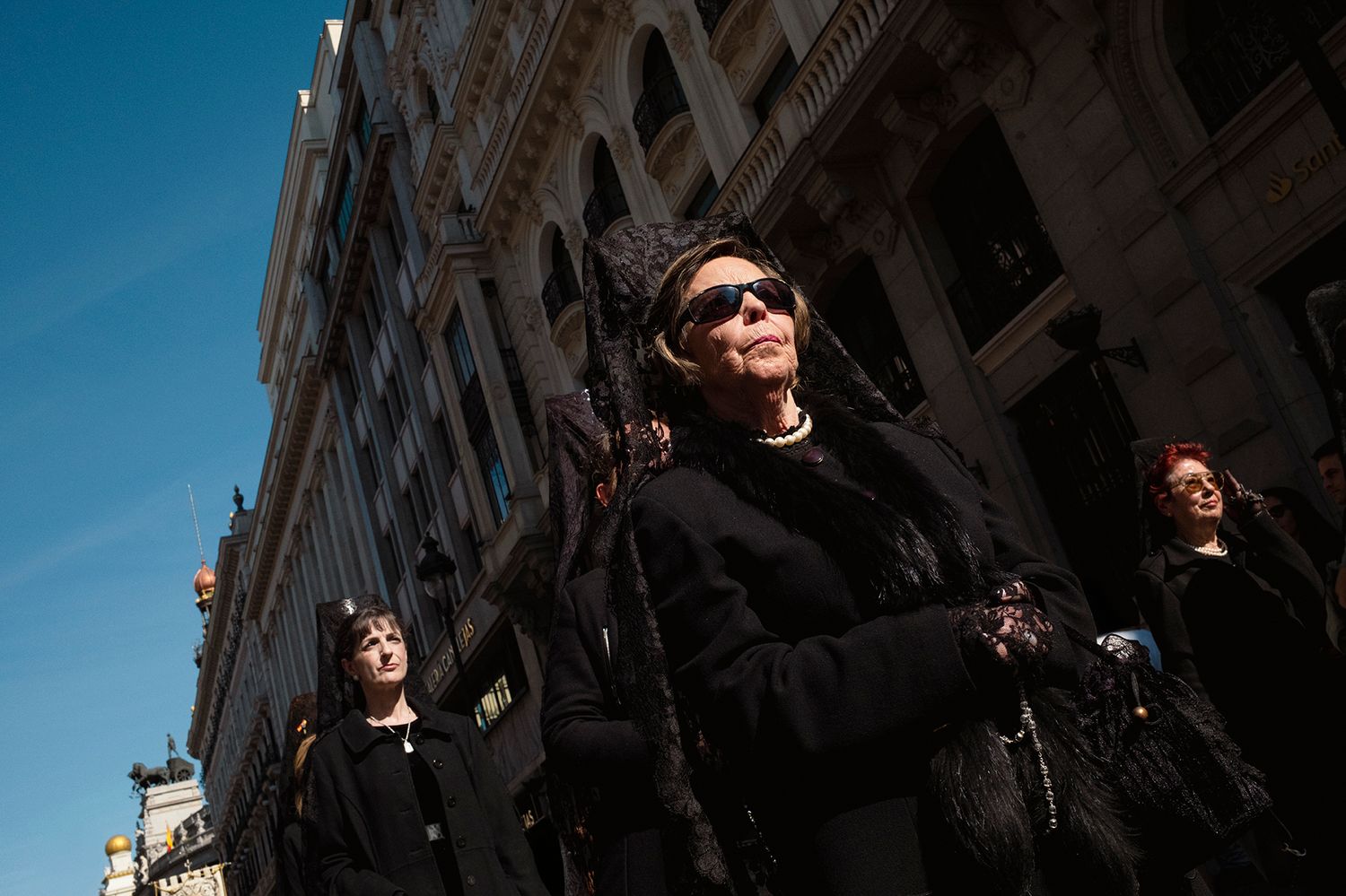
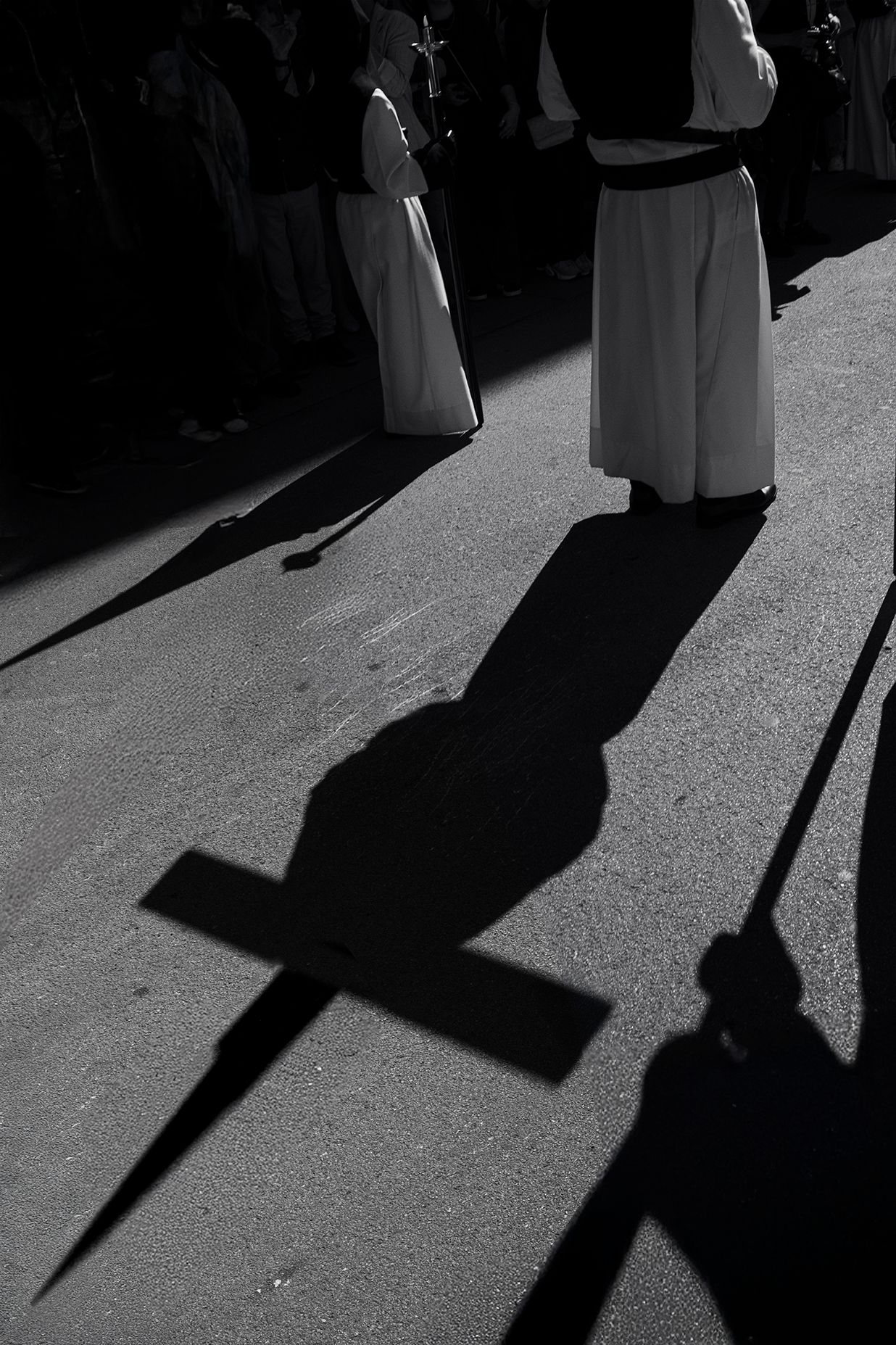
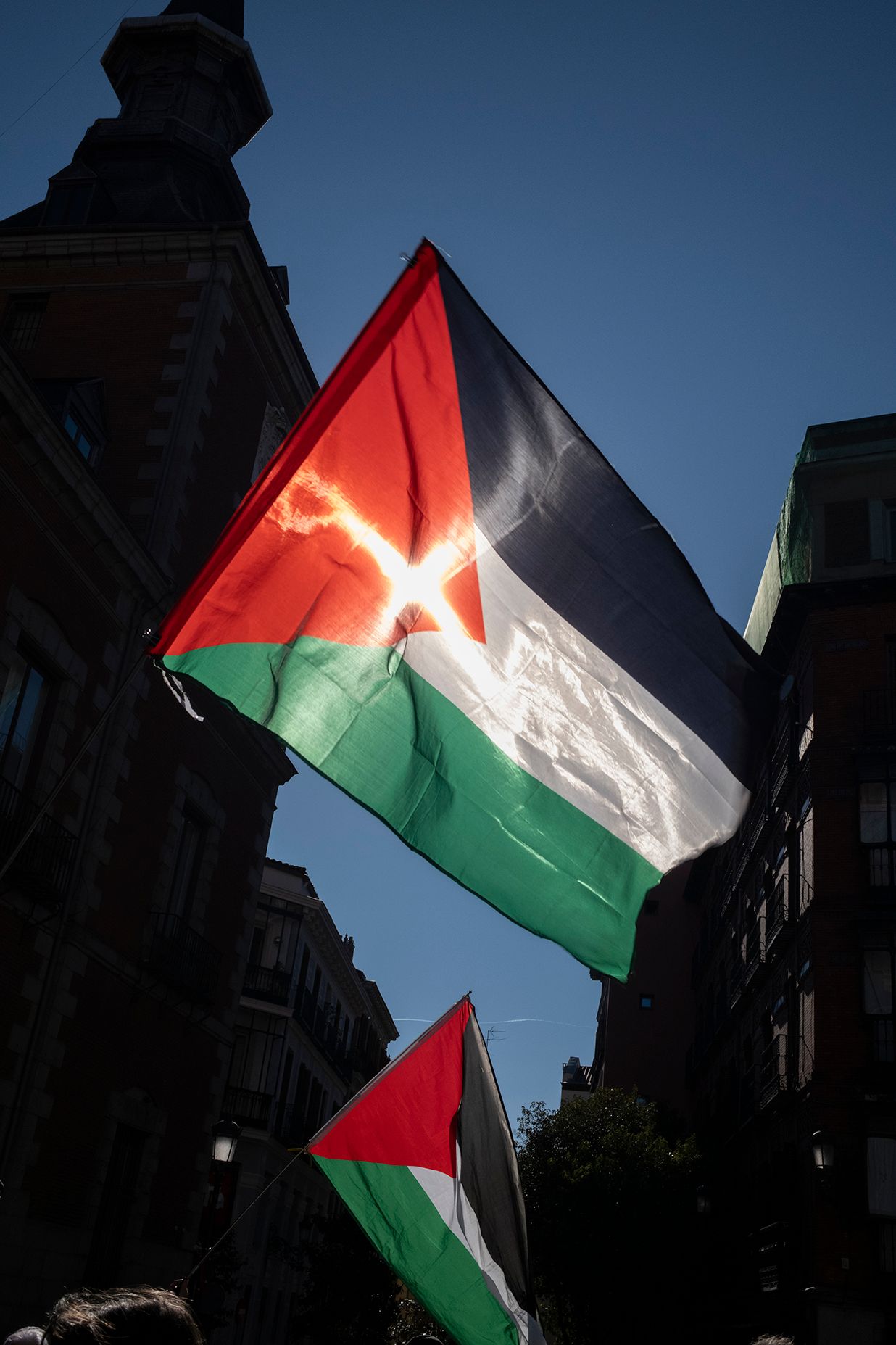
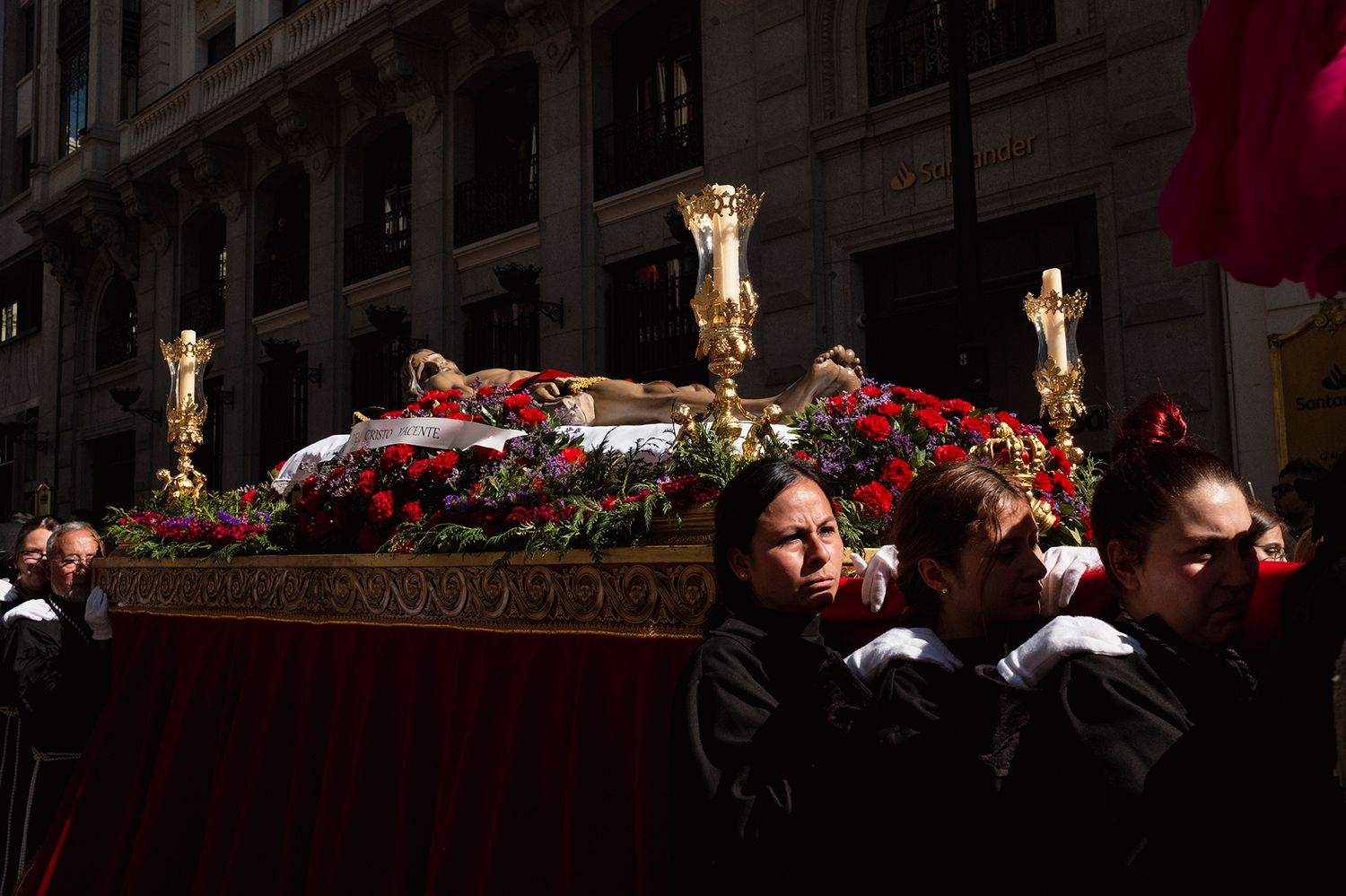
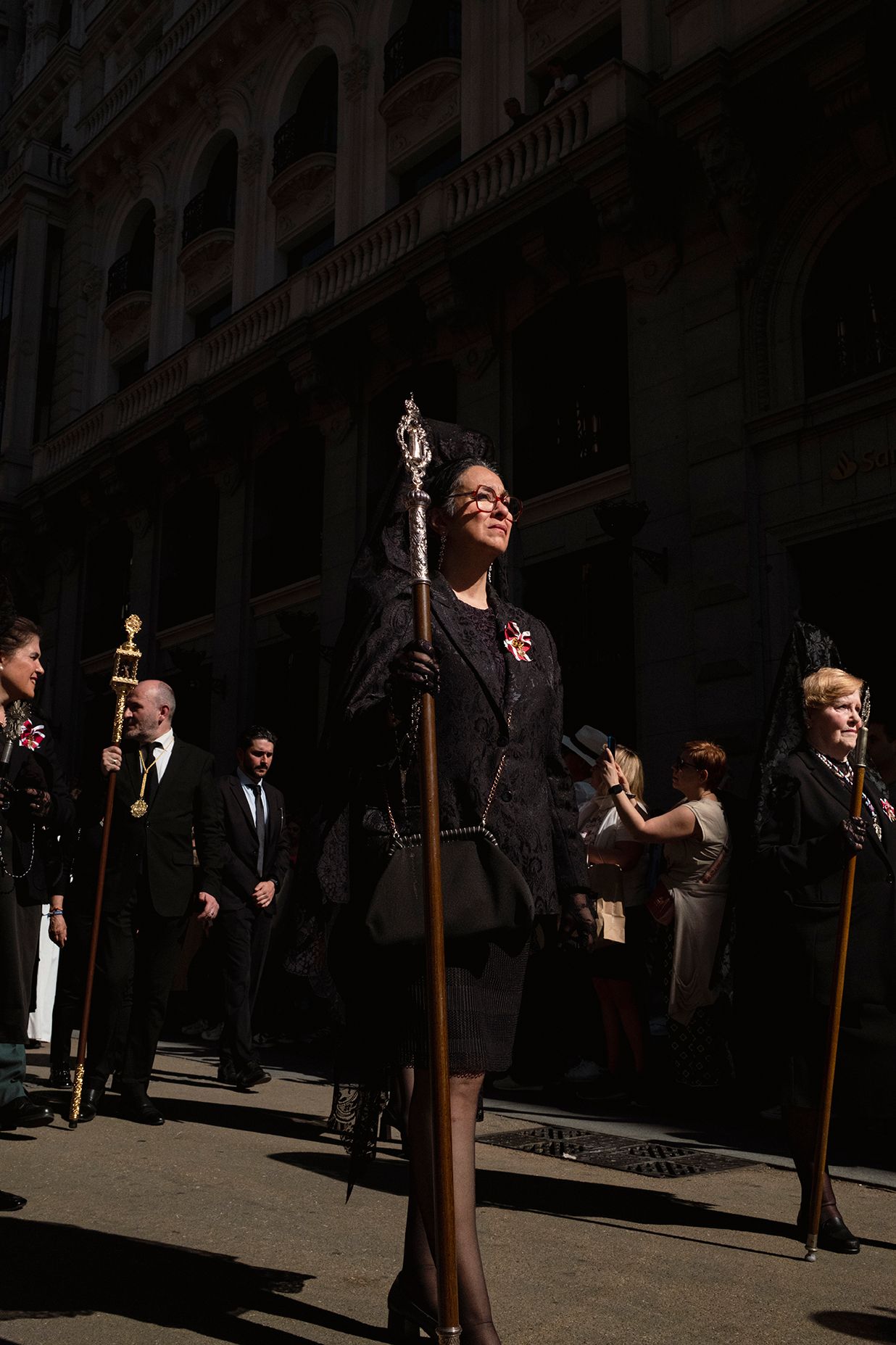
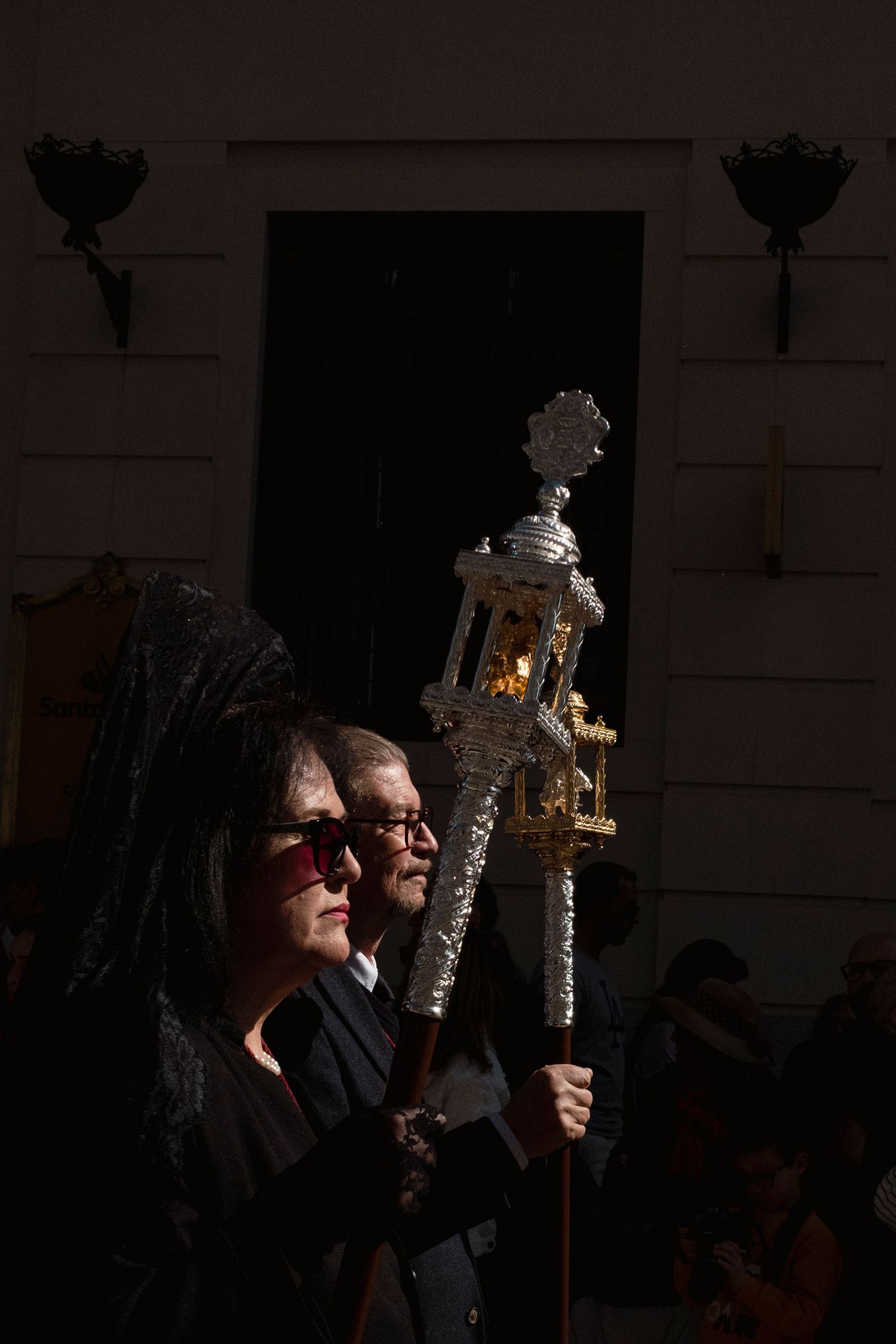
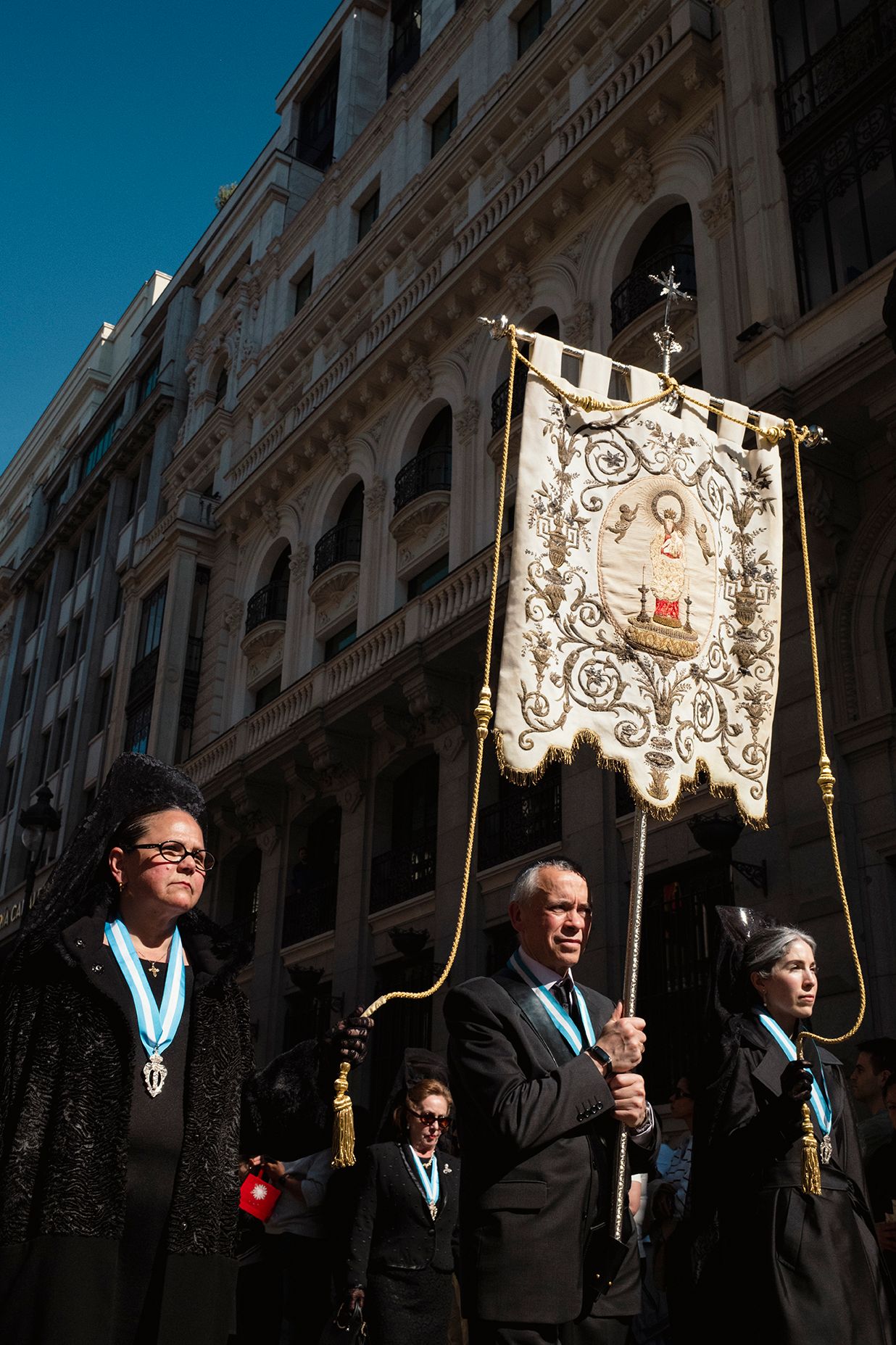
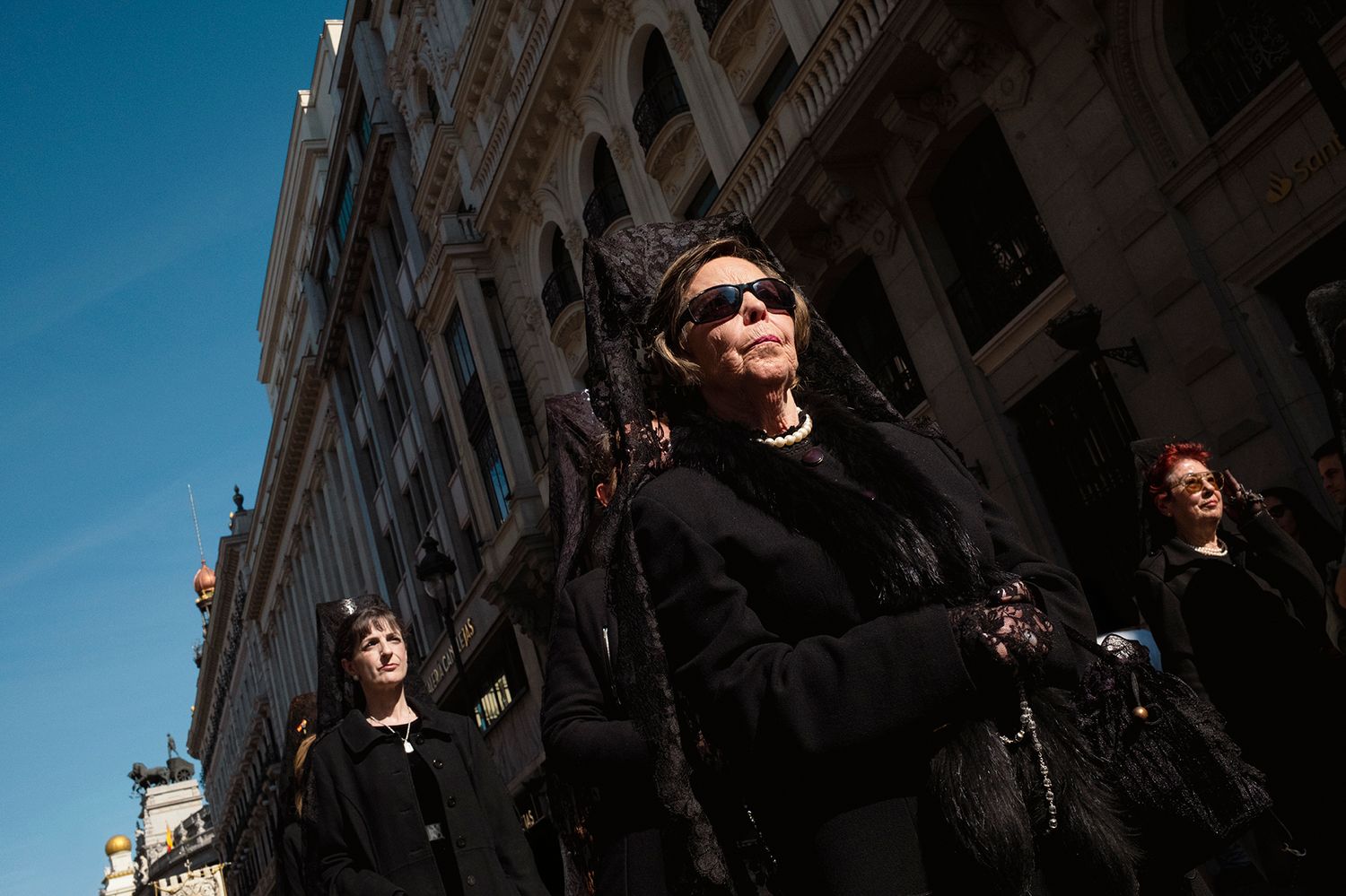
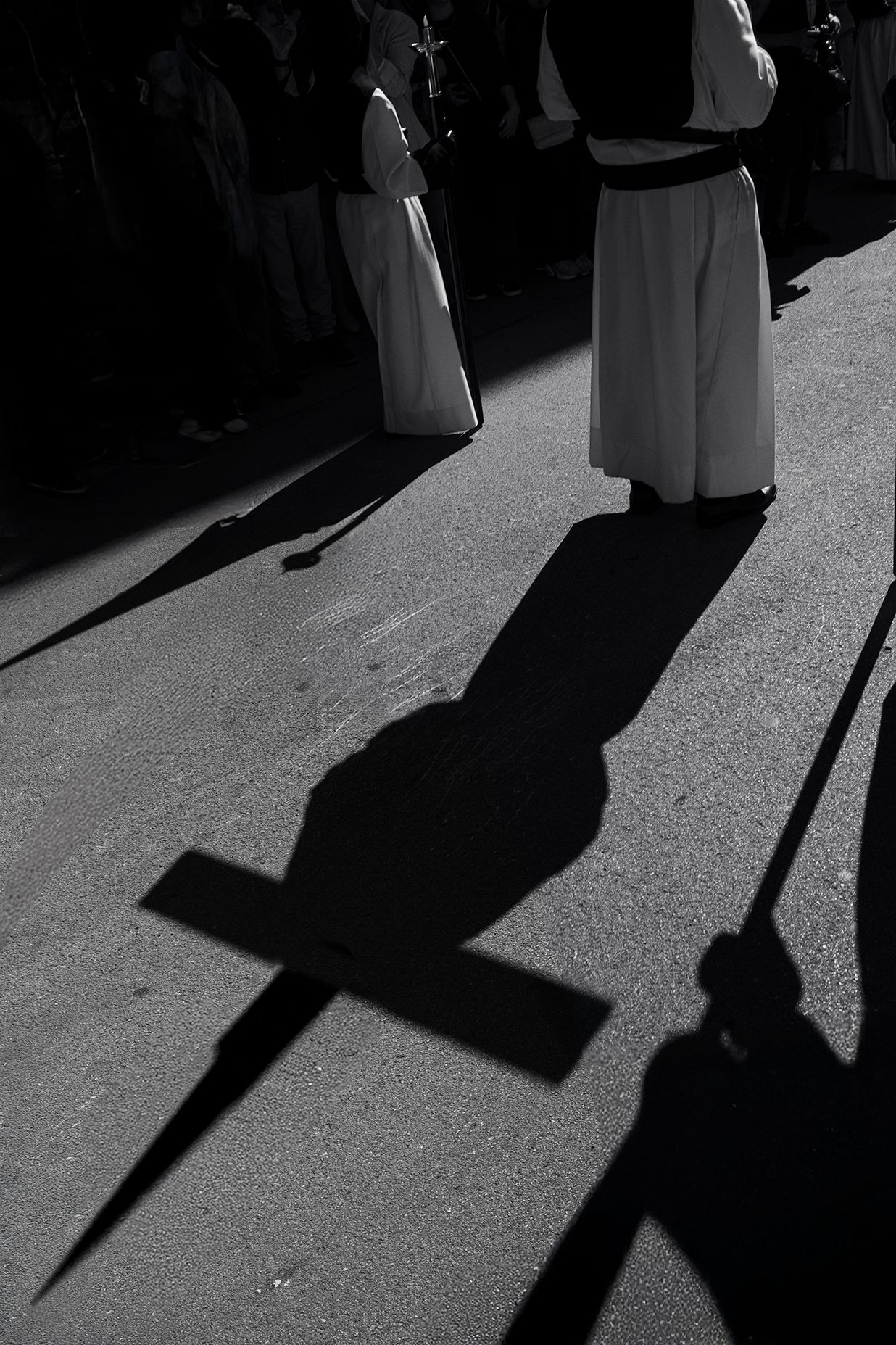
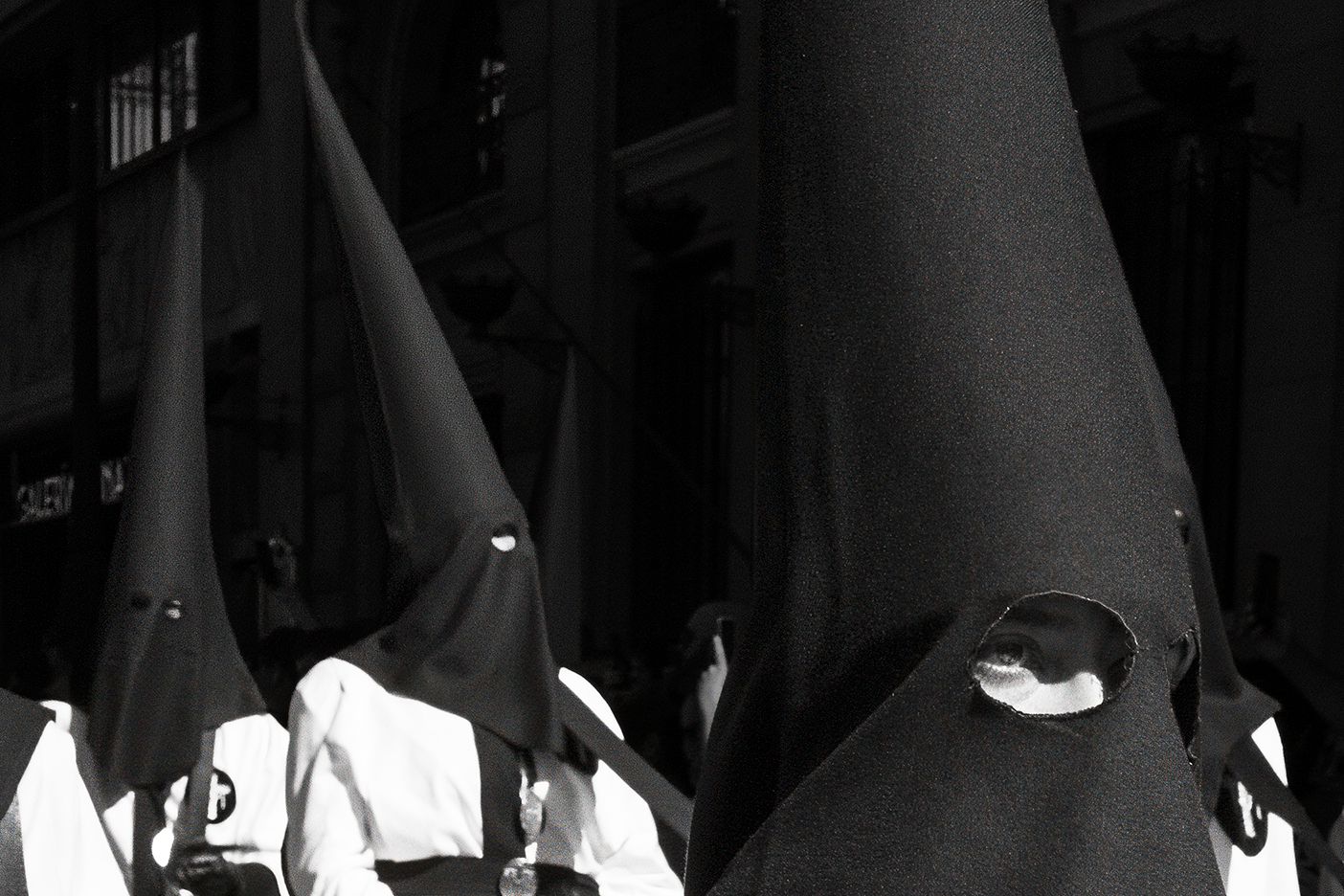
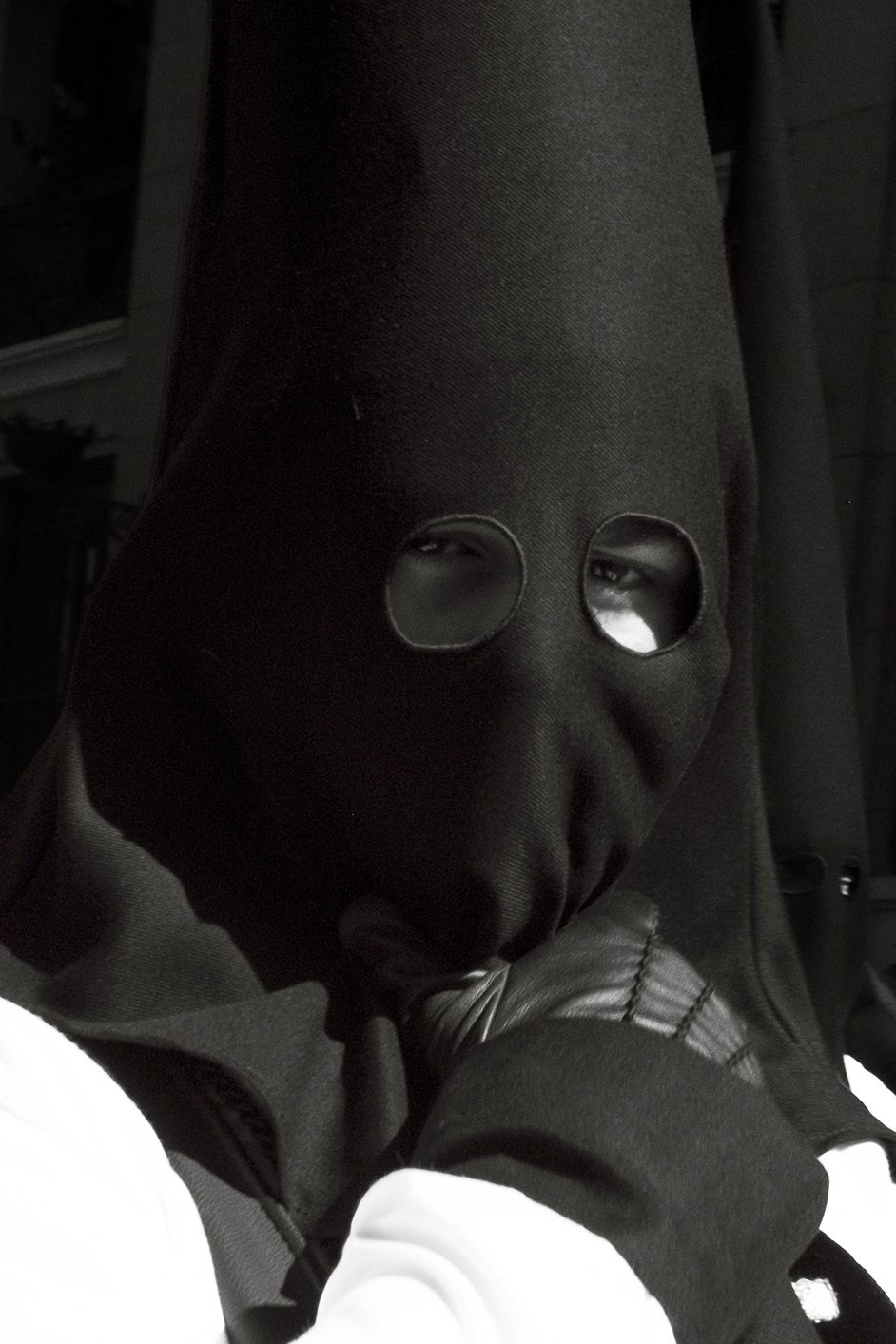
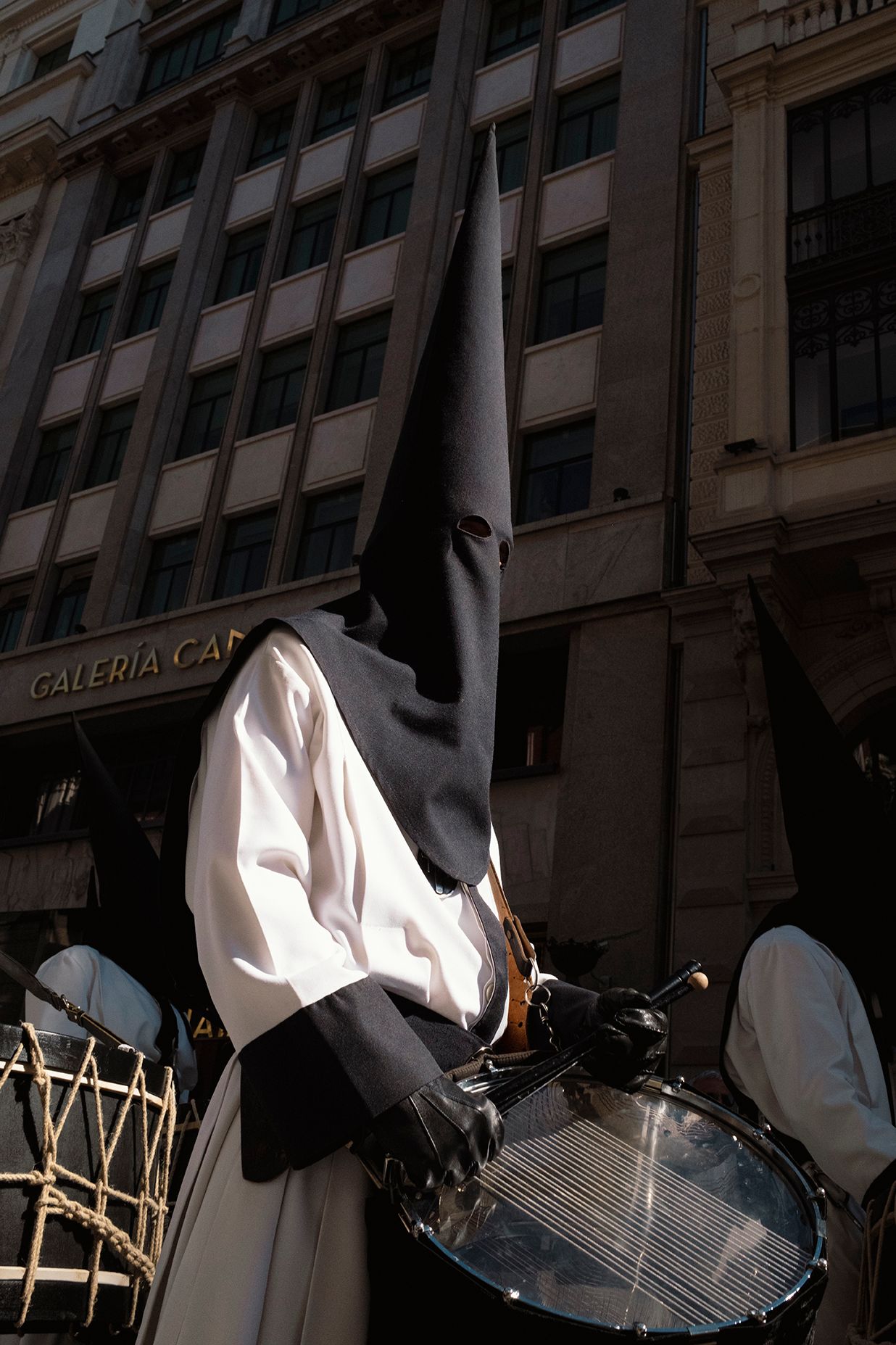
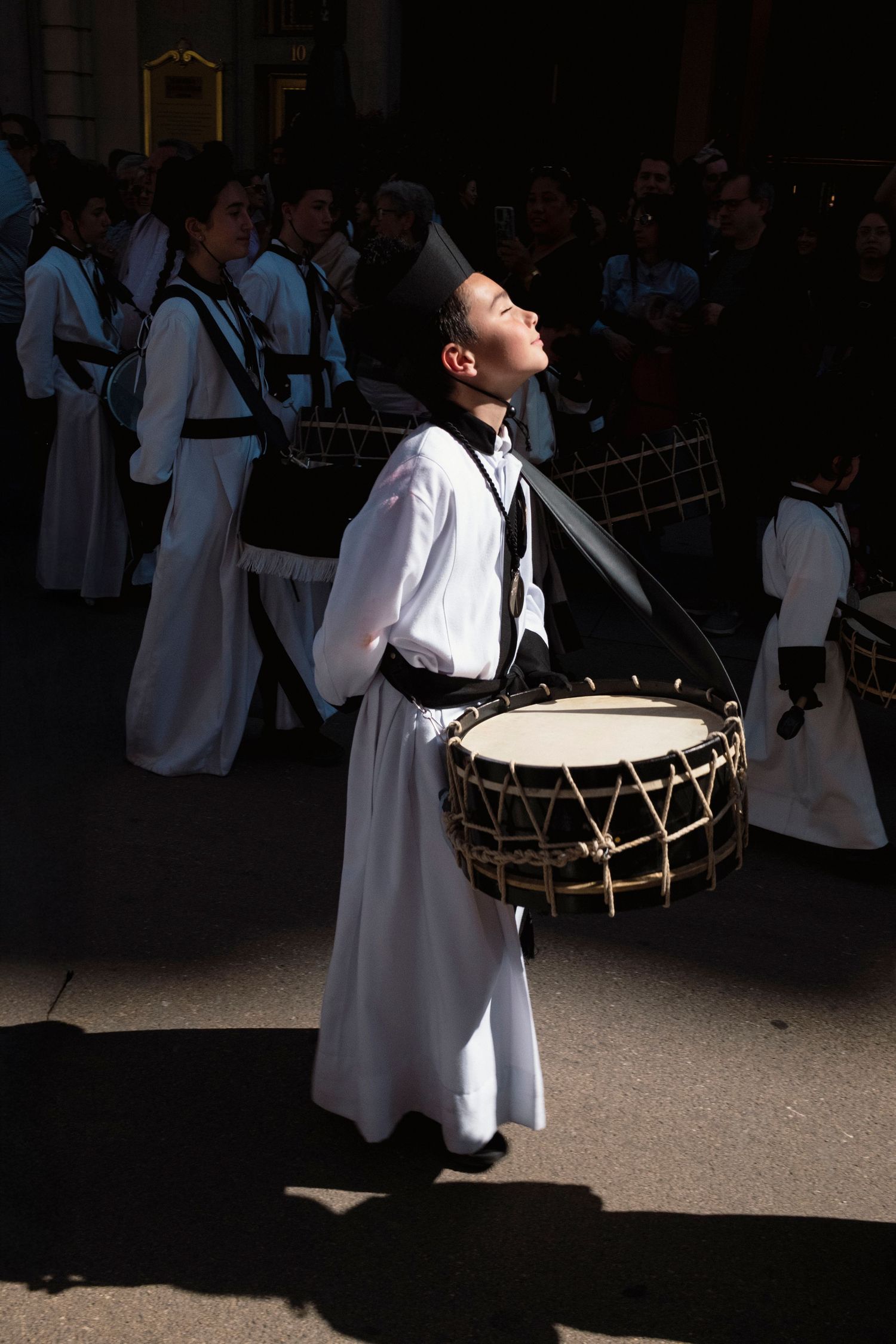
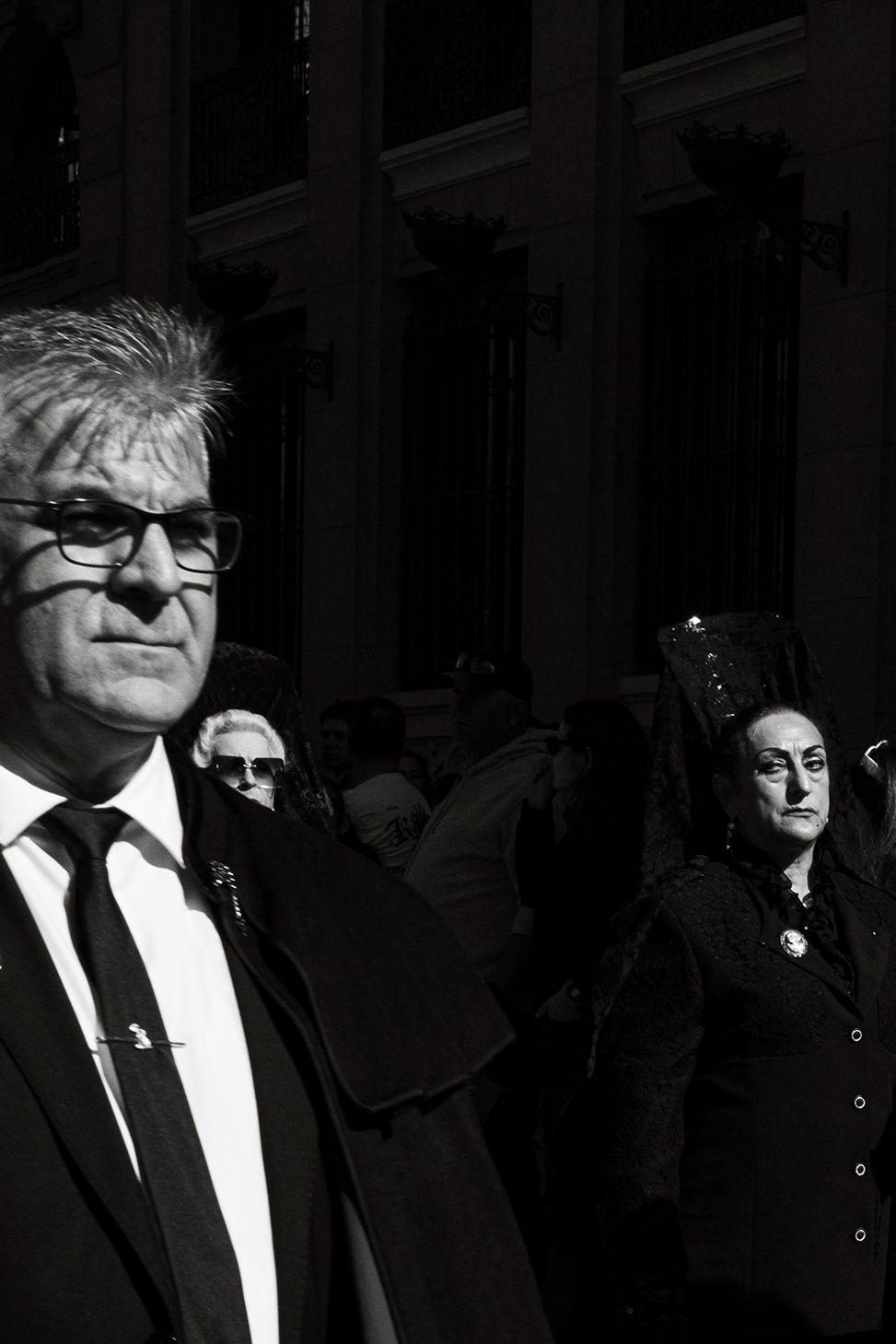
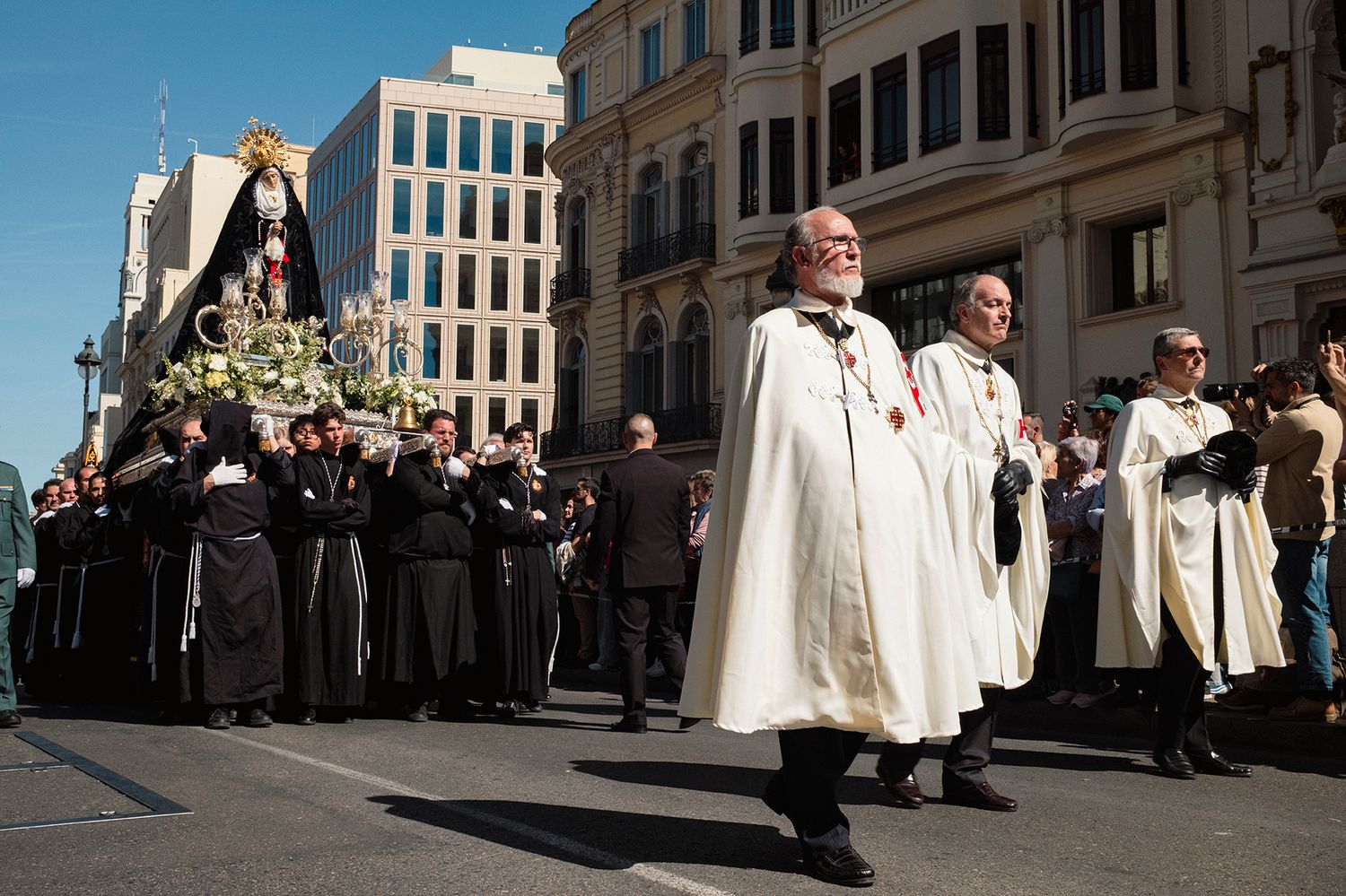
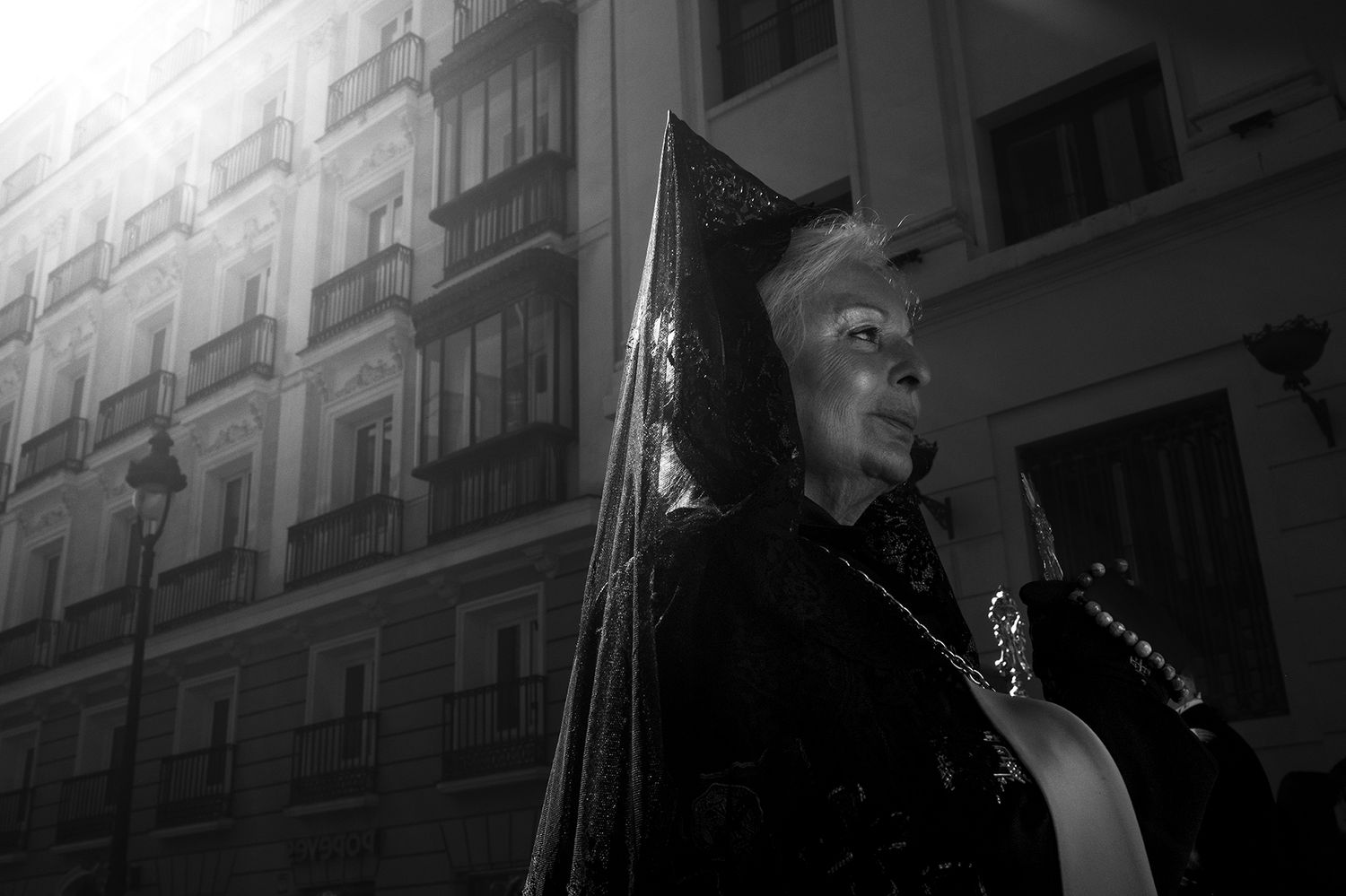
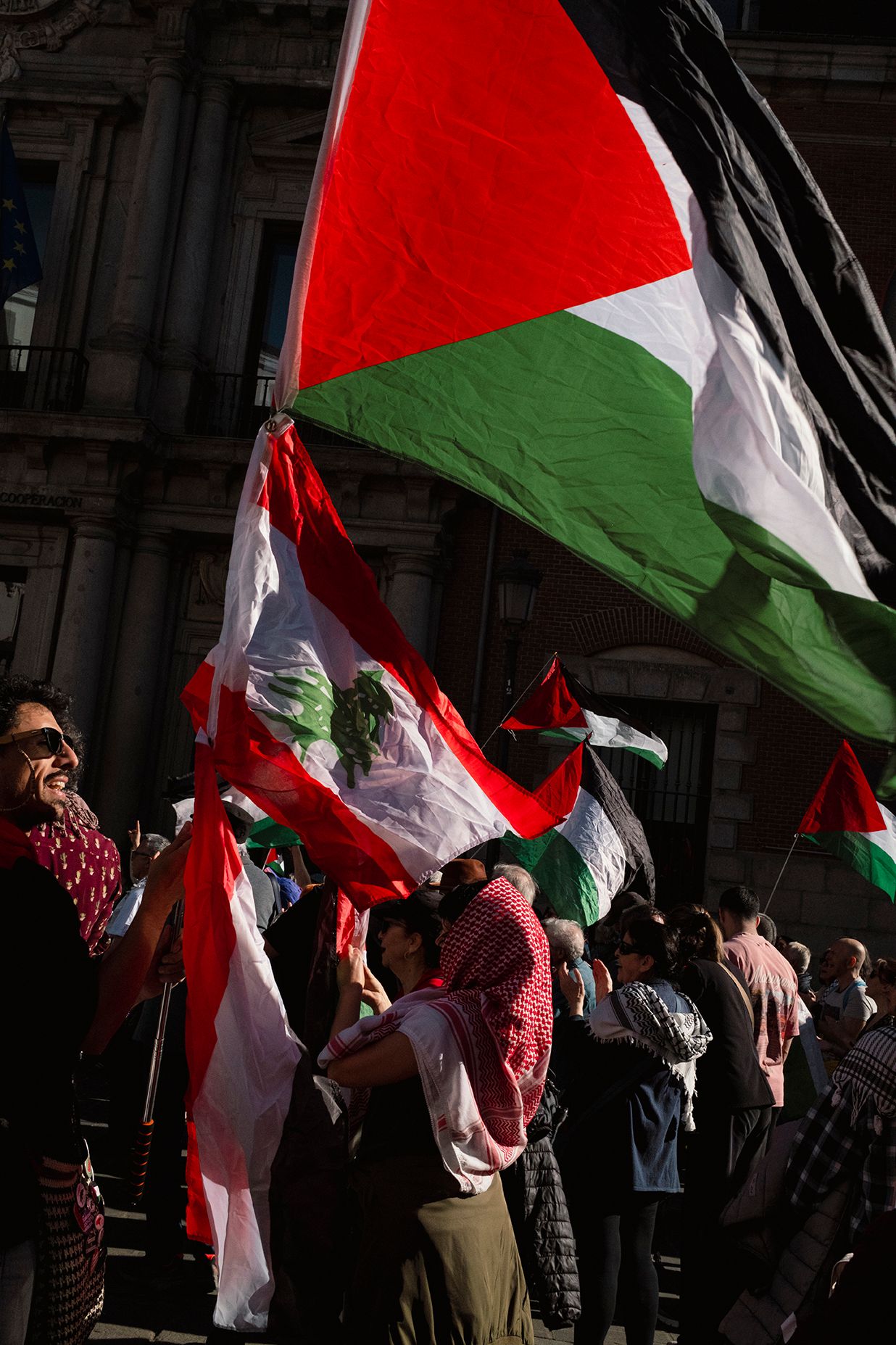
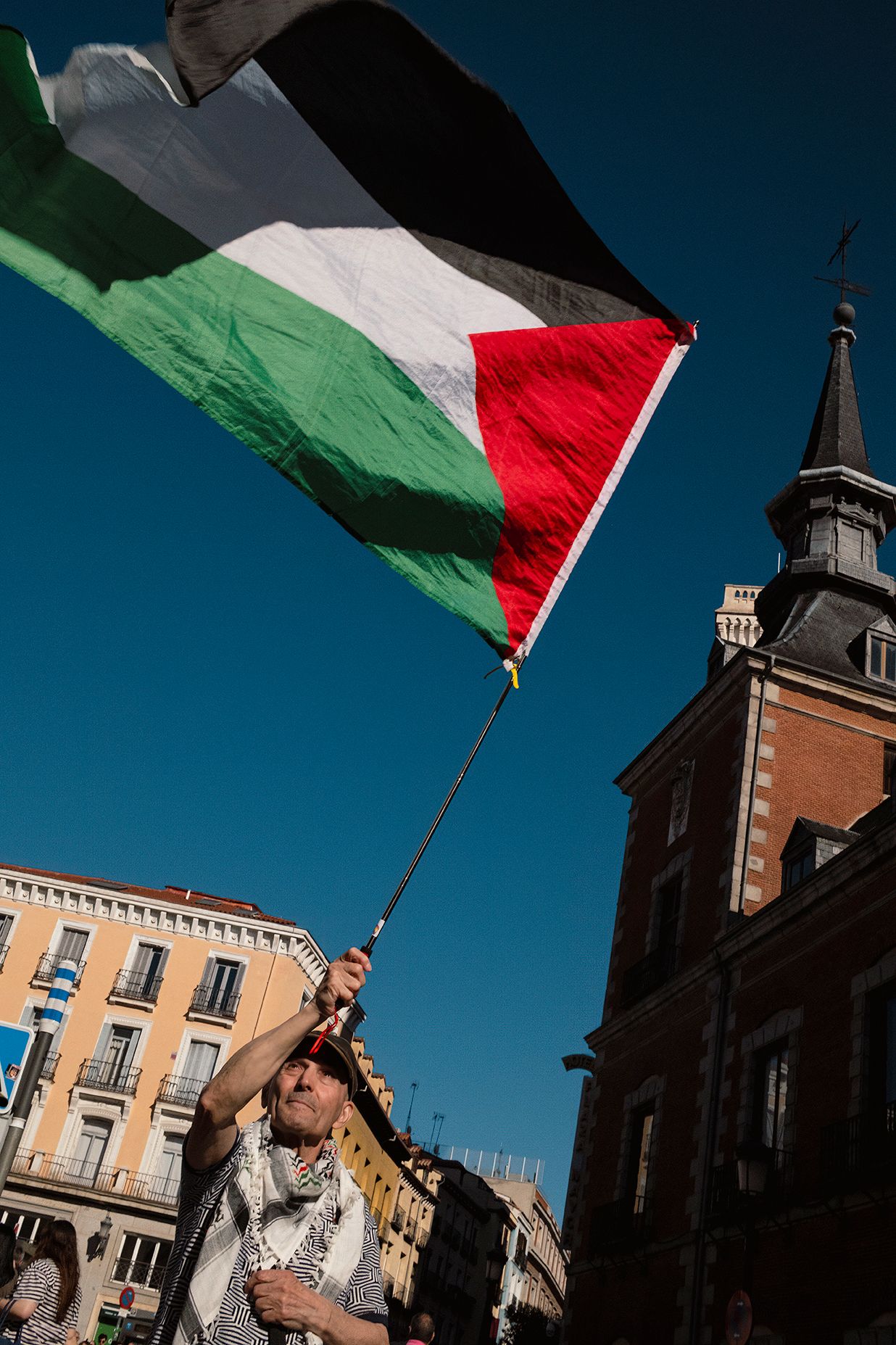
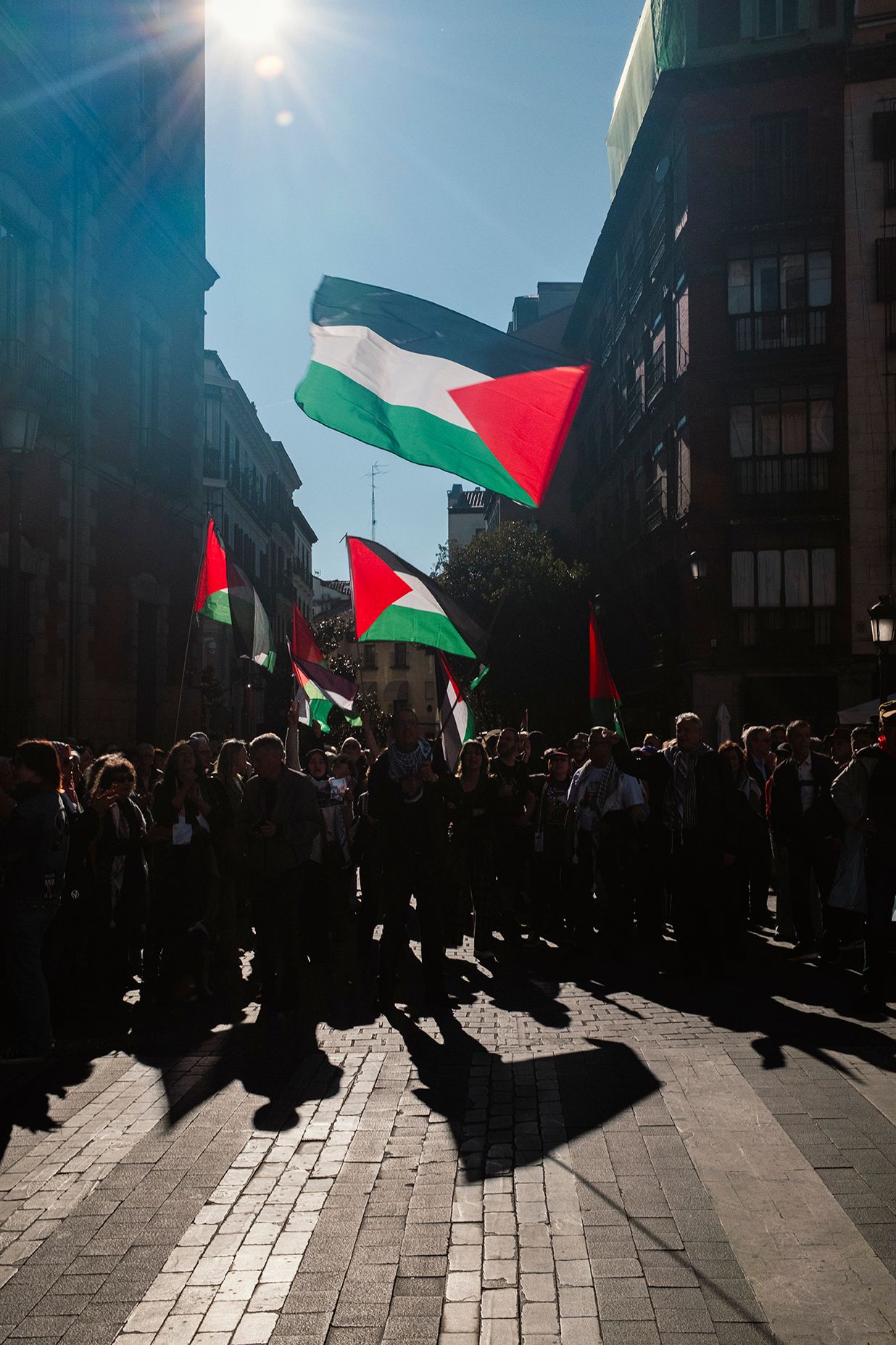
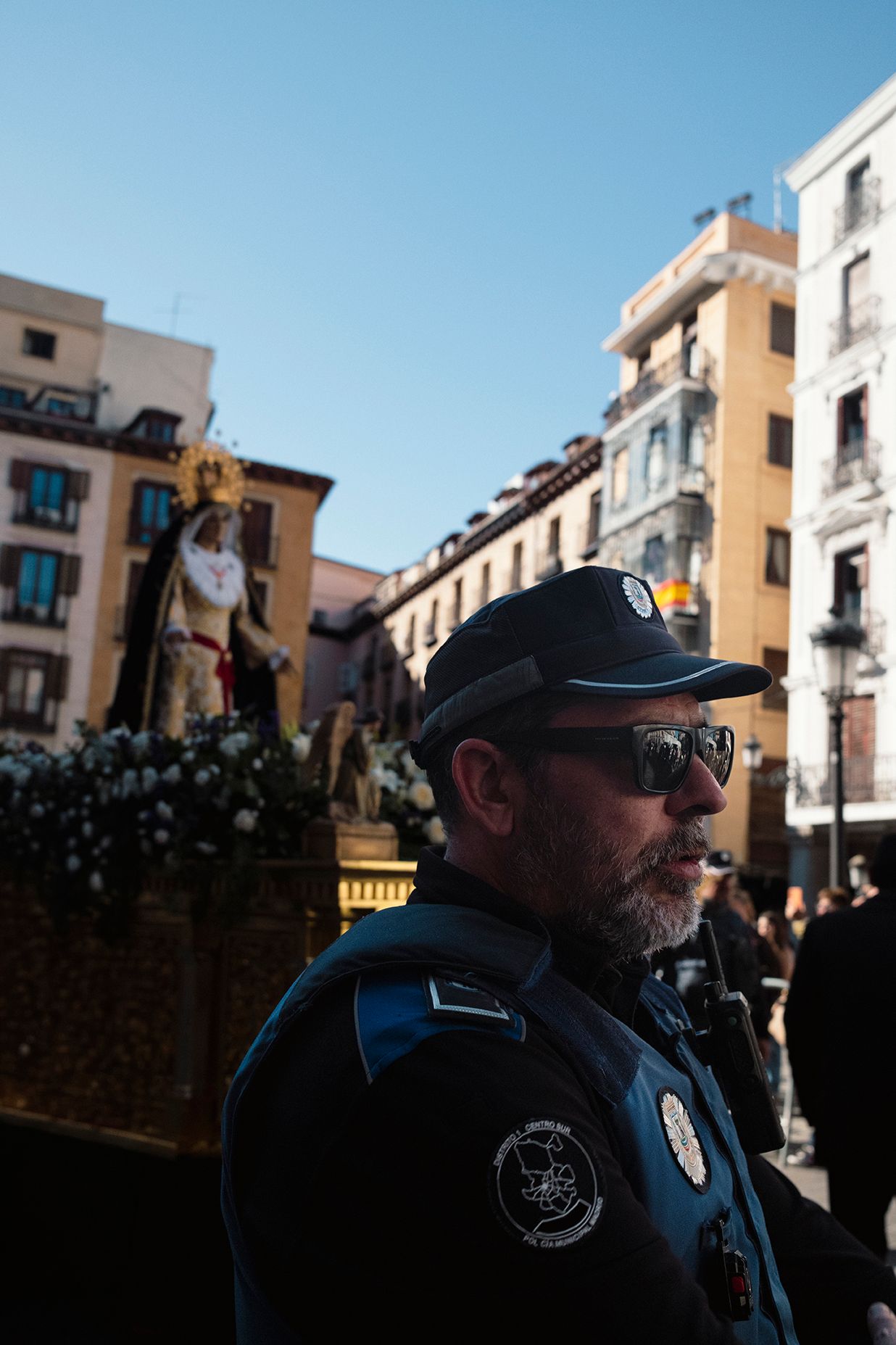
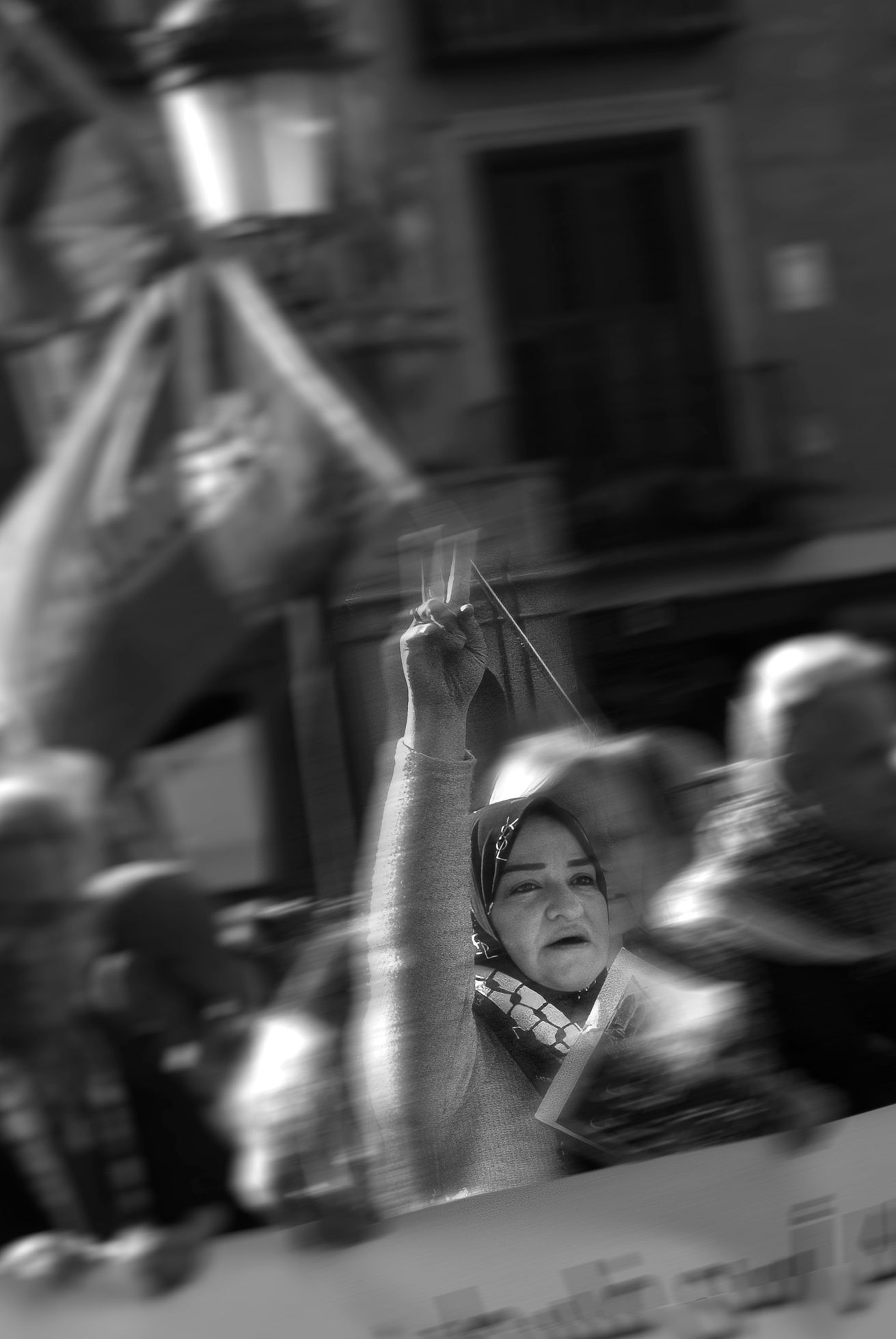
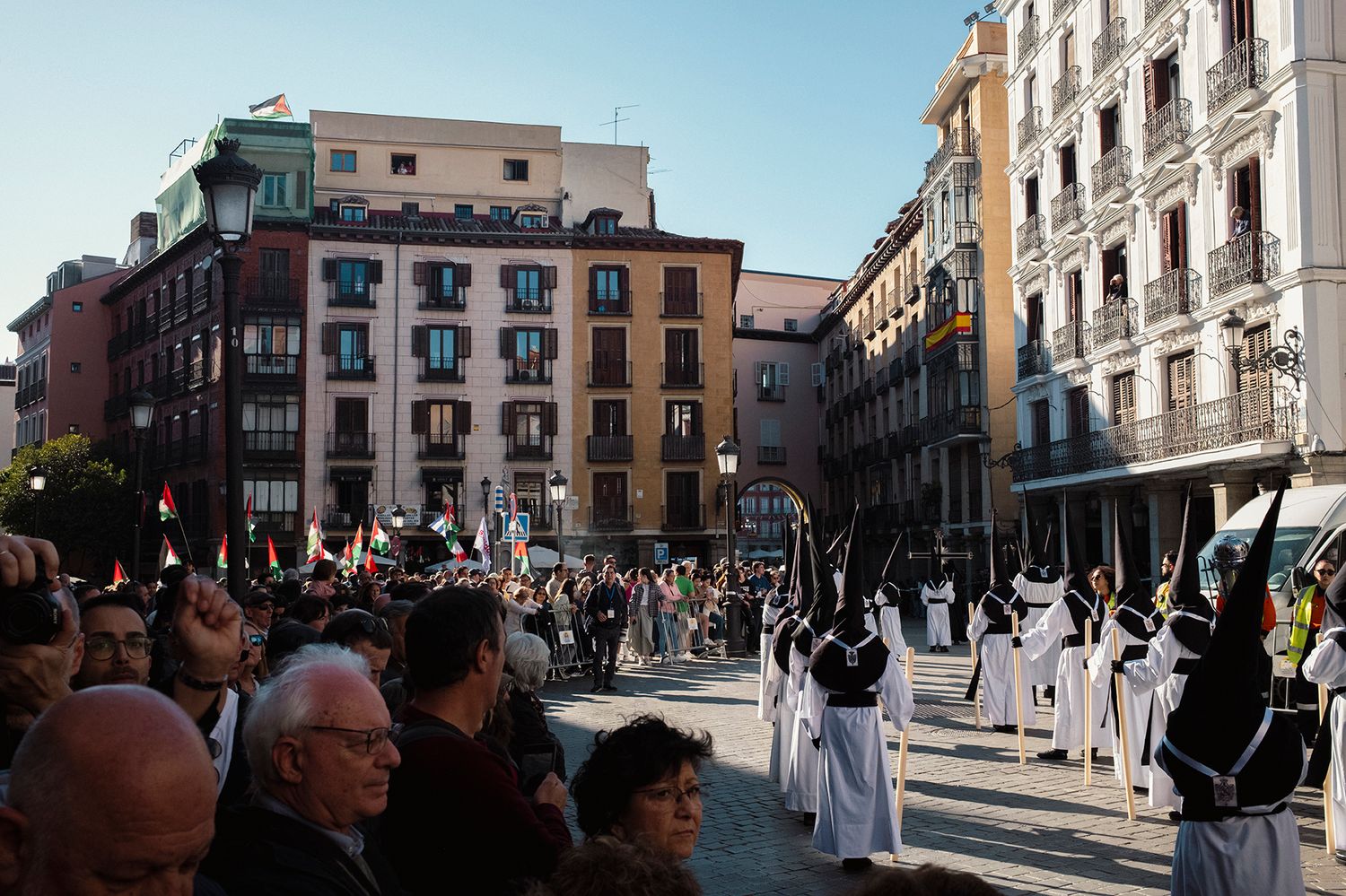
This past Holy Week, during Semana Santa in Spain, I watched processions of men, women, and children moving silently through the streets beneath the steady pulse of drums, their faces hidden beneath capirotes. As an American, the sight was deeply unsettling. Too close to the symbols of white supremacy. It was odd to see so many people - and people of color - celebrating them. I later learned that the pointed hoods symbolize humility before God, long predating their appropriation by white Christian nationalists.. The dissonance only deepened as a Palestinian protest charged onto the stage directly across from penitents posed in solemn grief for cameras, only to smile and laugh the moment the shutters stopped clicking.
It’s hard to untangle a deep-seated symbol’s meaning from your brain, and more difficult to make room for another interpretation. I know this tradition is not about what the symbol represents in the U.S., but I can’t entirely erase the meaning I’ve always known, nor do I think that it should. I understand the world doesn't revolve around my perspective.
The door
to truth
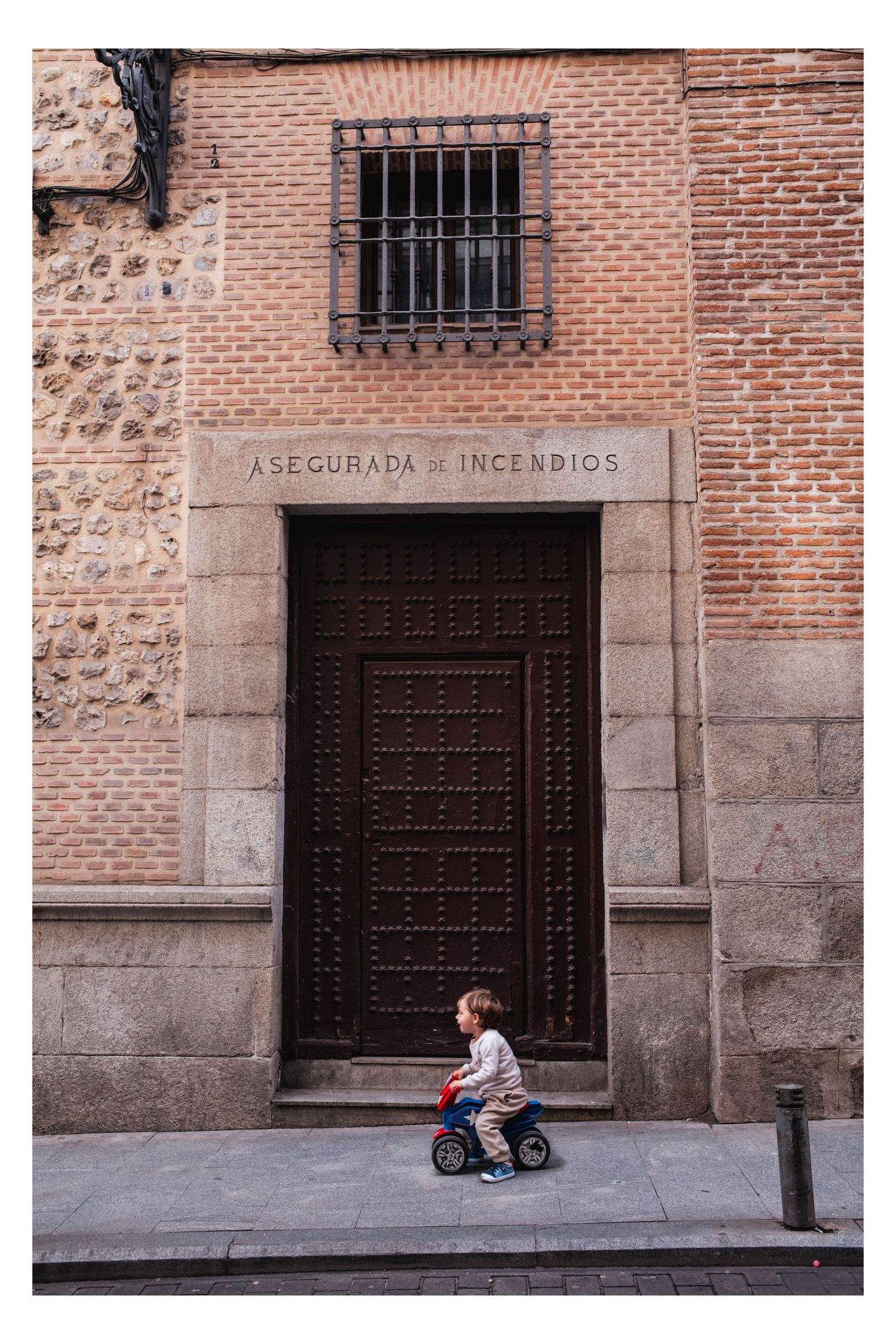
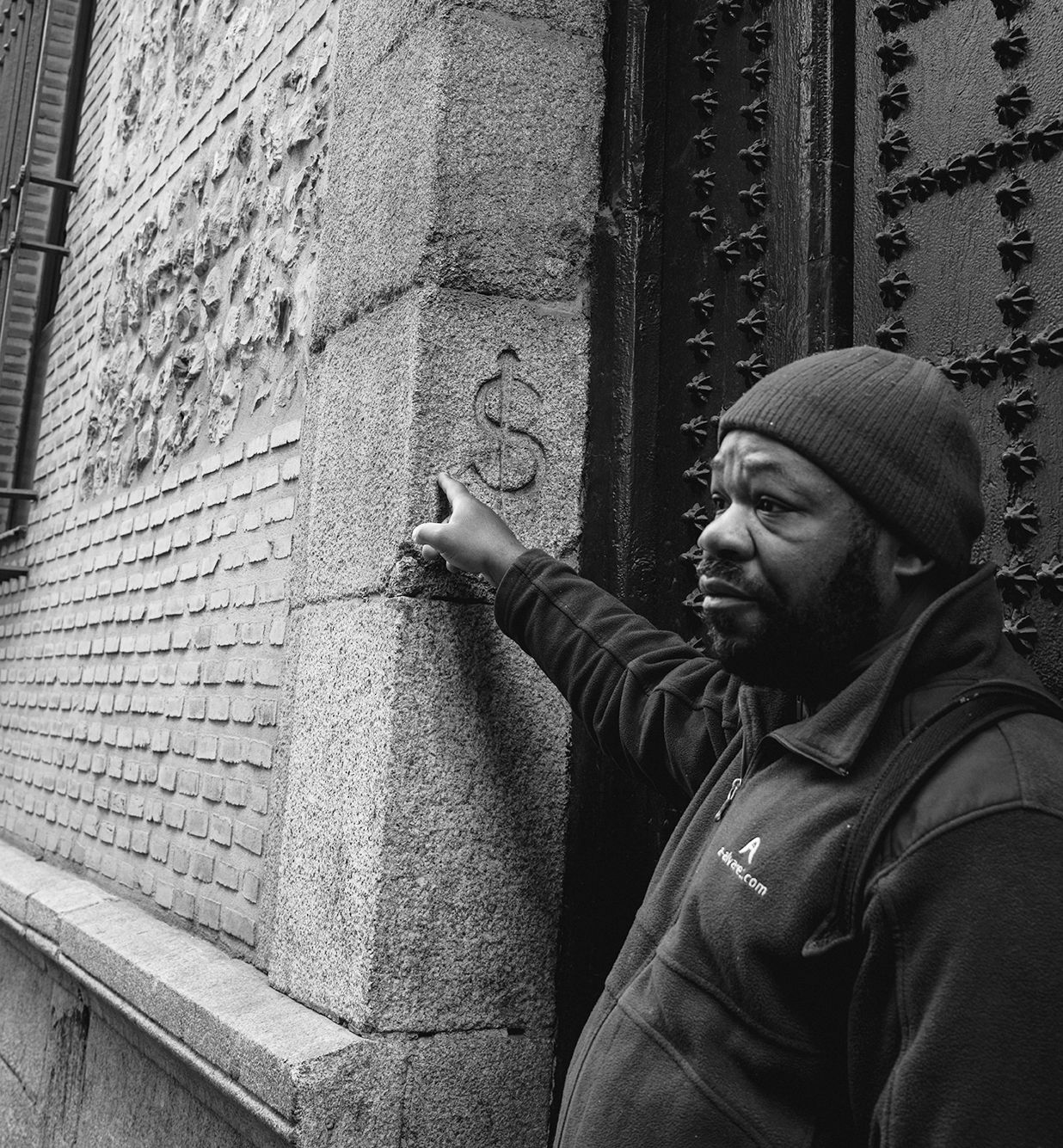
This is San Ginés Church on Calle Arenal. After Mass, the community gathers nearby to eat the famed churros and chocolate. But the side of the church holds something far less sweet.
On either side of the door is the letter “S,” pierced by a nail. In Spanish, the letter “S” is ese, and a nail is clavo. Put them together—esclavo—and they form the word for “slave.” This was a door designated for enslaved people to enter. What I thought would be a morning walk through Madrid became a journey across centuries.
On the Roots and Resistance tour, Kwame spoke of the ghosts of the past—the African diaspora threaded into the everyday streets of Madrid, hiding in plain sight within art, architecture, and film. Stories of sorrow lingered in the air, but so did defiance. Unyielding. Alive.
History connects us all, and it is up to us to seek the truth.